One of the important features professional chefs look for in a cutting board is the thickness of their boards. For wooden cutting boards, the thickness determines the stability, durability, and versatility of the board. A thicker board is more sturdy and easy to cut on, providing a stable surface without slipping and moving while cutting. This also prevents accidents in the kitchen.
Shop Wooden Chopping boards
Medium Premium Single Block Tamarind Wood Chopping Board 10×16×1.5 Inch – PuliMutti Collection
Original price was: ₹2,479.00.₹1,499.00Current price is: ₹1,499.00.Amra Farms Single Block Teak Wood Butcher Block 10x16x2 Inch: Meat Cutting Wooden Board
Original price was: ₹4,299.00.₹3,499.00Current price is: ₹3,499.00.Large Spalted Tamarind Wood Cutting Board 11×18×1 Inch – Wooden Chopping Board
Original price was: ₹2,479.00.₹1,249.00Current price is: ₹1,249.00.Single Block Tamarind Wood Cutting Board 14×8×1.5 Inch – Butcher Block
Original price was: ₹1,279.00.₹799.00Current price is: ₹799.00.
Extra Large Teak Wood Vegetable Cutting Board 18×24×2 Inch – Craft Series 2 inch Cutting board
₹8,999.00Medium Spalted Tamarind Wood Meat Cutting Board 10×16×1 Inch – Wooden Chopping Board
Original price was: ₹1,279.00.₹999.00Current price is: ₹999.00.
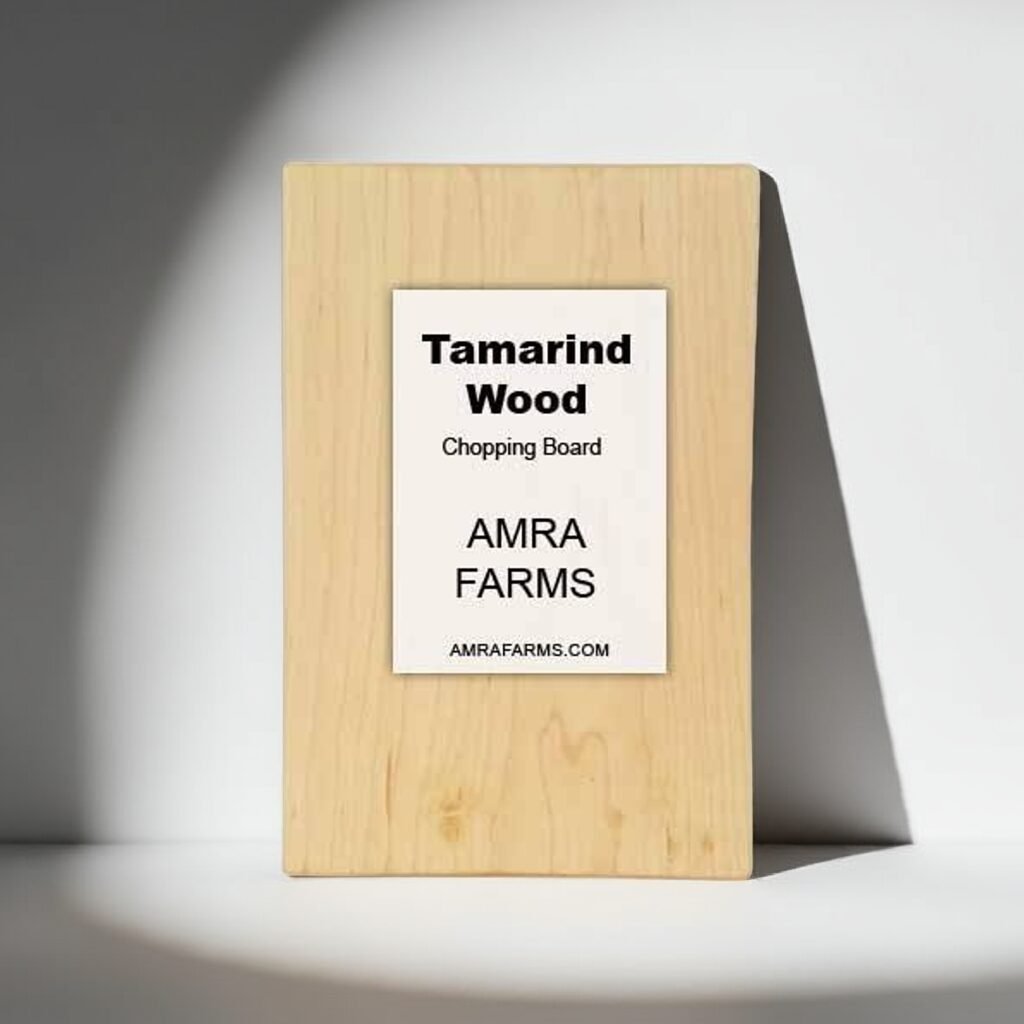

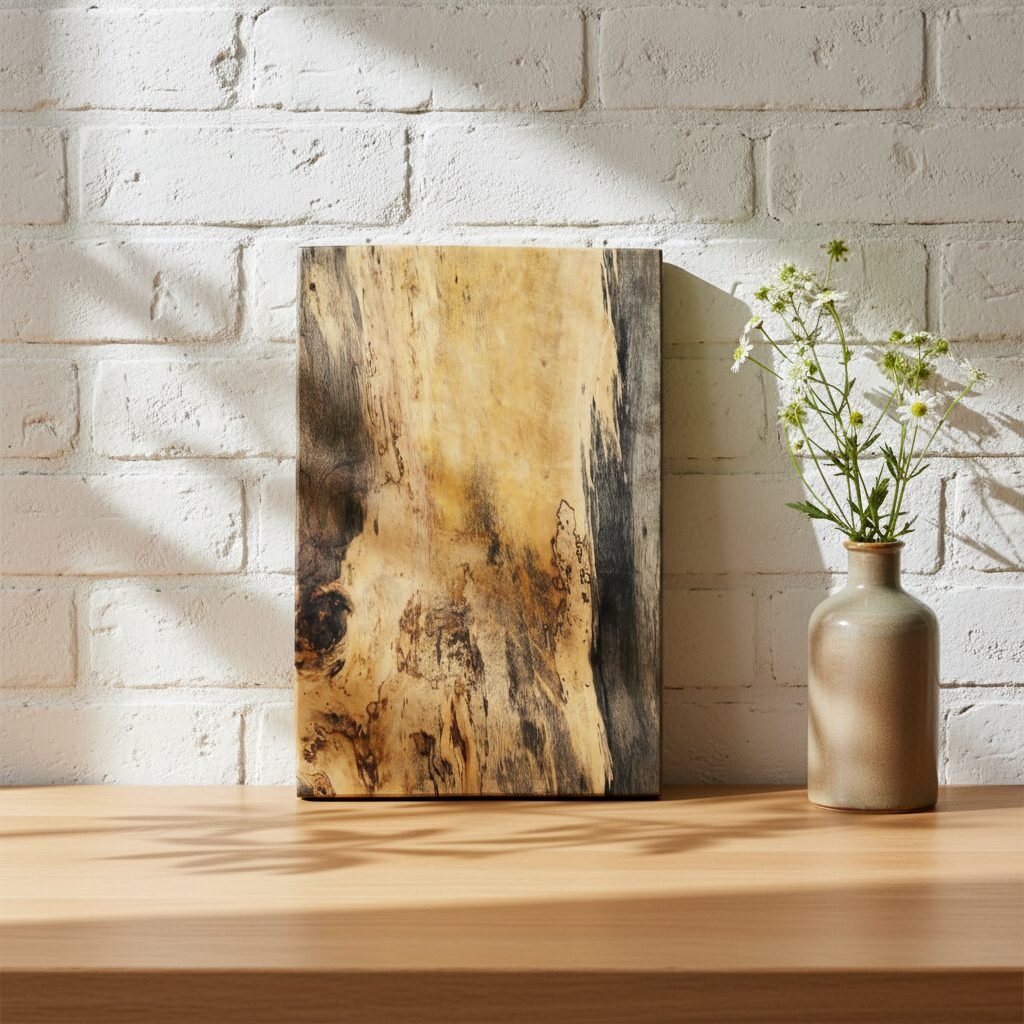
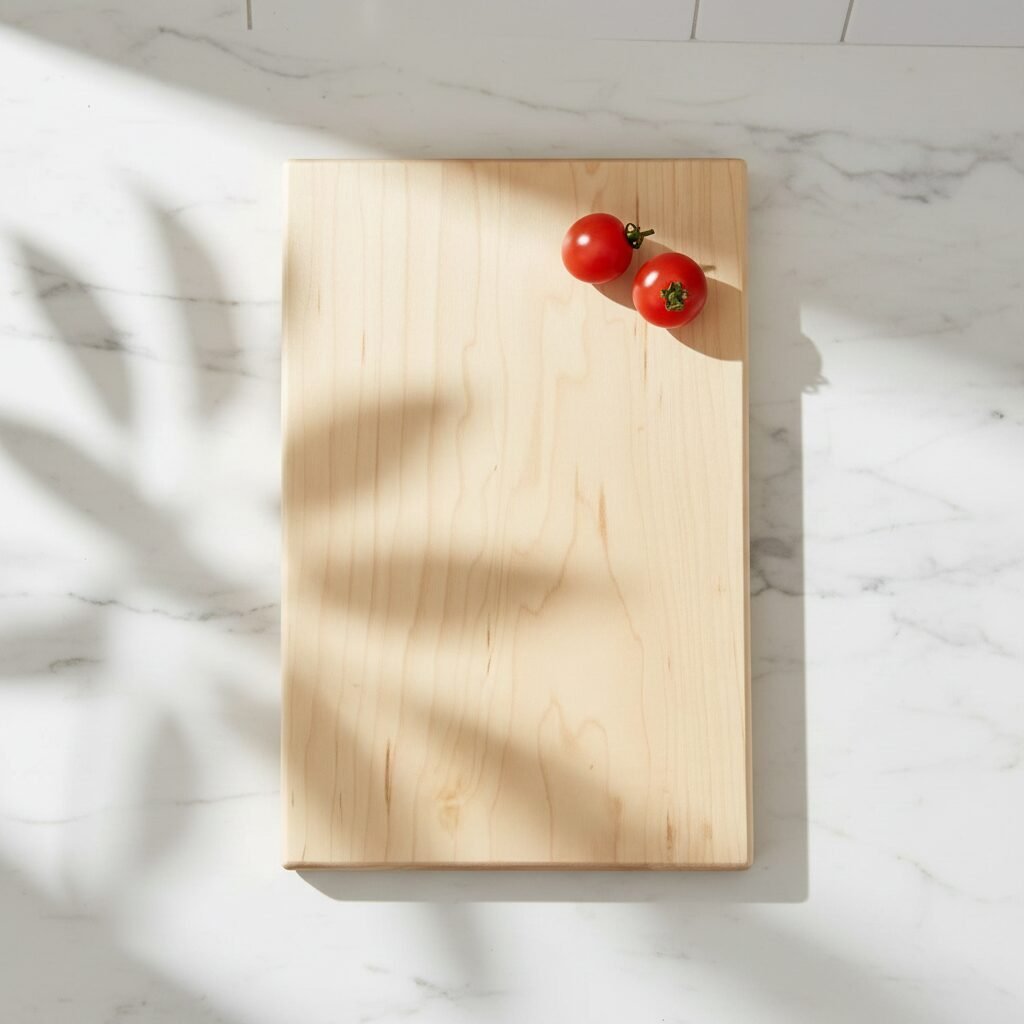
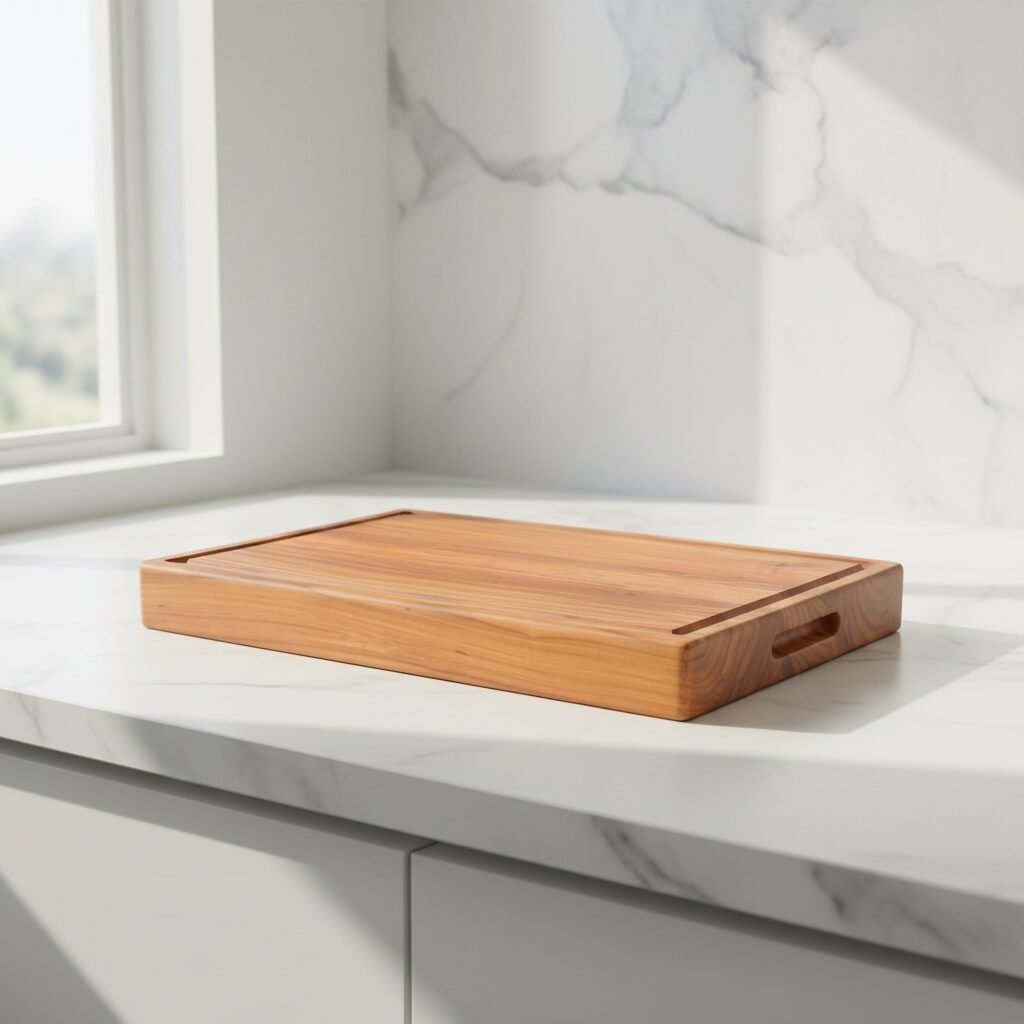
When choosing a wooden chopping board, consider the thickness of your board based on the wood you choose. The lighter the wood, the thicker it needs to be. Mango wood, for instance, is lighter than teak. A mango wood chopping board should be at least one inch to prevent it from warping, while a teak wood board can do with half a centimeter less in thickness for durability. The quality of the wood combined with the thickness determines how well your chopping board can handle the task of regular use in a personal home kitchen and a professional restaurant.
What Defines an Extra Thick Wooden Cutting Board?
Most cutting boards in the market fall into three different categories: thin, standard, and extra thick boards.
Thin cutting boards (1.5 cm to 2 cm)
Thin cutting boards are between 1.5 and 2 centimeters thick. These cutting boards are fragile, prone to warping and cracking. Plastic boards commonly available in the market are of this thickness and will last six months. Wooden chopping boards less than 2 centimeters, if crafted from wood like mango and acacia, are known to crack or warp in a year. Thin wood cutting boards should be cared for. They should be oiled weekly and should not be exposed to moisture at all if possible for longer life. They have their own benefits, though. They are easy to store and light to use. They are best suited for light chopping and small food preparations. They can definitely be used as a serving tray if they are made of teak or acacia.
Standard thickness (2-3 cm)
Most wooden boards fall into the standard category of between 2 and 3 centimeters thick. This is the most durable medium-weight option and common in most home kitchens. They are good for everyday tasks but not ideal for serious chopping. If you are looking to chop meat or dense vegetables regularly, a thicker board is recommended. For home kitchens, a standard cutting board is the best option. They are easy to store, easy to handle, heavy but not too heavy. Look for inbuilt handles on a standard board. Additional external attached handles are prone to lodge food particles, which will loosen the handle over time. Inbuilt handles may not help you hang the chopping boards, but they will fit into your cutlery stands and can be stored upright anywhere in the kitchen platforms.
Extra thick cutting boards (above 3 centimeters to 7 cm)
Any cutting board above 3 cm and below 7 cm is considered a thick or extra thick cutting board. Best for heavy-duty cutting, these premium chopping boards are built to last. Durable and ideal for serious chopping, these boards too require care. Wooden cutting boards made from a single block of wood and between 3 and 7 centimeters are often priced high, especially when they are made from premium quality wood like teak. Expect to pay a heavier price if it’s an end grain cutting board. No matter the thickness, these boards do require regular oiling and care. They are still prone to warping and cracking if not cared for. This is the perfect board for serious home cooks, Instagrammers, and social media enthusiasts who put out cooking videos and blogs, as well as professional chefs.
Popular wood types used for thick cutting boards
The most common woods used for thick cutting boards are mango, teak, tamarind, neem and acacia. Mango is relatively light and can be used for home chefs. They require more care than other materials. Relatively cheaper, these boards have lighter colors but vibrant grains over time.
Tamarind too is relatively affordable with lesser grains but is durable and requires less care than mango. Teak, on the other hand, requires less care, has rich grains, and is often more expensive than all the other varieties of wooden chopping boards. Expect to pay a premium price for teak wood cutting boards, especially if they are made from a single block. The thicker the boards, the more expensive they get.
Key Benefits of Extra Thick Wooden Cutting Boards
Why go for a thick chopping board when there are thinner ones, and those are easier to handle? There are several reasons for that. Durability is one of the main reasons, but then it’s also related to stability and functionality.
Durability and Longevity
Thicker wooden chopping boards are less prone to cracking and warping. Thin boards have lesser structure, and the fibers often tend to deform when exposed to moisture and sunlight/heat. Rapid exposure to moisture and heat increases the risk of warping. With a chopping board, it’s inevitable to prevent the board from exposure to liquid while chopping vegetables and meat. Each time you expose it to water, the chances of it deforming when it dries are high and inevitable. To prevent warping and cracking, you need to maintain the board and oil it regularly to make it water and moisture-resistant. Thicker boards, on the other hand, are less prone to warping due to their structure. Unless exposed to extreme moisture and heat, thicker boards will hold their shape. Also, thicker boards can handle heavy chopping depending on the quality of the wood. Wood like teak is known to be durable. Some wooden products made from teak have lasted 1000 years, and there is clear evidence of the same. But then, they have to be thick, and they have to be made from heartwood. The sapwood, on the other hand, is prone to deterioration.
Stability and Safety
Heavy boards are more stable than light ones. If your boards are constantly slipping on the kitchen platform, it’s probably because they are light. You need a heavy, thick board that will stay in place. Stability also contributes to safety and reduces accidents. Though your board may be bulky and hard to handle, a heavy board often has the advantage of reduced risks of accidents while chopping meat and vegetables.
Multipurpose Functionality
Heavy boards are not just used for cutting vegetables but also double as butcher boards. Cutting meat often requires more than carving. You are often faced with chopping the meat and fish, which requires your board to be in place and take the blows you put the meat through. A butcher board is designed to be thick and tough. A Wooden vegetabale cutting board, especially ones that are more than 3 centimeters thick and made from a single block of wood, will handle the pressure of the blows without a problem. A thick cutting board will also come in handy, especially when they are large, as a serving board for meat during family events and celebrations like Christmas.
How to Choose the Best Extra Thick Wooden Cutting Board
When it comes to choosing the right board, consider more than just thickness. Since you have already decided to purchase a thick Teak chopping board, you have other considerations that are important to you too. The wood and the construction make the next important decisions you have to make. You can choose either Edge Grain Or End grain chopping boards. Finally, it has to be within your budget. Teak wood chopping boards are the most expensive in the lot and the most durable too. Mango wood is light and the cheapest. Nevertheless, an end-grain mango wood chopping board would cost about the same as an end-grain teak wood board. So, be sure to choose the right board that fits your budget.
Related Topics
Is Teak Wood Safe for Food Use – Facts and Myths on Teak Wood Utensils
When sourced properly and maintained, teak wood is a food-safe material for specific kitchenware. With its high natural oil content, teak wood provides antimicrobial properties and inhibits bacterial growth. This makes teak wood a hygienic choice over plastic. It is scientifically proven to be food-safe and, traditionally used since ages, teak wood is one of…
Reasons Why Wooden Chopping Boards Are Better Than Plastic
Plastic has been the preferred choice for chopping vegetables and meat in the past decade. Many users have had complaints about plastic chopping boards, yet they go back to plastic boards time and again. Understanding why wooden cutting boards are better than plastic chopping boards and where they excel will give you a clear perspective…
Essential Facts You Must Know Before Buying a Teak Wood Chopping Board
A teak wood chopping board will last decades. But it’s not about durability alone. Teak wood chopping boards are an investment and just like any other investment, you need to take care of your cutting board too. Regular maintenance, oiling and addressing issues related to the board’s wear and tear should be taken care of…
Best Uses of Teak Wood: Common and Unique Applications That Make It the King of Hardwoods
Teak wood is considered a valuable and versatile hardwood, prized for its durability and natural oil and water resistance apart from its beautiful grain patterns. Teak wood is considered a versatile wood which is used both in indoor and outdoor applications where strength, longevity and appearance matter. Apart from furniture, Teak wood has some of…
What to look for when purchasing a teak wood cutting board and how to identify teak wood
Most people are not experts in wood. They believe the wood they purchase is genuine, but this may not be the case. Even with genuine teak, the origin of the wood is important. Apart from the origin, the quality or the grade plays a major role in the life of a teak wood cutting board.…
Why Tamarind Wood Cutting Boards For Meat is Preferred Compared to Teak Chopping Boards
Teak is a tough wood and it is beautiful too. Then why is tamarind wood chopping boards preferred choice in commercial butcher shops compared to teak? Ever wondered why teak is not used for cutting meat in a commercial butcher shop? There are multiple reasons why butchers prefer tamarind wood and not teak, even though…
