
Showing all 9 resultsSorted by popularity
Medium Premium Single Block Tamarind Wood Chopping Board 10×16×1.5 Inch – PuliMutti Collection
Original price was: ₹2,479.00.₹1,499.00Current price is: ₹1,499.00.Large Single Block Tamarind Wood Chopping Board 12×18×1.5 Inch – Butcher Block
Original price was: ₹2,479.00.₹1,999.00Current price is: ₹1,999.00.Single Block Tamarind Wood Cutting Board 14×8×1.5 Inch – Butcher Block
Original price was: ₹1,279.00.₹799.00Current price is: ₹799.00.Single Block Tamarind Wood Butcher Block 16×10×1.5 Inch – Wooden Cutting Board
Original price was: ₹1,979.00.₹1,499.00Current price is: ₹1,499.00.Large Premium Single Block Tamarind Wood Chopping Board 18x12x1.5 inch– Puli Mutti Cutting Board
Original price was: ₹2,479.00.₹1,999.00Current price is: ₹1,999.00.Small Single Block Spalted Tamarind Wood Cutting Board 14×8×1 Inch – Wooden Chopping Board
Original price was: ₹1,979.00.₹699.00Current price is: ₹699.00.Medium Spalted Tamarind Wood Meat Cutting Board 10×16×1 Inch – Wooden Chopping Board
Original price was: ₹1,279.00.₹999.00Current price is: ₹999.00.Large Spalted Tamarind Wood Cutting Board 11×18×1 Inch – Wooden Chopping Board
Original price was: ₹2,479.00.₹1,249.00Current price is: ₹1,249.00.Extra Large Single Block Tamarind Wood Chopping Board 16×24 Inch– Wooden Cutting Board
Original price was: ₹5,979.00.₹4,499.00Current price is: ₹4,499.00.
Best Single Block Chopping Board – Premium Cutting Boards in Teak
A single block chopping board is a perfect choice for those who value exceptional craftsmanship, durability, and the natural beauty of solid wood. Unlike boards made from multiple pieces of wood joined together, a single block chopping board is carved from one carefully selected piece of hardwood, showcasing the beauty of the wood’s unique grains…
Is Teak Wood Safe for Food Use – Facts and Myths on Teak Wood Utensils
When sourced properly and maintained, teak wood is a food-safe material for specific kitchenware. With its high natural oil content, teak wood provides antimicrobial properties and inhibits bacterial growth. This makes teak wood a hygienic choice over plastic. It is scientifically proven to be food-safe and, traditionally used since ages, teak wood is one of…
Spalted Tamarind Wood Chopping Board – Wild, Beautiful and Unpredictable
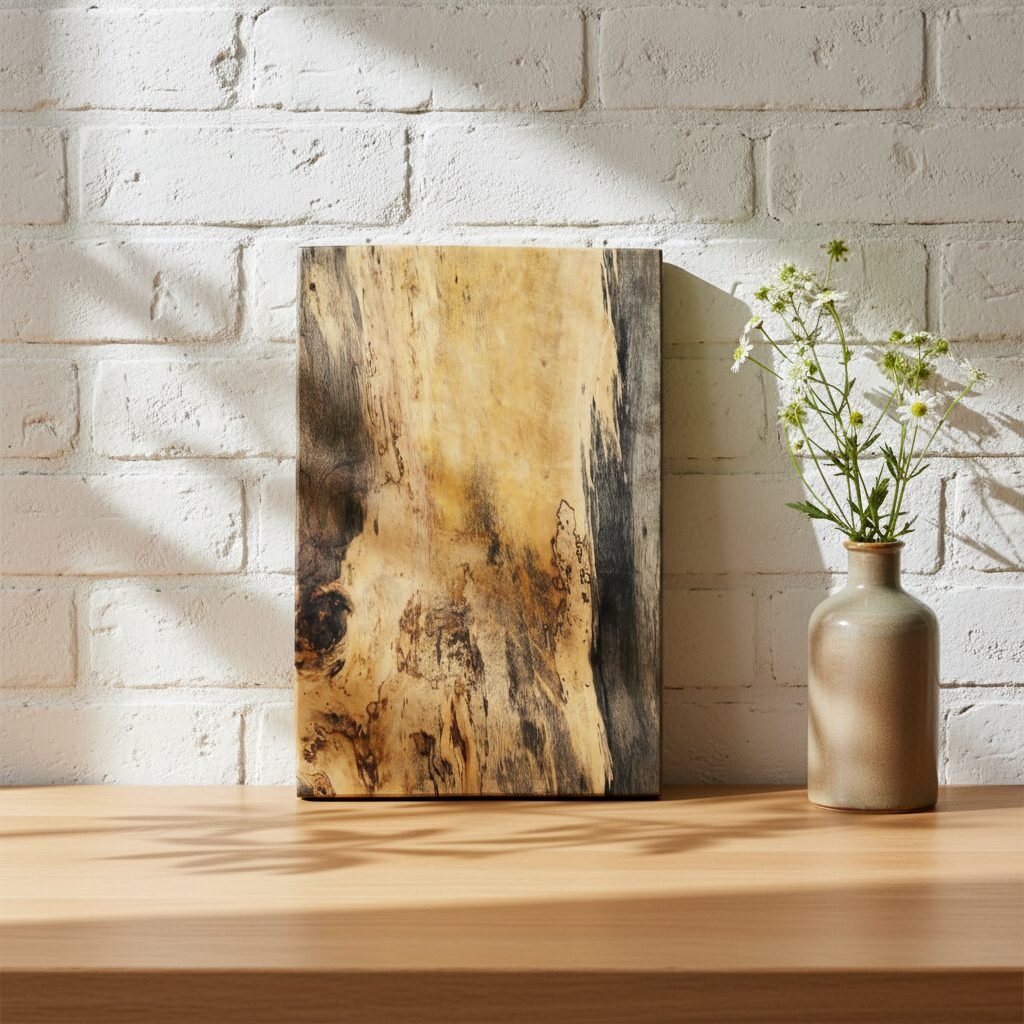
Tamarind wood is naturally white with a yellow tint. It is beautiful, tough, and usually known for its marble-like grains, which are visible when you look carefully. Spalted tamarind wood, on the other hand, is captivating, with unique patterns and rich tones derived from the tamarind tree. The wood combines the natural beauty of controlled…
Reasons Why Wooden Chopping Boards Are Better Than Plastic
Plastic has been the preferred choice for chopping vegetables and meat in the past decade. Many users have had complaints about plastic chopping boards, yet they go back to plastic boards time and again. Understanding why wooden cutting boards are better than plastic chopping boards and where they excel will give you a clear perspective…
Choose the Perfect Knife for Your Wooden Chopping Board
A good knife makes cutting and chopping a breeze. Choosing a knife is not a matter of getting the job done but a lot about convenience too. Most of us, Indian home chefs, are used to a regular knife which we get in a store. Most of our knives don’t cost more than a few…
Exotic Woods of India and Its Uses
India is rich in its flora and fauna. Some of the best trees in the world are found in India and some are even native to India itself. This article focuses on the most exotic woods of India and their specific uses. Not all wood are equal. While some woods are best for furniture and…