
India, being a tropical country with weather conditions varying from north to south, a wide variety of wood is available. The northern part of India and the Himalayan range has wood like Deodar, Walnut, Poplar, Tun, and Horse Chestnuts. The central part of India and the southern part of India is known for a wider range of wood like Teak, Mango, Neem, Rosewood, and Acacia. Some woods are not native to India, like Pine, which is often imported for specific purposes. Each wood has its own set of features and is beautiful in its own way. This article explains the nature, properties, and uses of each type of wooden chopping boards. This includes a detailed comparison of Teak, mango, neem and tamarind wood for chopping boards.
Teak Wood Chopping Boards
Shop Wooden Chopping boards
Single Block Chopping Board 14×7×.75 Inch – Rectangular Teak Wood Edge Grain Cutting Board
Original price was: ₹999.00.₹599.00Current price is: ₹599.00.Small Premium Single Block Teak Wood Bar Chopping Board 14×8 x1 inch – Wooden Cutting Board
Original price was: ₹2,899.00.₹1,399.00Current price is: ₹1,399.00.Large Single Block Teak Wood Chopping Board 15×9×1 Inch – Rectangular Edge Grain Cutting Board
Original price was: ₹3,499.00.₹1,999.00Current price is: ₹1,999.00.Medium Premium Single Block Tamarind Wood Chopping Board 10×16×1.5 Inch – PuliMutti Collection
Original price was: ₹2,479.00.₹1,499.00Current price is: ₹1,499.00.Teak Wood Carving Board 10×16×1 Inch – Solid Cutting Board with Juice Grooves | Craft Series
Original price was: ₹3,399.00.₹1,999.00Current price is: ₹1,999.00.Teak Wood Chopping board | Single Block Teak Wood 10×16×1 Inch – Rectangular Edge Grain Cutting Board
Original price was: ₹3,999.00.₹2,699.00Current price is: ₹2,699.00.
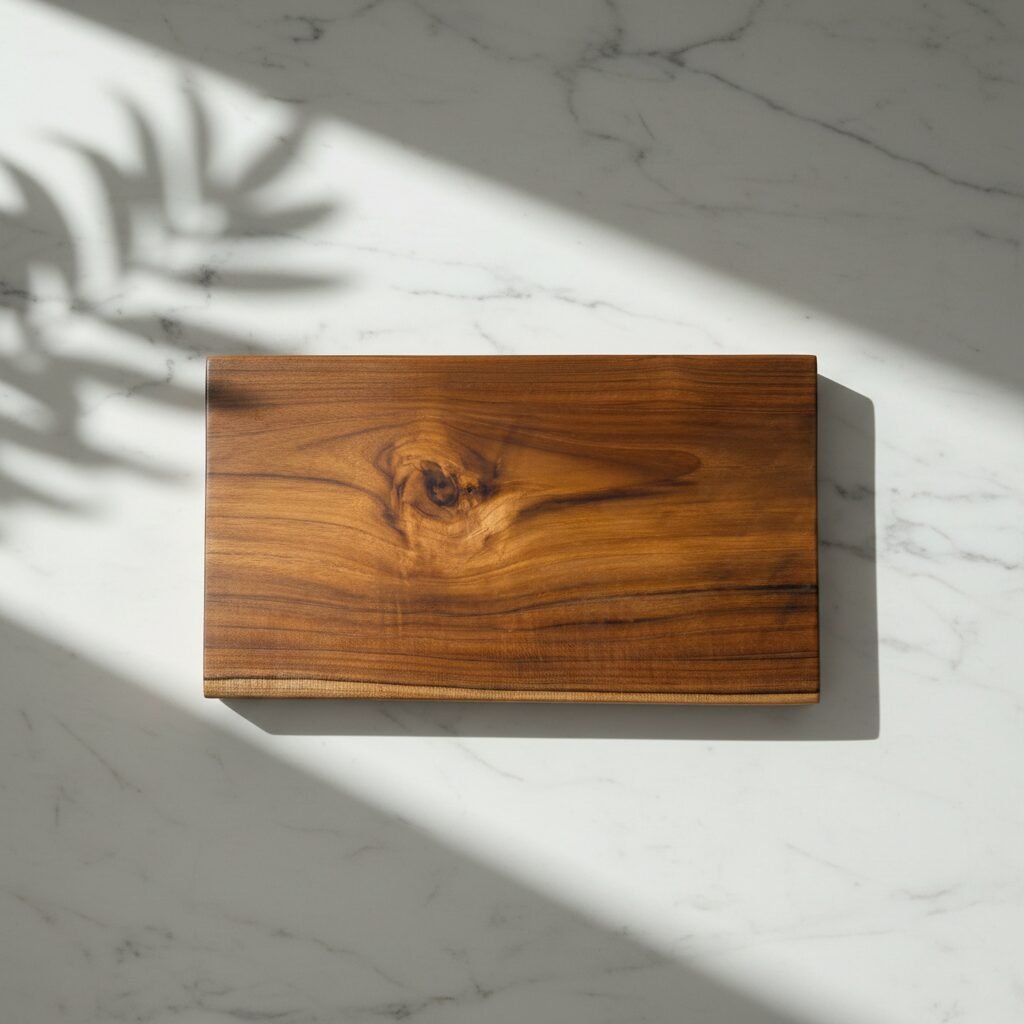
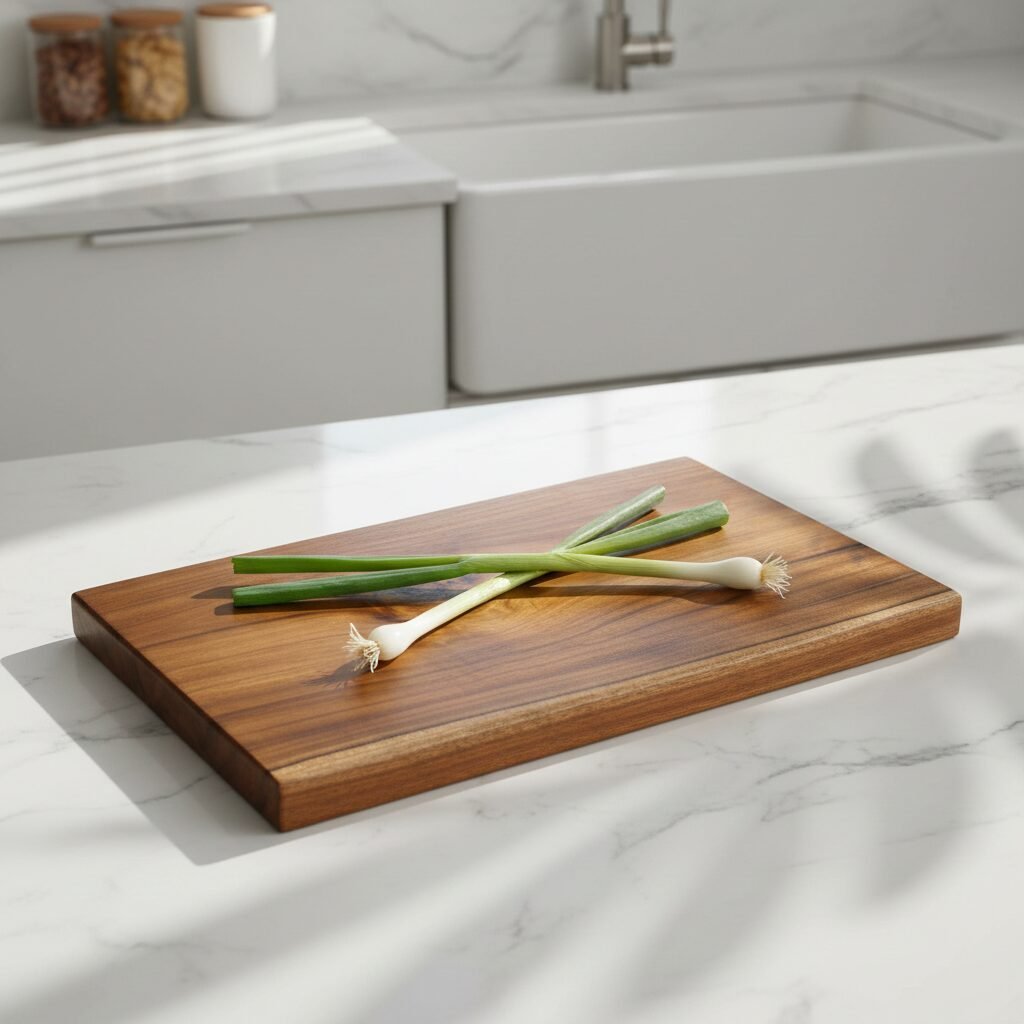
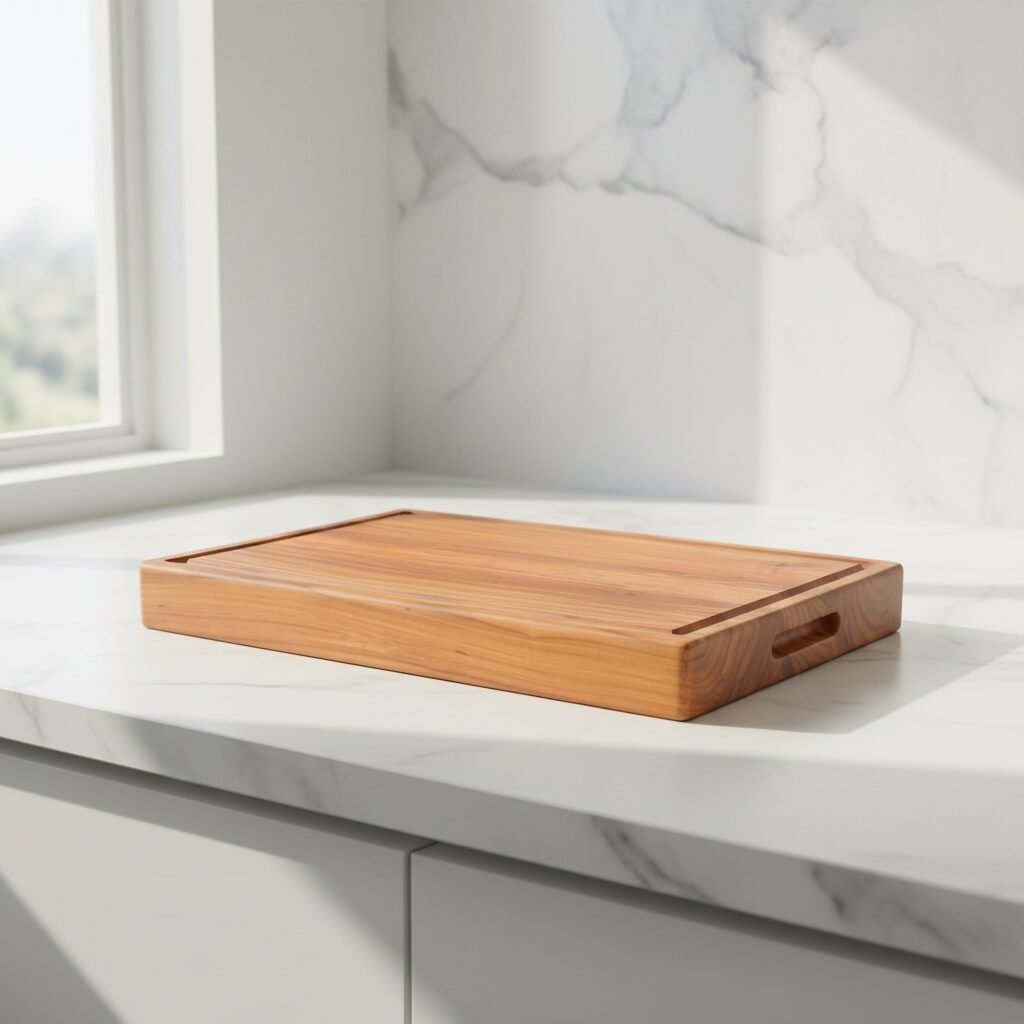
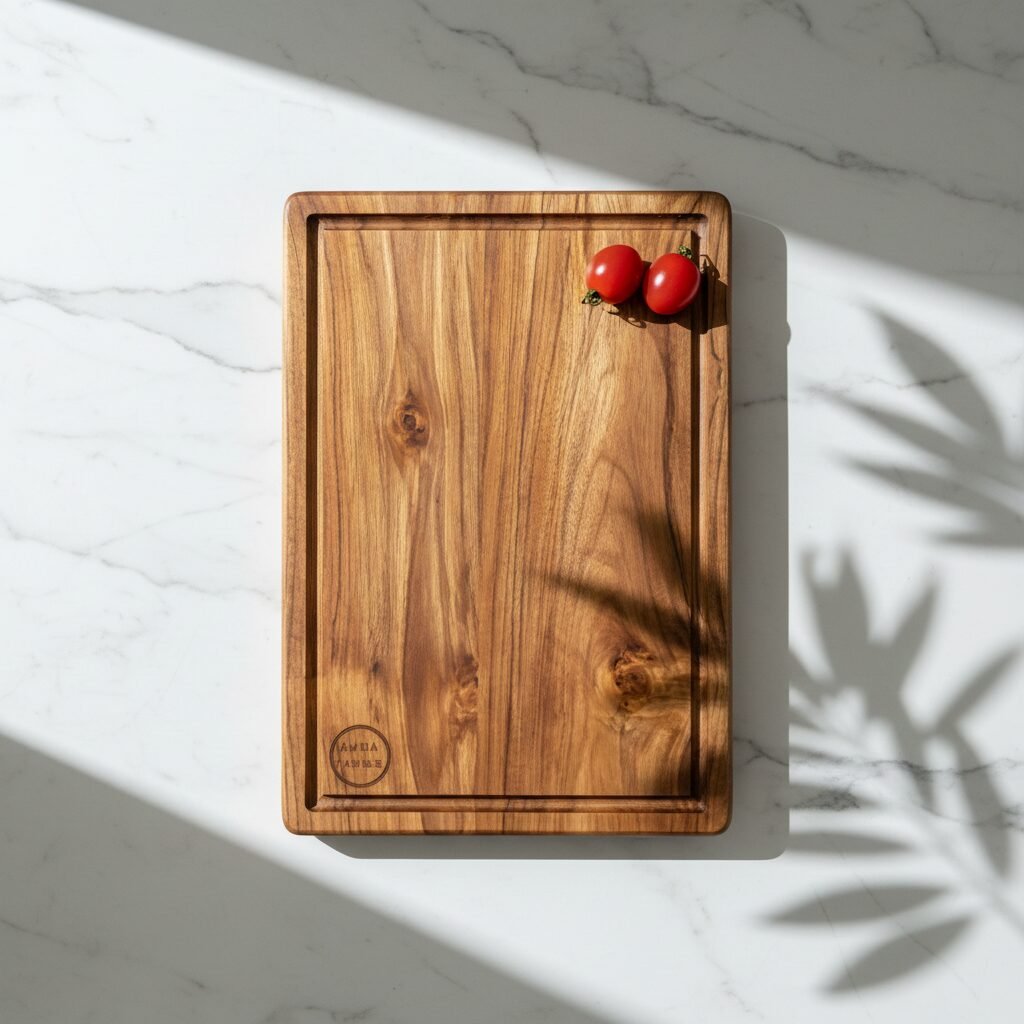
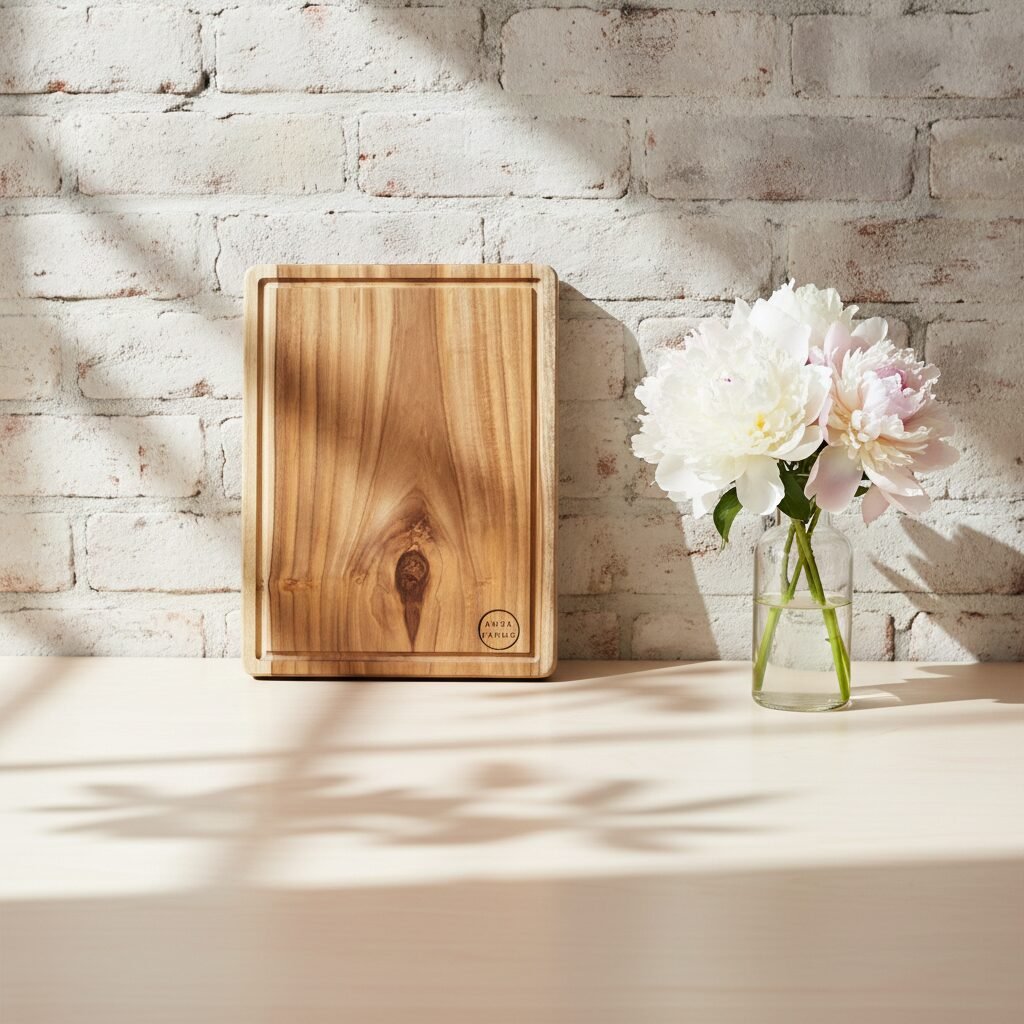
Teak wood is grown in the central and southern part of India. This includes parts of Gujarat, Madhya Pradesh, UP, Kerala, Tamil Nadu, Karnataka, and Andhra. Known for its beauty and durability, Teak wood has always been the first choice for furniture. The love for Teak wood among Indians goes back centuries. Artifacts and sculptures created with Teak still adorn palaces and forts in India. The use of Teak wood is not limited to structures but also to shipbuilding during ancient times. The Mughal era was also notable for the use of Teak wood in tombs, palaces, and important structures. During the British Raj, Teak was exported from India and used in their own building projects.
Today the cultivation of Teak is more controlled and with more and more plantation of Teak, the use is also more common. Teak is one of the few preferred woods for chopping boards due to its availability and affordability. Teak wood vegeatbale chopping boards can stand the test of time and frequent exposure to moisture and can take cuts and scratches with grace. Their rich silica content and oil content make it a perfect material for chopping boards, ensuring minimum moisture retention and absorption, excellent resistance to pest and insect attack. Teak wood is also resistance to mold and fungal growth. It may be a bit difficult for a new buyer to identify teak wood. Use these tips to identify teak wood and quality chopping boards made from teak.
Mango Wood Chopping Boards
Mango wood is known for the religious and cultural uses. Used for ritual firewood in Hindu yagnas, the tree is sacred to Hindu culture. The wood of the trees is used for making low-cost furniture, storage boxes, shelves, and cupboards. They are found in tribal regions for carvings and agricultural tools. The leaves of the trees are used in marriage rituals and poojas. Mango wood is easy to work with, light, and a preferred wood for musical instruments like Ektara. They are also widely used in handicrafts in India. The wood is light in colour, relatively strong, and durable.
The Mango wood is abundant in India making it one of the most common material for chopping boards. With trees mostly used for cultivation of the fruit, they are cut down when the trees are mature and do not yield fruits. With the abundance of Mango cultivation in India, the trees and logs of Mango wood are easy to acquire, cheap, and a sustainable source for creating furniture and artifacts. The wood is used for creating dining tables, coffee tables, cabinets, beds, and bookshelves. They have a rustic farmhouse style for furniture and its rich patterns and warm colour tones are interesting in certain styles.
Widely available in Uttar Pradesh, Andhra Pradesh, Tamil Nadu, Maharashtra, West Bengal, Bihar, and Kerala, Mango wood is often sourced from orchards where trees reach the end of their fruiting stage.
Mango wood is considered a relatively cheaper wood for creating chopping boards. Mango wood chopping boards are best for chopping vegetables but are known to be less resistant to water. They are also vulnerable to insect attacks, moisture, and mold.
Mahogany Wood Chopping Boards
Mahogany wood is known for its straight, fine, uniform grains and natural lustre. The wood is reddish-brown in colour. The wood darkens beautifully with age. They are smooth and even and polish well. Moderately hard and dense, the wood is durable and termite-resistant. They are also moderately moisture-resistant and rot-resistant, making it a perfect material for chopping boards. Considered a luxury hardwood worldwide, Mahogany is used for making furniture. Mahogany is not native to India and was introduced by the British during colonial rule in the 18th–19th century for luxury furniture production. The variety planted in India is known as Honduran Mahogany or its hybrids.
Mostly planted in Assam, Kerala, Bengal, and coastal Karnataka, they were used widely in colonial furniture, courts, and railway offices for the prestige and finish. Known for Victorian-style furniture, writing desks, chairs, almirahs, and panelling, it is not as widely used as Teak or Sheesham. They are only sought after by high-end furniture makers and interior designers. It is a popular wood for furniture and cabinetry, musical instruments like guitars and violins, and crafting and décor.
Mahogany does not have any religious roots in Indian tradition but is associated with wealth, elegance, and colonial grandeur. Mahogany is rarely used for chopping boards, as they tend to let out color from the wood, but some boards are created with mahogany due to its rich color. They add beauty but lack the functionality.
Sal Wood Chopping Boards
The Sal tree is known for its durability and hardness. They are very dense and harder than Teak. A heavy wood, they are resistant to water, fungi, and insects. They are difficult to saw or plane due to its high density and resin. Used for structural work, they have a distinctive resinous smell due to the high oil content. The heartwood is dark brown and the sapwood is pale yellow-white, with interlocked rough, less uniform grains.
Sal is indigenous to the Indian subcontinent and dates back to ancient Vedic times. Mentioned in texts like Mahabharata and Ramayana and in Ayurvedic literature. They were traditionally used in temple construction and village architecture in eastern India. Railway sleepers, beams, and pillars were constructed with Sal wood in the British era. Traditionally house building with Sal in Jharkhand, Chhattisgarh, Odisha, and Madhya Pradesh was common. It has spiritual significance in Buddhism as Buddha was born under a Sal tree, also known as a Lumbini tree.
In modern times, Sal is used in construction and infrastructure, widely used in government housing schemes, furniture like beds and benches, outdoor applications like bridges, jetties, poles, fence posts, and decking where moisture exposure is high. Sal is also used in agriculture for packing crates and plough handles.
Sal is dominant in the central and eastern Himalayan belt. Jharkhand, Chhattisgarh, Madhya Pradesh, Odisha, West Bengal, Bihar, Assam, Uttarakhand, and Uttar Pradesh are known for their Sal.
Sal is not suitable for chopping boards because it’s hard to work with. Its high density, pungent smell, and its nature to crack when not dried carefully makes it a less desired wood. Also, the wood looks less elegant compared to many other woods commonly available.
Neem Wood Chopping Boards
Shop Wooden Chopping boards
Neem Wood Chopping Board with Juice Groove 10×16×1 Inch – Wooden Cutting Board
Original price was: ₹1,999.00.₹1,499.00Current price is: ₹1,499.00.Single Block Neem Wood Chopping Board with Hanging Hole 16x10x1 inch– Wooden Cutting Board
Original price was: ₹1,999.00.₹1,499.00Current price is: ₹1,499.00.
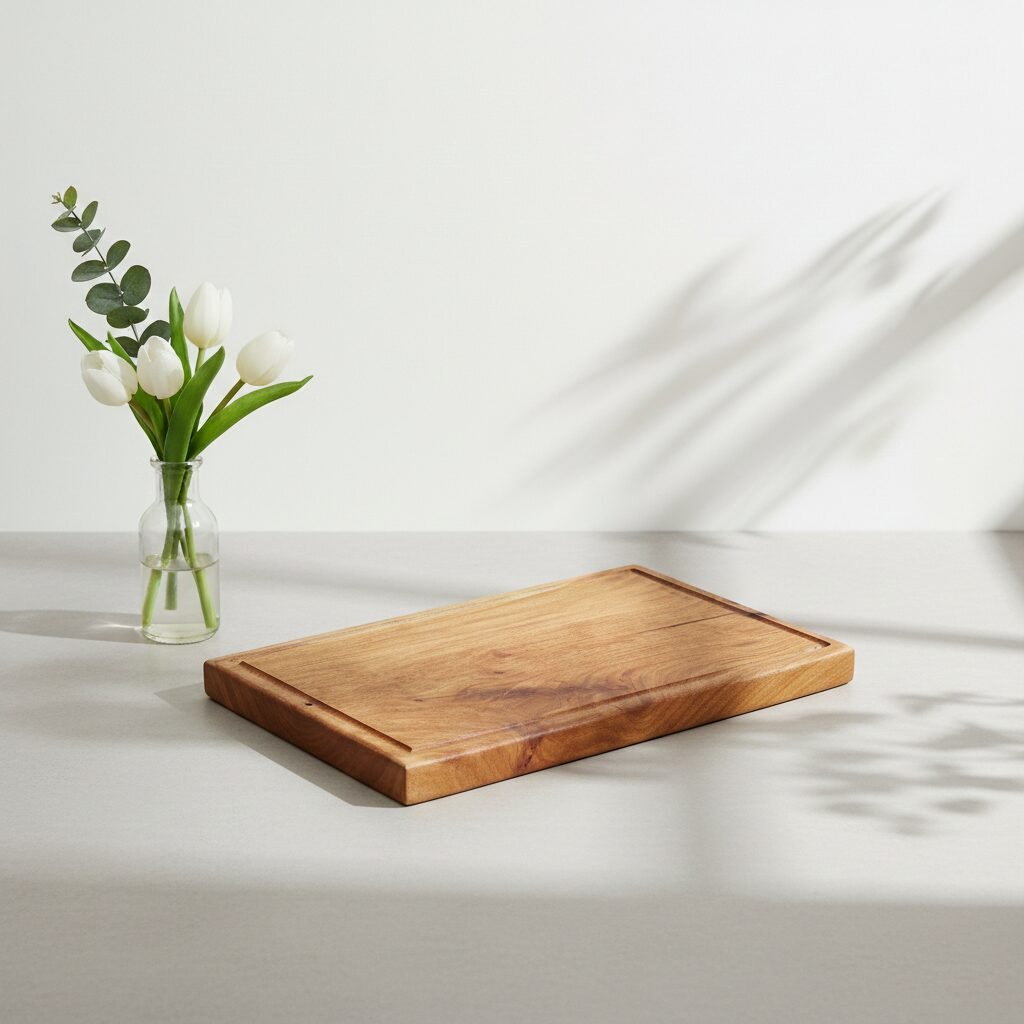
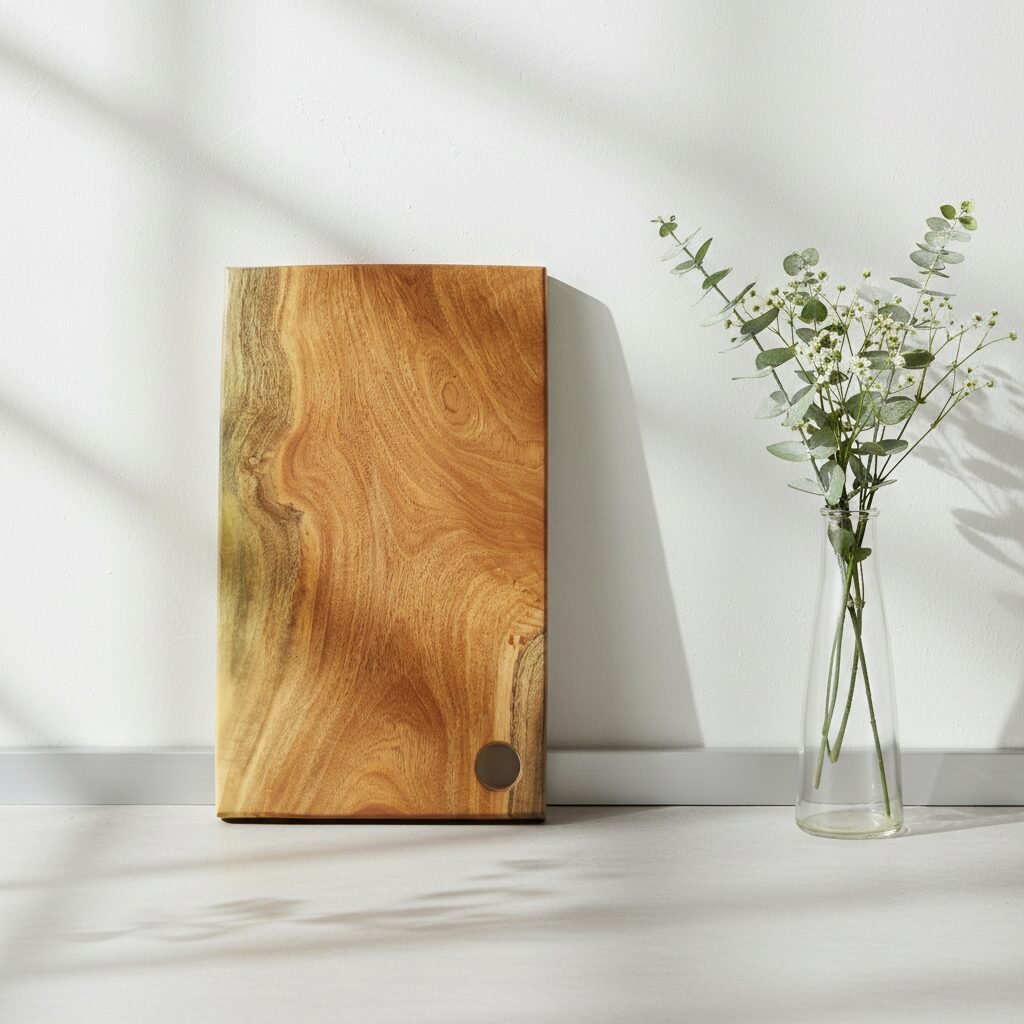
Neem is one of the most common woods available all over India. It is known for its medicinal values but its wood is used for construction of cots, religious items, storage boxes, windows, and doors among others. The wood features straight, slightly interlocked, uneven grains. They have a light reddish-brown to deep golden-brown colour. They are moderately hard and strong, durable, and naturally resistant to termites, pests, and fungal attacks. Easy to work with, they are medium-weight wood, lighter than Teak and Sal. The distinctive fragrance of Neem is known to deter pests.
Neem is one of the revered trees in India, also known as the village pharmacy in Ayurveda. The medicinal uses are known widely and the wood plays a vital role in rural Indian life. From agricultural tools like plough handles, yokes, to storage boxes to store grains for its pest-repellent properties, religious items and charpoys are crafted with Neem wood.
Neem was particularly not the most favourite for chopping boards due to its strong smell and its ability to impart bitterness to the food you cut. Recent years have seen an increase in many users preferring Neem wood for cutting boards due to its medicinal benefits.
Neem is found in northern, central, and southern India. There are only a few extremely cold areas where Neem does not grow. Uttar Pradesh, Madhya Pradesh, Rajasthan, Tamil Nadu, Karnataka, Andhra, and Kerala are all Neem-growing areas naturally.
In Indian culture, Neem leaves are hung in the entrance during festivals to ward off diseases and evil. The twigs are used to brush teeth and in fire ceremonies/homa. Neem is considered cool in nature according to Ayurveda.
Neem wood vegetable chopping boards are slowly making its way into indian kitchens due to its medicinal properties.
Tamarind Wood Chopping boards
Shop Wooden Chopping boards
Medium Premium Single Block Tamarind Wood Chopping Board 10×16×1.5 Inch – PuliMutti Collection
Original price was: ₹2,479.00.₹1,499.00Current price is: ₹1,499.00.Large Spalted Tamarind Wood Cutting Board 11×18×1 Inch – Wooden Chopping Board
Original price was: ₹2,479.00.₹1,249.00Current price is: ₹1,249.00.Single Block Tamarind Wood Cutting Board 14×8×1.5 Inch – Butcher Block
Original price was: ₹1,279.00.₹799.00Current price is: ₹799.00.Medium Spalted Tamarind Wood Meat Cutting Board 10×16×1 Inch – Wooden Chopping Board
Original price was: ₹1,279.00.₹999.00Current price is: ₹999.00.Single Block Tamarind Wood Butcher Block 16×10×1.5 Inch – Wooden Cutting Board
Original price was: ₹1,979.00.₹1,499.00Current price is: ₹1,499.00.Large Single Block Tamarind Wood Chopping Board 12×18×1.5 Inch – Butcher Block
Original price was: ₹2,479.00.₹1,999.00Current price is: ₹1,999.00.
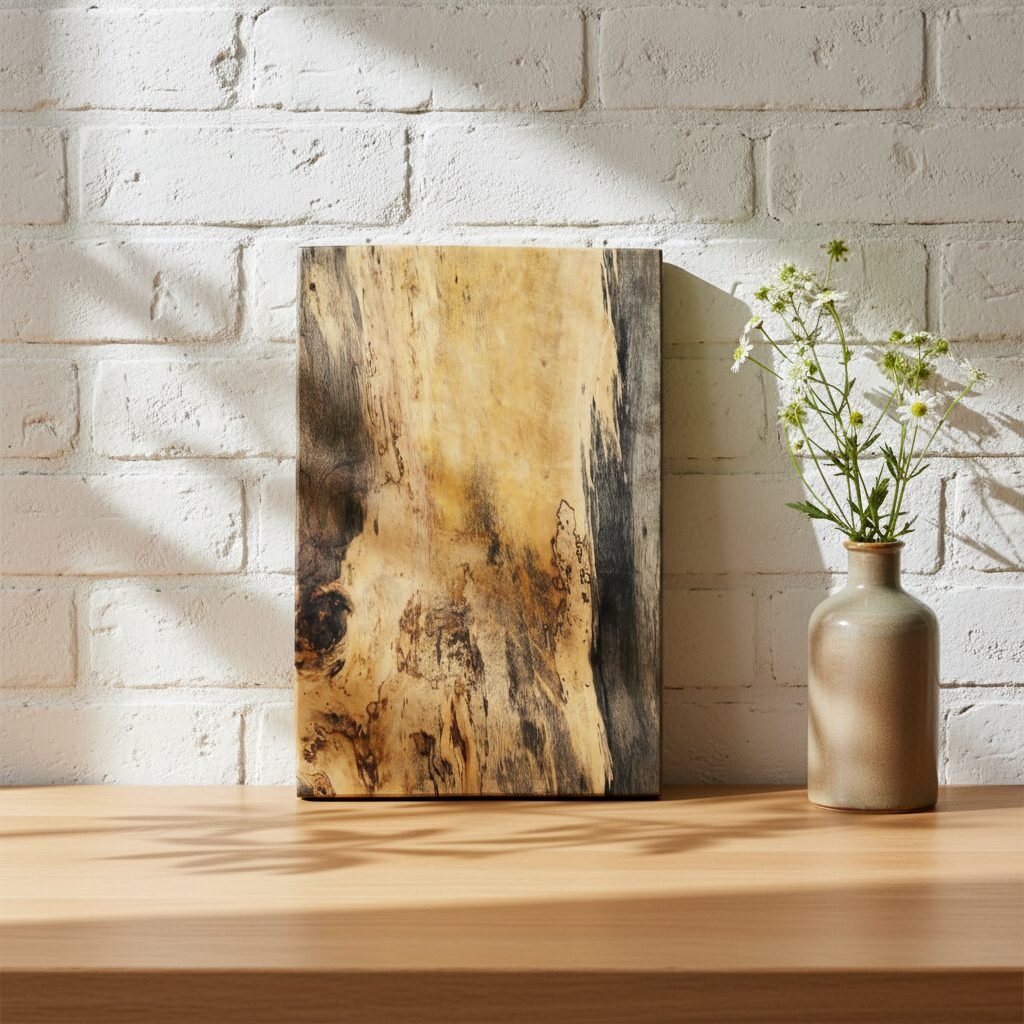
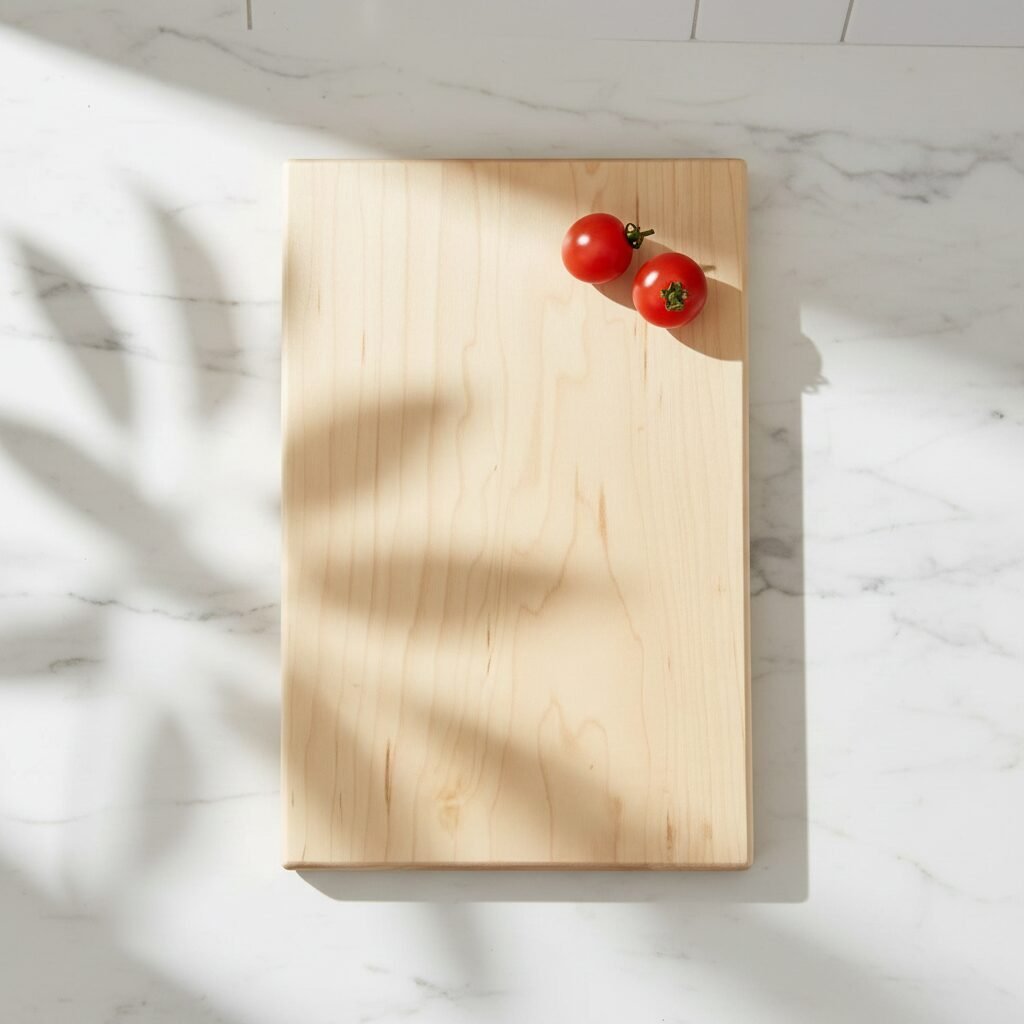
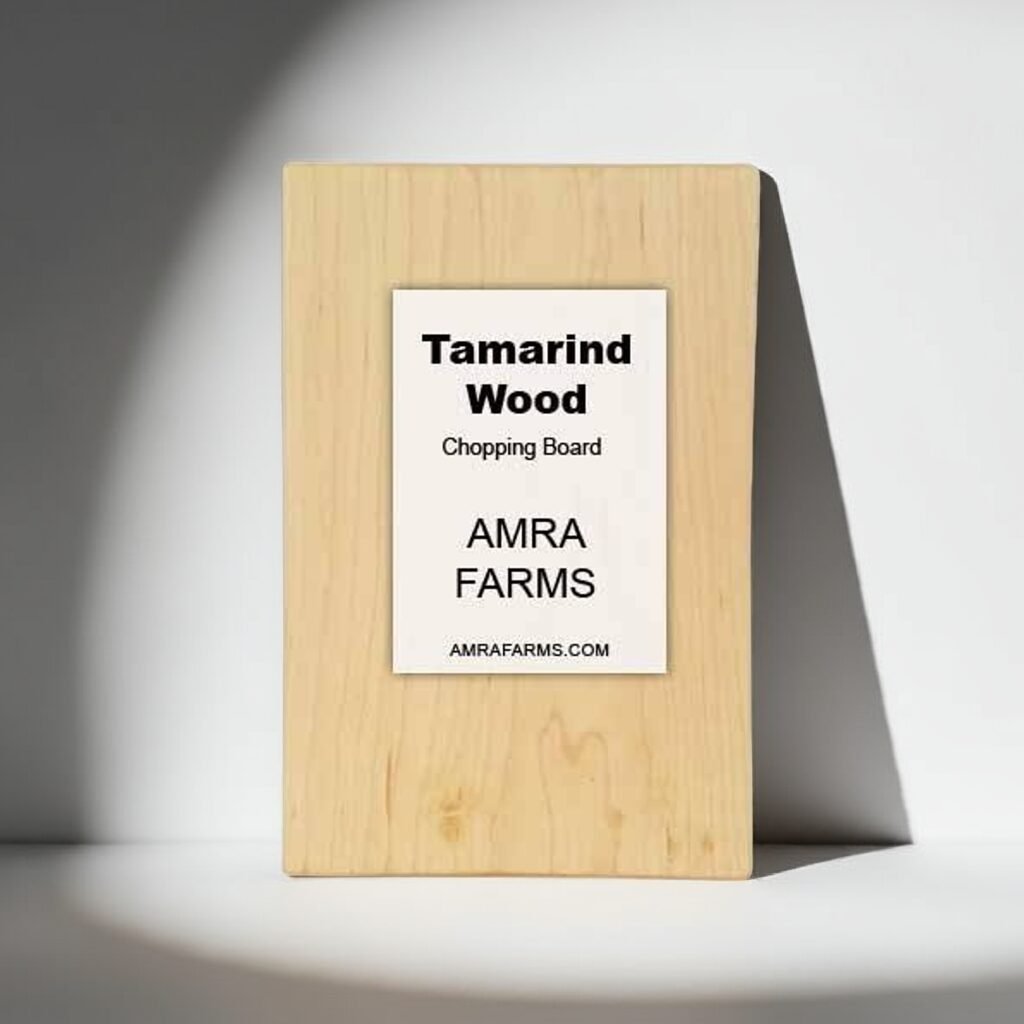
Among all the wooden chopping boards in India, tamarind stands to be one of the most dense wood chopping boards and at the lowest in price. White with a slight yellowish tinge and an occasional brown and black streaks, tamarind wood is considered exquisite and almost mimics pine and maple to some extent in terms of looks. Tamarind wood is one of the most dense woods available in the world. Tamarind wood chopping boards are perfect for cutting meat and vegetables and is a tested wood for cutting meat. The tight grains combined with its durability make tamarind wood chopping boards good for heavy chopping. For those who prefer a light-coloured cutting board, the tamarind wood is a perfect choice. When buffed and sanded to a smooth surface, tamarind wood almost looks like a marble slab. It is heavy, tough and extremely durable.
Conclusion
The types of wood used for chopping boards in India vary from location to location. There is no one size fits all. Personal preferences, use cases and aesthetics determine the choice of wood for chopping boards. You may also want to check out some of the imported wood used for chopping boards.
Related Topics
Is Teak Wood Safe for Food Use – Facts and Myths on Teak Wood Utensils
When sourced properly and maintained, teak wood is a food-safe material for specific kitchenware. With its high natural oil content, teak wood provides antimicrobial properties and inhibits bacterial growth. This makes teak wood a hygienic choice over plastic. It is scientifically proven to be food-safe and, traditionally used since ages, teak wood is one of…
Reasons Why Wooden Chopping Boards Are Better Than Plastic
Plastic has been the preferred choice for chopping vegetables and meat in the past decade. Many users have had complaints about plastic chopping boards, yet they go back to plastic boards time and again. Understanding why wooden cutting boards are better than plastic chopping boards and where they excel will give you a clear perspective…
Essential Facts You Must Know Before Buying a Teak Wood Chopping Board
A teak wood chopping board will last decades. But it’s not about durability alone. Teak wood chopping boards are an investment and just like any other investment, you need to take care of your cutting board too. Regular maintenance, oiling and addressing issues related to the board’s wear and tear should be taken care of…
Best Uses of Teak Wood: Common and Unique Applications That Make It the King of Hardwoods
Teak wood is considered a valuable and versatile hardwood, prized for its durability and natural oil and water resistance apart from its beautiful grain patterns. Teak wood is considered a versatile wood which is used both in indoor and outdoor applications where strength, longevity and appearance matter. Apart from furniture, Teak wood has some of…
What to look for when purchasing a teak wood cutting board and how to identify teak wood
Most people are not experts in wood. They believe the wood they purchase is genuine, but this may not be the case. Even with genuine teak, the origin of the wood is important. Apart from the origin, the quality or the grade plays a major role in the life of a teak wood cutting board.…
Why Tamarind Wood Cutting Boards For Meat is Preferred Compared to Teak Chopping Boards
Teak is a tough wood and it is beautiful too. Then why is tamarind wood chopping boards preferred choice in commercial butcher shops compared to teak? Ever wondered why teak is not used for cutting meat in a commercial butcher shop? There are multiple reasons why butchers prefer tamarind wood and not teak, even though…
