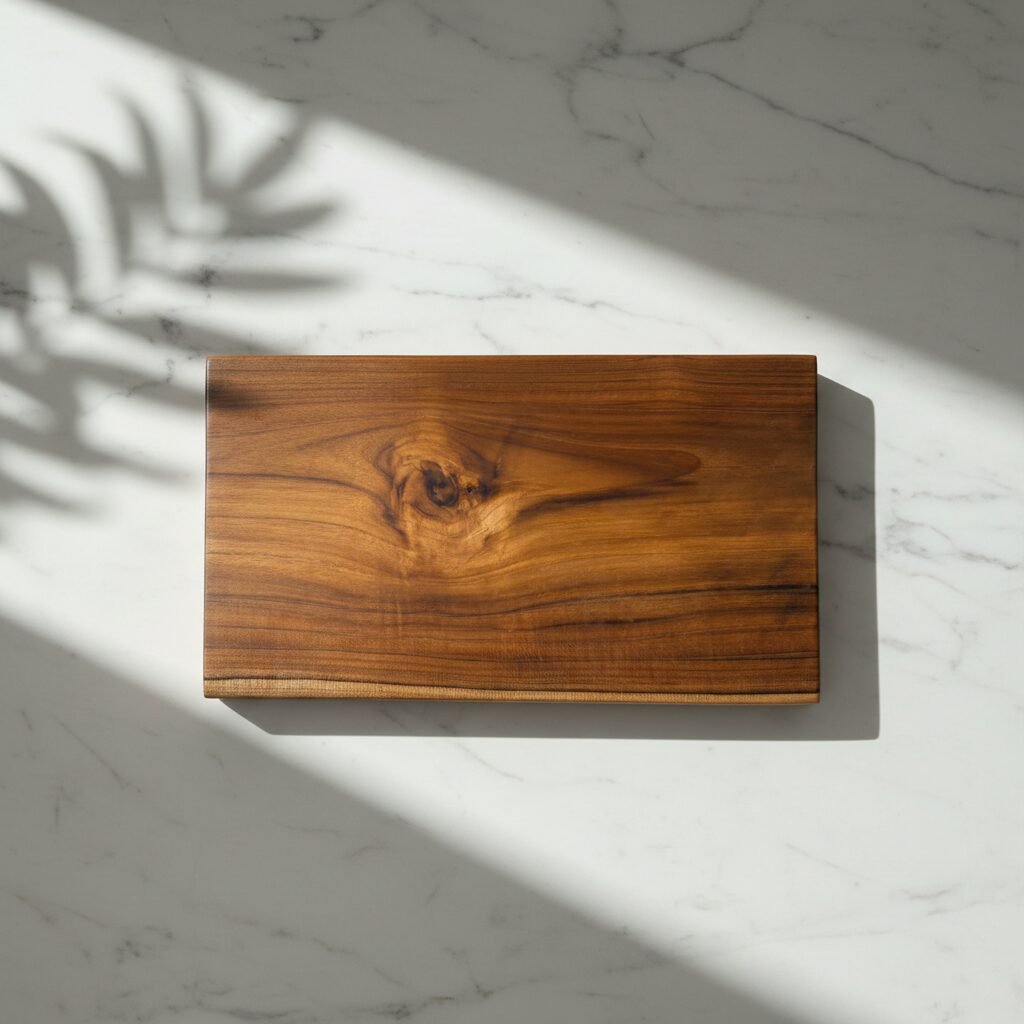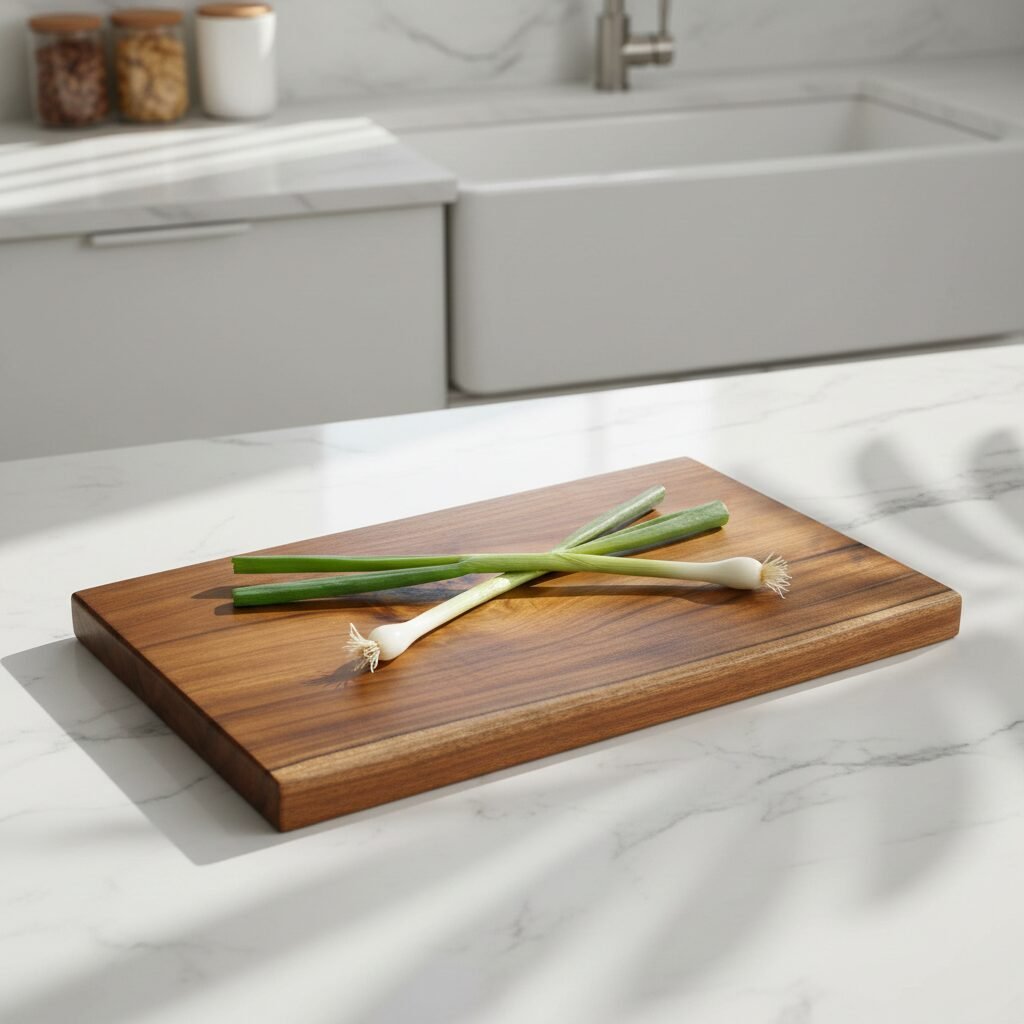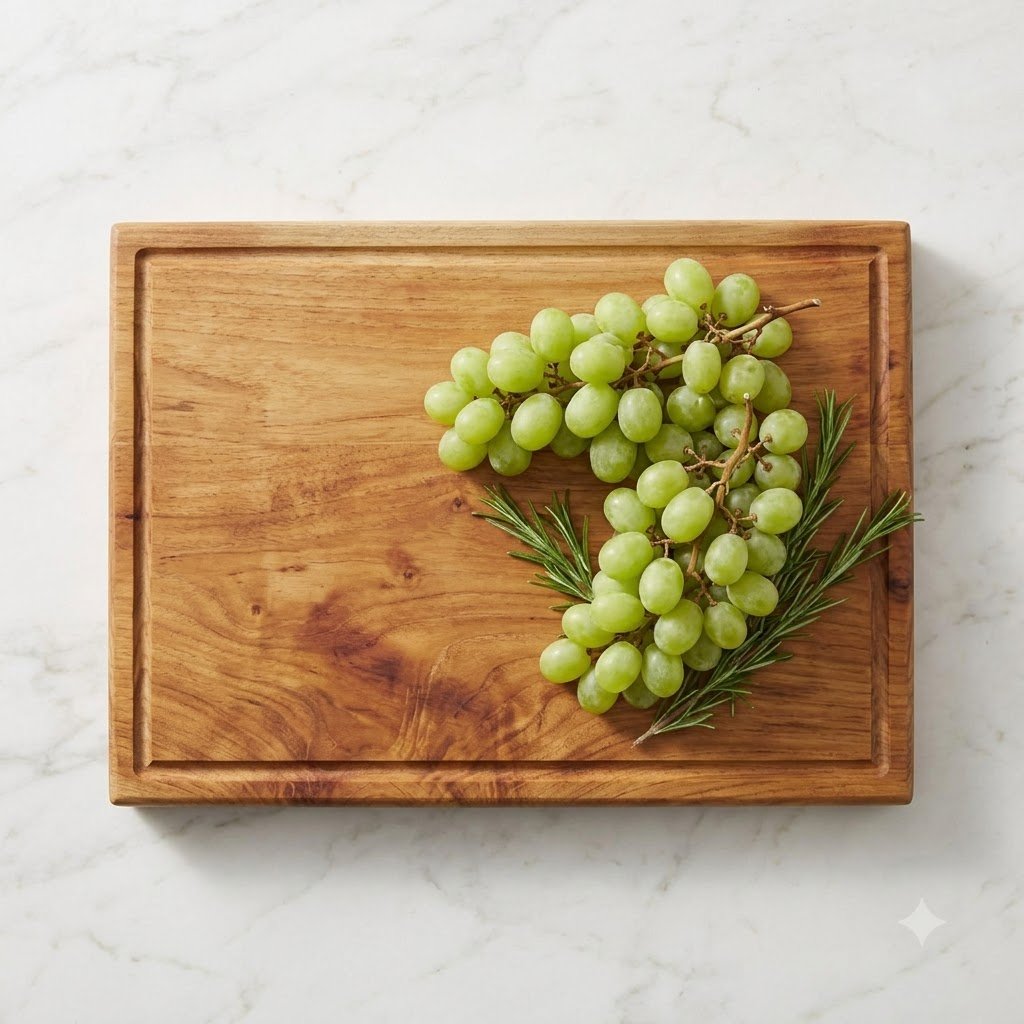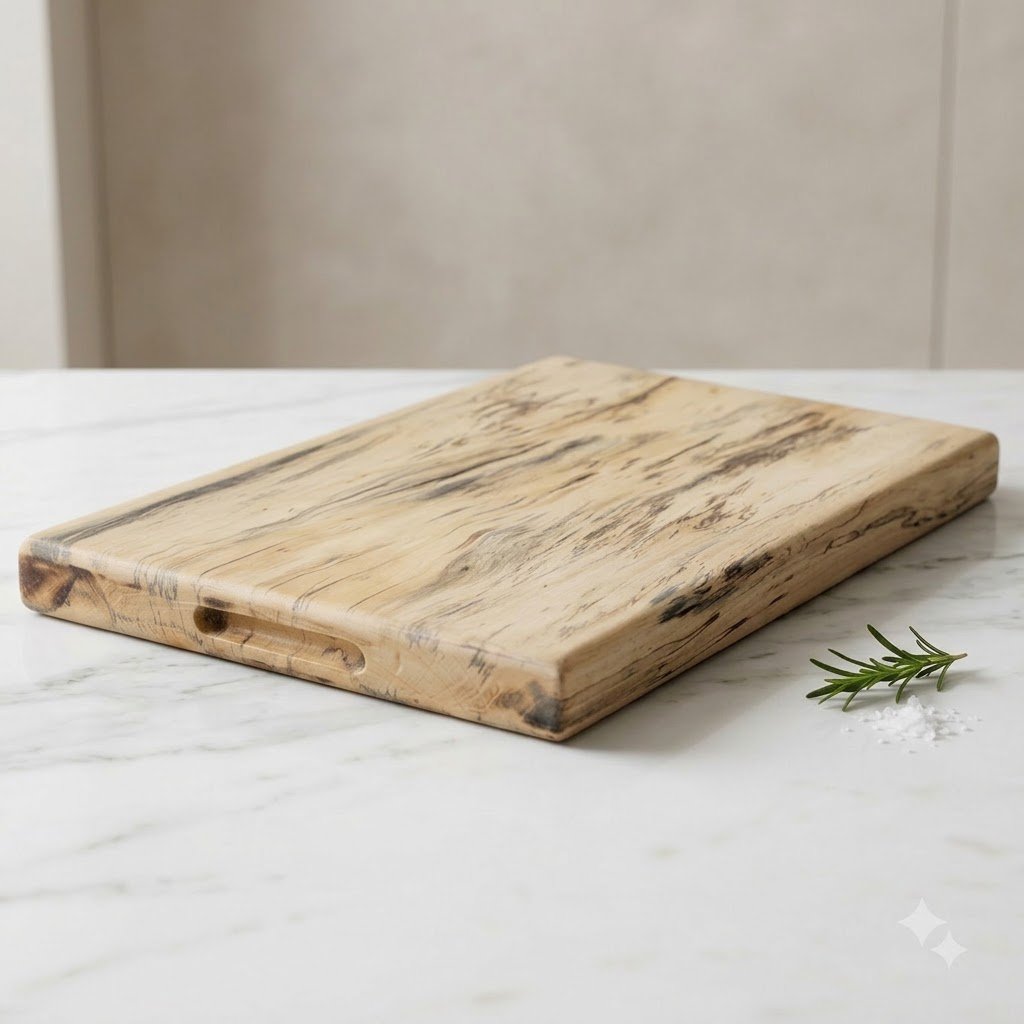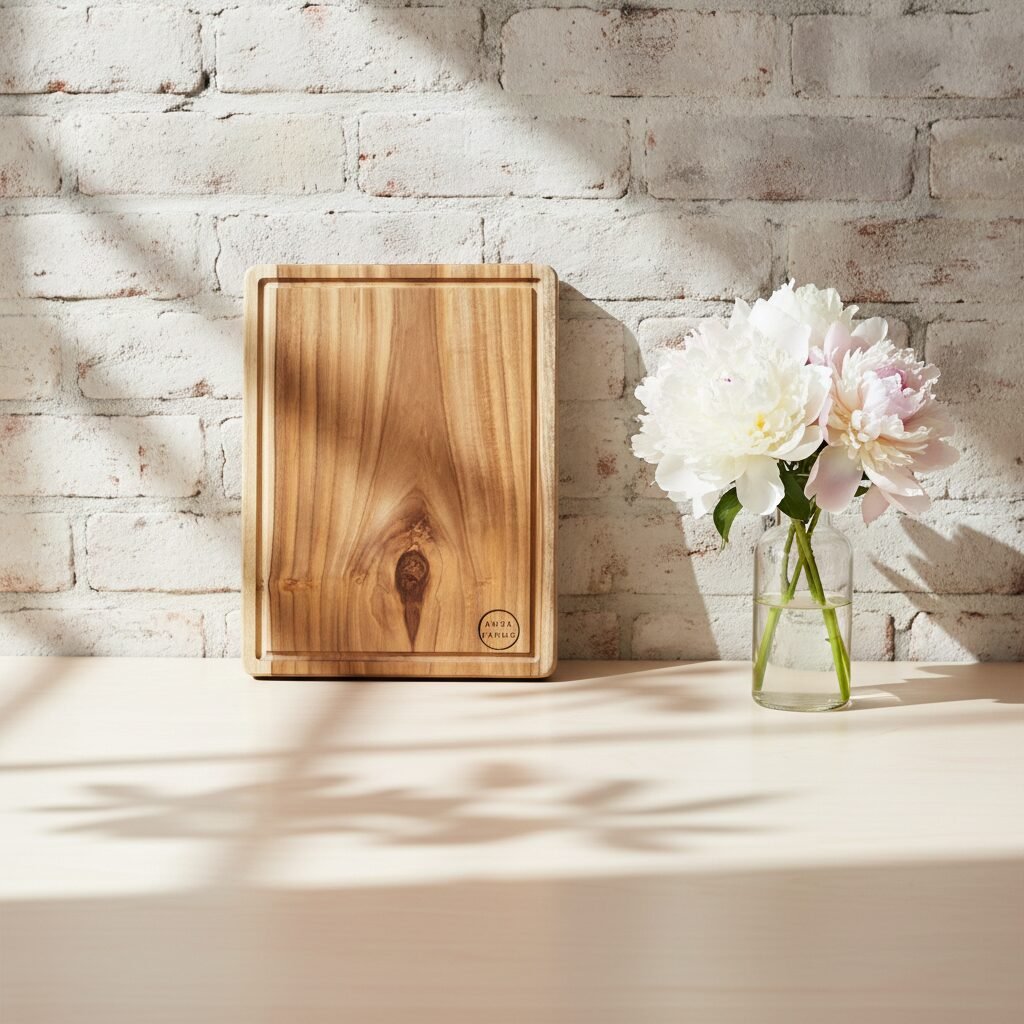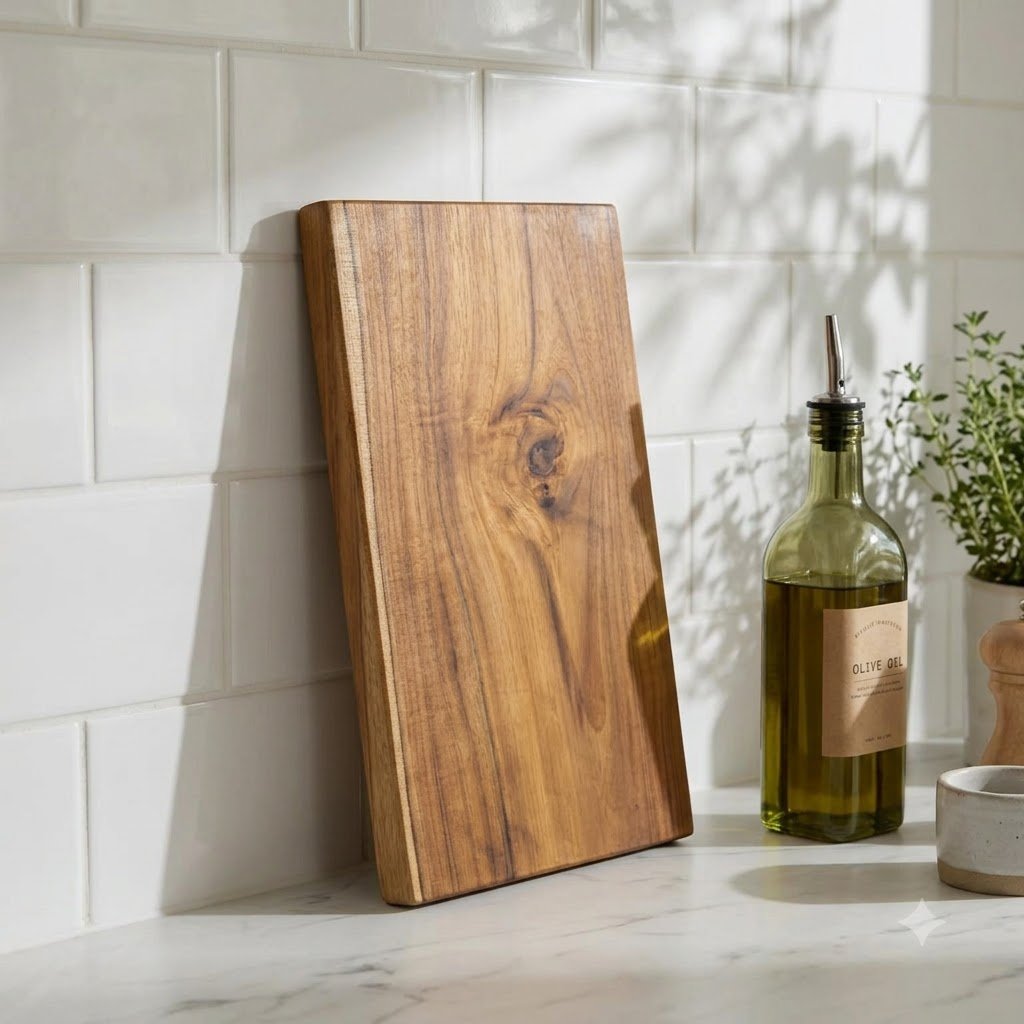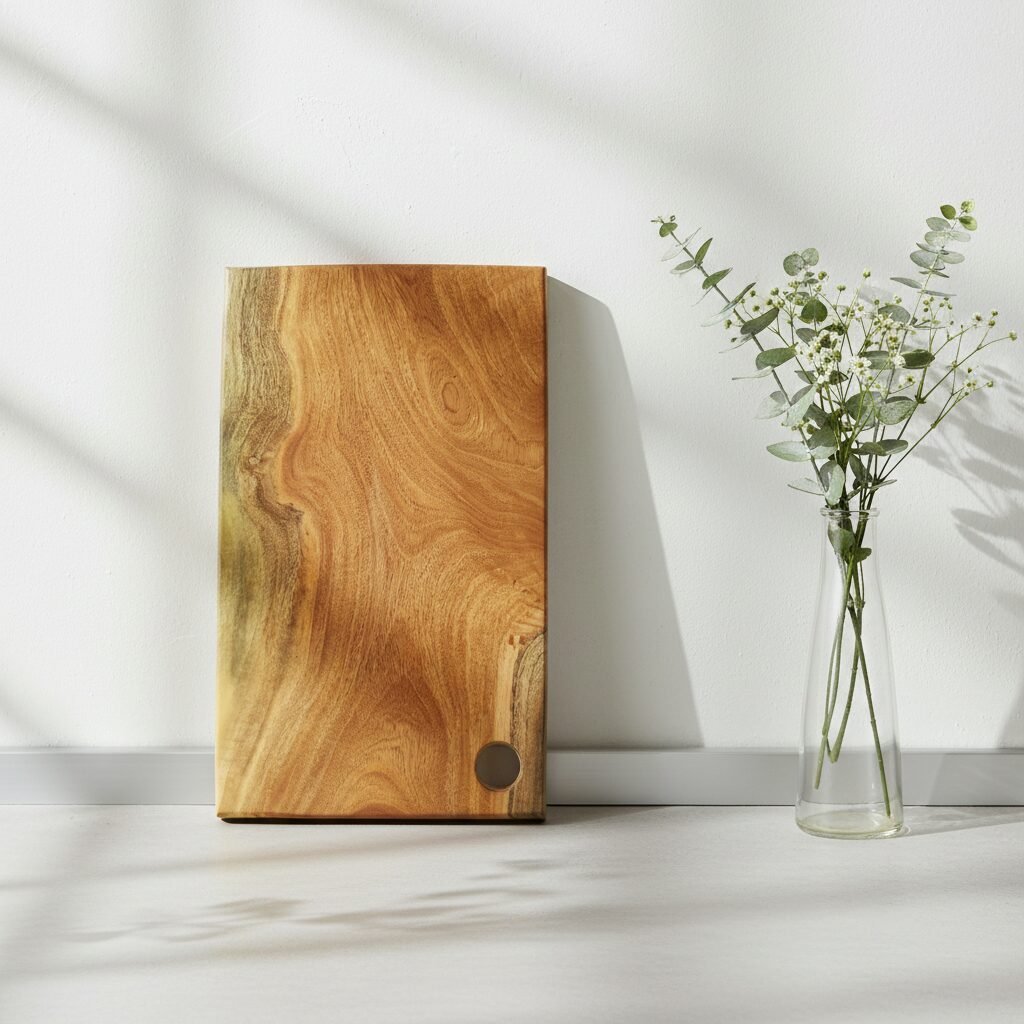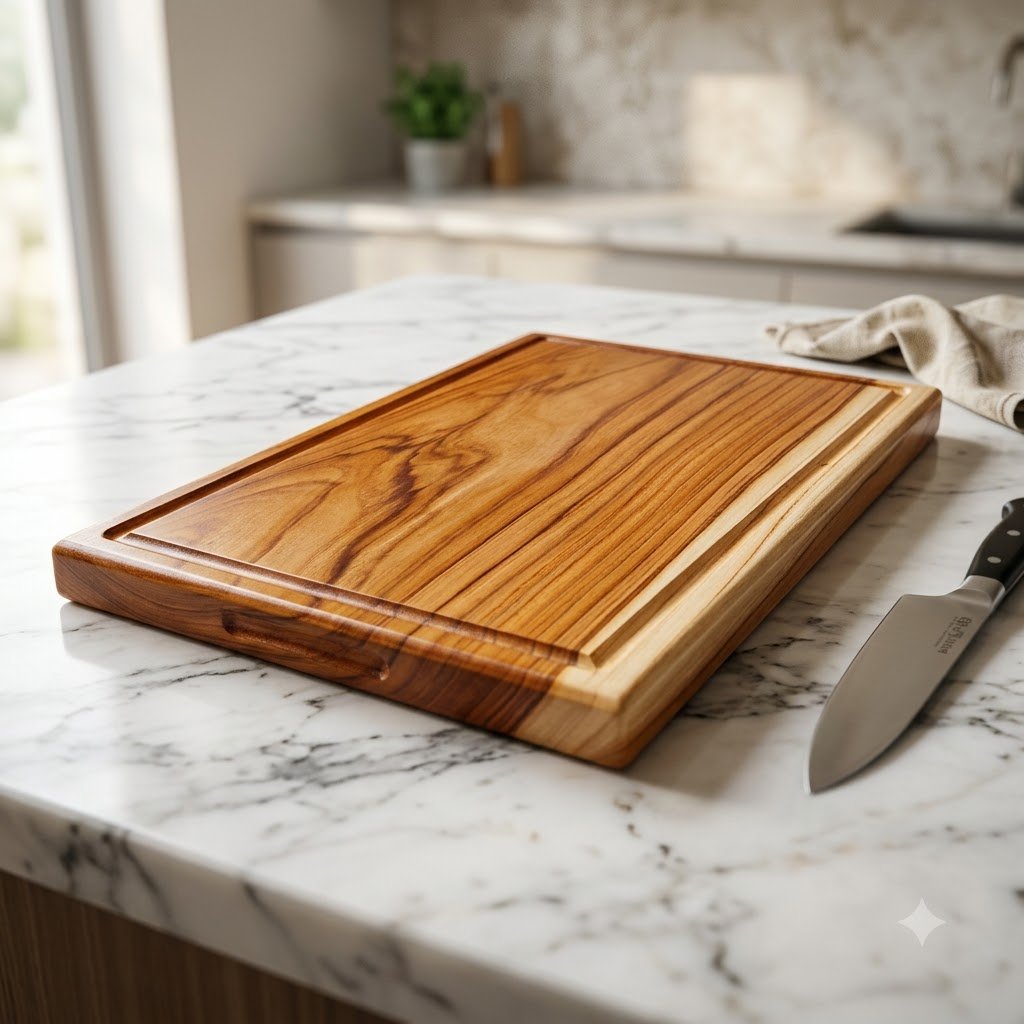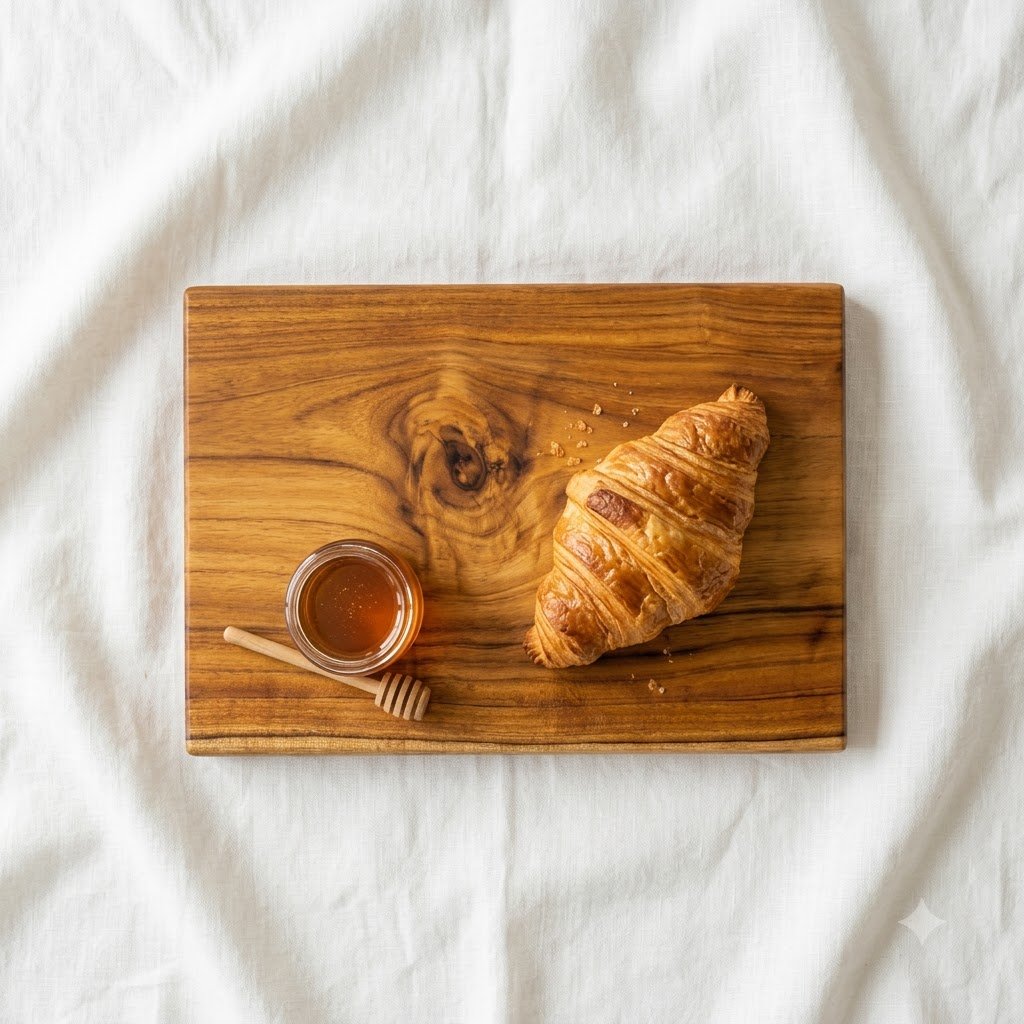
Wooden Vegetable Cutting Boards

Wooden Vegetable Chopping Boards

Why Choose Wooden Chopping Boards for Vegetables?

Wooden chopping boards are not just a classic but a practical, durable, and hygienic kitchen accessory. Unlike plastic boards that often develop deep grooves and harbour bacteria, wooden vegetable chopping boards are self-healing and resist microbial growth. Teak wood, neem and tamarind boards possess natural antibacterial properties that make it safe for cutting vegetables. Wood is also gentler on knives. A knife-friendly cutting surface helps retain the sharpness of your blades, increasing the life of your expensive knives. A well-crafted natural wood chopping board also adds a touch of rustic charm to your kitchen, offering a smooth non-slip surface for vegetable prep. Biodegradable, eco-friendly, and sustainable, wooden chopping boards are considered safe for your home and the environment.


Best Indian Woods for Vegetable Cutting Boards – Teak, Neem, Tamarind & More

At Amra Farms, choppingboards.in we offer the finest hardwood chopping boards that are functional and beautiful. Our vegetable chopping boards are crafted from teak, neem, tamarind, and mango wood.

Teak Wood Chopping Boards

The best wooden chopping boards for vegetables are made from teak. Teak features water resistance, high natural oil content, and durability. Teak wood is the most suited material for a long-lasting vegetable cutting board as they are resistant to warping, cracking, and can handle daily wear and tear. Resistant to moisture and bacteria, with its dense grains and natural oils, teak is the clear winner among all other wooden materials for chopping boards.


Neem Wood – Naturally Antibacterial and Safe

Neem wood cutting boards are known for their incredible antimicrobial properties and are ideal for cutting raw vegetables safely. A chemical-free, food-safe chopping board made from neem is not only light in weight but also an extremely sustainable option. The benefits of neem are well known and do not need an introduction.


Tamarind Wood – Tough and Unique

Tamarind wood is a highly dense hardwood with distinctive grains and very high durability. Tamarind boasts its unique aesthetic appeal and smooth finish. Resistant to knife cuts, tamarind wood is an excellent material for chopping boards suitable for vegetables of all kinds.


Mango Wood Chopping Boards – Affordable and Beautiful

Mango wood chopping boards are very affordable and are popular due to their affordability and striking rustic pattern. Softer than tamarind and teak, mango wood is perfect for chopping vegetables. They are eco-friendly and visually pleasing. Handcrafted mango wood chopping boards in India are often sourced ethically from aged mango trees which are replaced.


Which One to Choose?

For daily heavy use, go for teak or tamarind
For hygienic boards, choose a neem board
For an affordable, stylish yet budget-friendly board, try the mango wood

FAQ

What type of wood is best for a vegetable chopping board?

A type of wood for a vegetable chopping board depends on your usage. If you cook regularly, you would want a chopping board that is light, easy to handle and yet strong. Mango wood is light and perfect for regular use. Teak wood is durable, looks beautiful but slightly heavier. This is a perfect choice for people who don’t mind handling a heavy chopping board. Also, if your kitchen is large, we recommend a Teak wood vegetable chopping board + a Mango wood chopping board to balance between various vegetables you cut.

Are wooden chopping boards safe for vegetables?

Yes. Wooden chopping boards are the safest boards to cut vegetables. They are naturally antibacterial, self-healing and look beautiful without any chemicals or toxins. Plastic is probably on the bottom of the list due to the health hazards it brings, while glass and steel are prone to accidents in the kitchen. Wood is durable, natural and the time-tested option to chop vegetables in a home kitchen.

Can I wash a wooden chopping board in the dishwasher?

No. Wooden chopping boards are not dishwasher safe. This is probably the only drawback of a wooden vegetable chopping board. Wooden chopping boards will bloat, warp and crack if exposed to too much heat and water. Avoid using a dishwasher to clean your wooden chopping boards. We recommend a thorough hand wash with mild soap for a clean chopping board.

How do I clean and maintain my wooden chopping board?

Cleaning our wooden chopping boards is easy. Ensure that there are no food particles stuck to the board. Use the back of your knife to scrape off food particles stuck to the board. Use a mild soap if required and rinse the board thoroughly in warm water. Once you wash the board, dry it with a towel and let it stand vertically to ensure proper ventilation.

How often should I oil my wooden chopping board?

We recommend you oil your board at least once a month or when your board feels dry. Use coconut oil or mineral oil with beeswax to oil your board. When possible, apply oil overnight and let it soak in the oil. Wipe the excess oil in the morning. This ensures the oil soaks into the board providing the extra water resistance required.

Are wooden boards more hygienic than plastic ones?

Wood is definitely better than plastic in terms of quality and functionality. Plastic comes with a lot of health hazards. They tend to accumulate bacteria over the course of time. Wooden boards are naturally self-healing and prevent bacterial growth. They are organic and do not have any side effects on your health.

Can I use one board for both vegetables and meat?

Yes, you can use one board for both vegetables and meat provided you use one side for meat and the other side for vegetables to prevent cross-contamination. Our boards are reversible allowing you to use both the sides. This ensures you need only one board for both tasks.

What size board is best for chopping vegetables?

The size of the board depends on your kitchen. Most families will require a medium-sized board which is 12-15 inches long and 9-12 inches wide. The height of the board should be at least 2 centimeters to prevent warping and cracking. If you are cooking for a large family, we recommend a board which is 18 inches long and 12 inches wide. The thickness of the board should be at least 1 inch.

How long will a wooden chopping board last?

Mango wood will last approximately 4-5 years if cared for. Teak wood will last 8-10 years with proper care. Ensure that your wooden chopping boards are oiled regularly, kept dry and clean for a longer life. Teak wood boards require less care than mango wood and last a lot longer.

Can I sand my wooden board if it becomes rough or stained?

Yes. You can sand the board every 6 months to ensure the board looks new, clean and free from knife marks and scars. Also, sanding ensures that the board does not develop an uneven surface. If you are an ardent chef with more cutting tasks, sand the board when it has too many knife scars. Don’t be shy to sand your board. Sanding only improves the quality of your board and the looks too. Remember to oil your board generously after sanding.

Is a wooden board bad for knives?

Wooden board, on the contrary, is one of the best materials for knives. They are safer than plastic, steel, glass and bamboo. Your knife’s sharpness will be maintained for a longer span than when you use other material.

  • Which Chopping Board is Best for Meat – Comparing wooden chopping boards for Meat

    Cutting meat on a chopping board requires some special attention. Raw meat in particular is prone to more bacteria than vegetables and requires proper cleaning post cutting. Meat can be a cause of a range of bacteria including salmonella, E. coli and more. These bacteria can often transfer to other food, especially raw vegetables cut…

  • Is Teak Wood Safe for Food Use – Facts and Myths on Teak Wood Utensils

    When sourced properly and maintained, teak wood is a food-safe material for specific kitchenware. With its high natural oil content, teak wood provides antimicrobial properties and inhibits bacterial growth. This makes teak wood a hygienic choice over plastic. It is scientifically proven to be food-safe and, traditionally used since ages, teak wood is one of…

  • Reasons Why Wooden Chopping Boards Are Better Than Plastic

    Plastic has been the preferred choice for chopping vegetables and meat in the past decade. Many users have had complaints about plastic chopping boards, yet they go back to plastic boards time and again. Understanding why wooden boards are better than chopping boards and where they excel will give you a clear perspective on both…

  • Guide to Wooden Cutting Boards

    Wooden cutting board Many of us have considered plastic, steel, glass and even stone cutting boards for a minute. Yet we turn to wooden cutting boards in the end. Wooden cutting boards have been in use for centuries. They are time tested, safe and reliable kitchen accessories which is functional, aesthetically pleasing and often doubles…

  • Essential Facts You Must Know Before Buying a Teak Wood Chopping Board

    A teak wood chopping board will last decades. But it’s not about durability alone.Teak wood chopping boards are an investment and just like any other investment, you need to take care of your cutting board too. Regular maintenance, oiling and addressing issues related to the board’s wear and tear should be taken care of promptly.…

  • Choose the Perfect Knife for Your Wooden Chopping Board

    A good knife makes cutting and chopping a breeze. Choosing a knife is not a matter of getting the job done but a lot about convenience too. Most of us, Indian home chefs, are used to a regular knife which we get in a store. Most of our knives don’t cost more than a few…

  • Unique Wooden Chopping Boards with Medicinal Benefits

    Woods have their own benefits. While some woods are great for furniture, there are others which are great for arts and crafts. Some woods are important for their medicinal benefits too. While crafting a chopping board, you need to consider a lot of features like the hardness of the wood, the construction of the cutting…

  • Exotic Woods of India and Its Uses

    India is rich in its flora and fauna. Some of the best trees in the world are found in India and some are even native to India itself. This article focuses on the most exotic woods of India and their specific uses. Not all wood are equal. While some woods are best for furniture and…

  • Best Uses of Teak Wood: Common and Unique Applications That Make It the King of Hardwoods

    Teak wood is considered a valuable and versatile hardwood, prized for its durability and natural oil and water resistance apart from its beautiful grain patterns. Teak wood is considered a versatile wood which is used both in indoor and outdoor applications where strength and longevity and appearance matter. Apart from furniture, Teak wood has some…

  • Chandni Kevaria
    Chandni Kevaria

    2025-05-13

    Google Shopping

    Crafted from 100% naturally aged teak wood, this large cutting board offers unmatched durability and elegance. Perfect for effortless vegetable chopping, it’s a must-have for every kitchen.

  • Aarav
    Aarav

    2024-12-31

    Google Shopping

    “I purchased a teak wood cutting board as a gift for my sister, and she absolutely loves it. The craftsmanship is impeccable, and it’s clear that a lot of care went into making it. The packaging was also very nice, making it a great option for gifting.”

  • Kunal
    Kunal

    2024-12-31

    Google Shopping

    “I chose the mango wood cutting board because it’s sustainably sourced and eco-friendly. The quality is excellent, and it feels good to know I’m supporting environmentally responsible practices. The minimalist design is also very stylish and easy to maintain.”

  • Neha
    Neha

    2024-11-14

    Google Shopping

    “I’ve always been a fan of teak wood, and your cutting board did not disappoint. It has a luxurious feel and performs exceptionally well. The wood grain is beautiful, and it adds a touch of sophistication to my kitchen. It’s a bit of an investment, but it’s well worth it for the quality and durability.”