
Purchasing a wooden chopping board goes beyond aesthetics and durability. When considering a chopping board, most of us overlook common factors including toxicity, food safety, and performance. As a home cook, we understand the importance of a chopping board, but when it comes to purchase decisions we end up buying something based on our budget. One of the most overlooked features of wooden chopping boards is maintenance. When we talk about maintenance, we have to talk about mold and fungus. Mold and fungal infestations are a major concern which deters users from using wooden boards.
Understanding a good wooden chopping board when it is related to fungal and mold growth requires a good understanding of wood, its composition, density, and strength. In India, you will find chopping boards made from Neem, bamboo, teak, tamarind, mango wood, acacia and then comes a long list of “Wooden Chopping Boards” which will never tell you what wood is used. The truth is that many of the woods used in wooden chopping boards are not 100% fungus or mold-free.
Things don’t end there. Fungal growth and mold are also directly related to the area you live in. If you live in places near the coast, where the humidity is extremely high, you have a higher chance of mold and fungal growth as opposed to areas where the weather conditions are dry or cold. Take for instance Gujarat, Rajasthan, or Punjab. Even interior areas of Tamil Nadu, Telangana, Karnataka, and Maharashtra are dry. But if you take the coastal areas of Maharashtra, Karnataka, and Telangana it is humid and moist. This is the same for places like Kerala, parts of Tamil Nadu like Chennai, Kanyakumari, Puducherry, or Goa.
Moist weather conditions promote more fungal and mold. This affects not just your cutting board but your overall home.
When it comes to wood though, there are some woods which are excellent for cutting boards and do relatively well in humid conditions as opposed to dry weather conditions.
#1 Teak wood Cutting Boards:
Shop Teak wood cutting boards
Live Edge Teak Wood Chopping Board 10x16x1 Inch – Wooden Cutting Board
Original price was: ₹3,199.00.₹2,719.00Current price is: ₹2,719.00.Mini Wooden Cutting Board with Handle 20x7x1 inch– Small Rustic Chopping Board
Original price was: ₹2,599.00.₹2,209.00Current price is: ₹2,209.00.Large Luxury Teak Wood Charcuterie Board 18x13x0.75 Inch – Serving Platter Tray
Original price was: ₹3,509.00.₹2,983.00Current price is: ₹2,983.00.

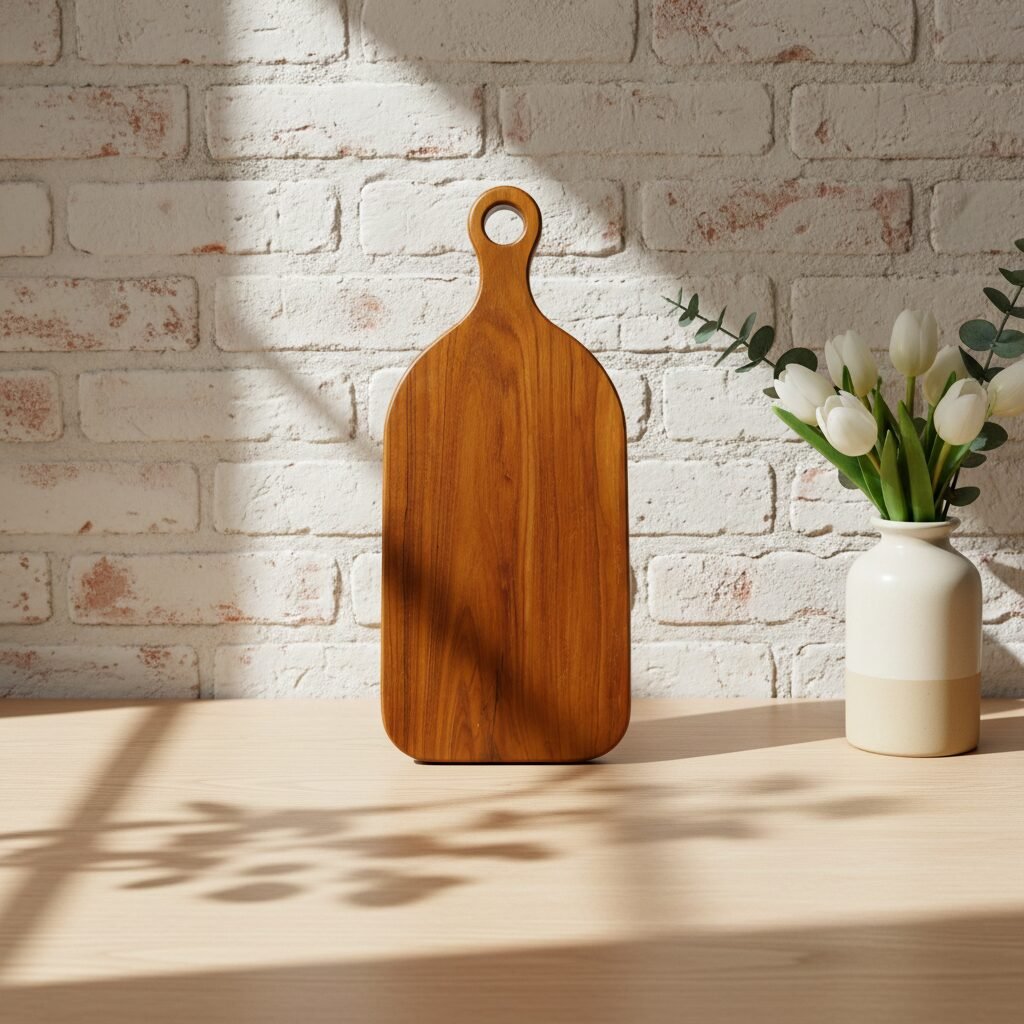

Teak is a dense wood with high natural oil content, making it more resistant to moisture than other woods. It’s also attractive and durable, making it a good material for chopping boards. But don’t be fooled. Even teak wood is prone to fungus and mold if you do not take care of your wooden cutting boards. Teak wood has a naturally high oil content. Its natural oils help repel moisture, which makes mold less likely. With regular use and exposure to water, the oil content will reduce gradually. This is why it is important to oil your Teak wood chopping boards regularly. Oil is the barrier, preventing your Teak wood chopping boards from being infected by mold and fungus. It repels moisture and ensures your board is protected from cracks. Oiling the board also ensures a longer life for your wooden boards. Teak wood cutting boards can last many years if cared for and regularly oiled.
#2 Acacia wood Chopping Boards:
Acacia is a hard wood with a fair amount of natural oil, which gives it some resistance to moisture and mold. Acacia wood is tough, dark, and beautiful. It is not water resistant and the fibers are loose as compared to teak wood which is tight and dense. This is the reason why acacia wood has a lesser lifespan compared to teak wood cutting boards. With acacia wood, you need more maintenance than teak, often double the maintenance. Acacia wood is dark and often prevents stains from being visible giving it a slight advantage.
#3 Tamarind wood Chopping Board:
Buy Tamarind wood cutting boards

Extra Large Single Block Tamarind Wood Chopping Board 16×24 Inch– Wooden Cutting Board
₹3,360.00Medium Spalted Tamarind Wood Meat Cutting Board 10x16x1 Inch – Wooden Chopping Board
Original price was: ₹1,400.00.₹999.00Current price is: ₹999.00.Single Block Tamarind Wood Butcher Block 16x10x1 Inch – Wooden Cutting Board
Original price was: ₹1,400.00.₹999.00Current price is: ₹999.00.
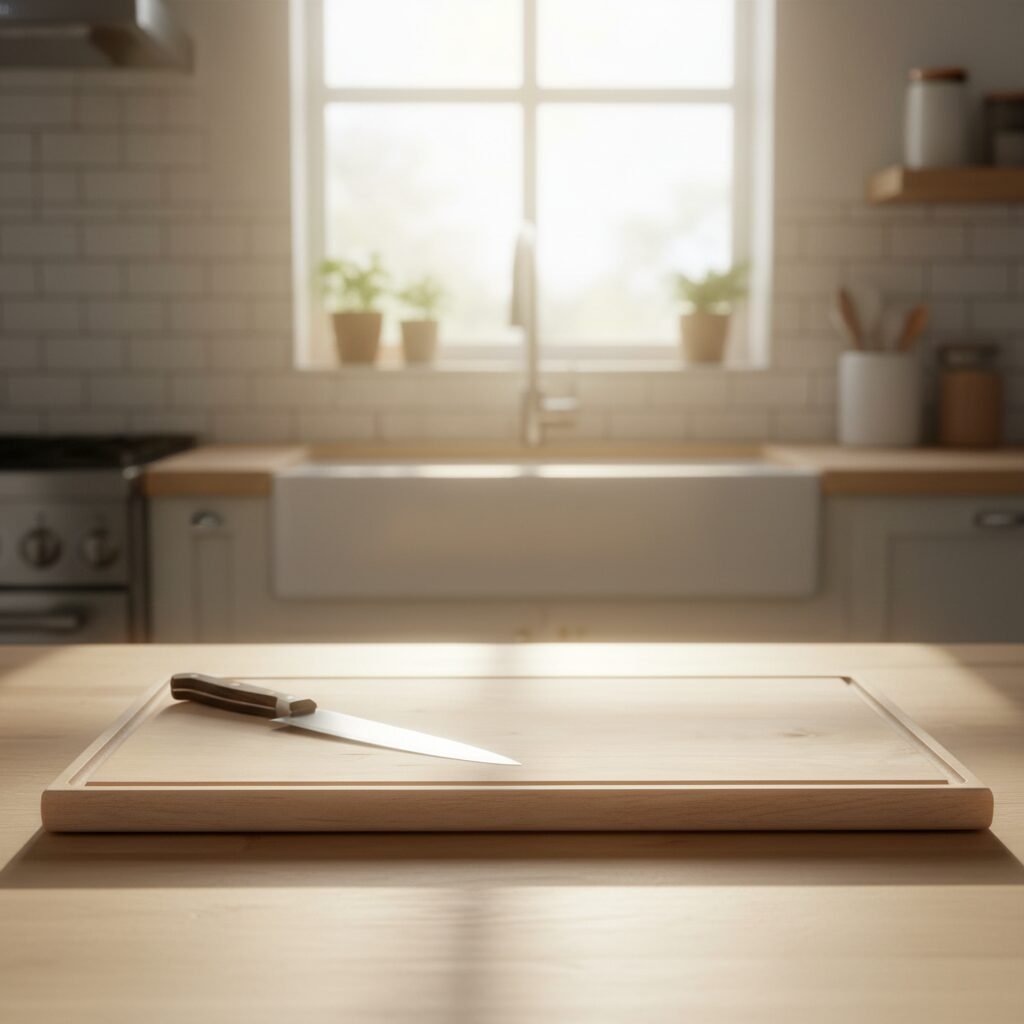
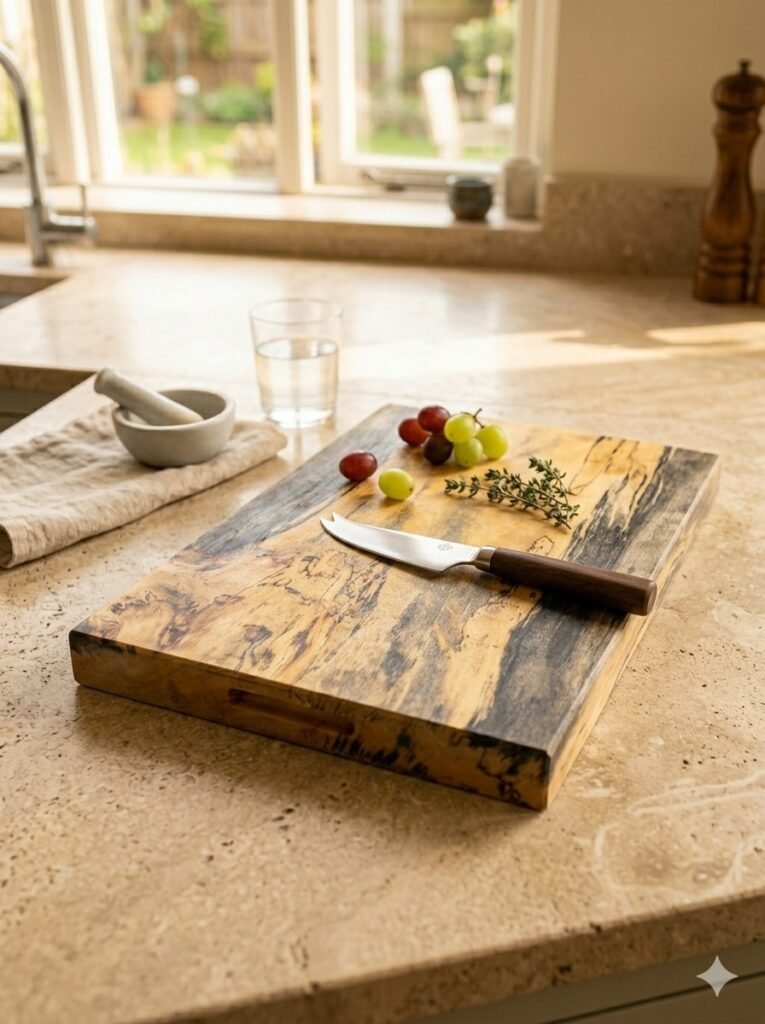
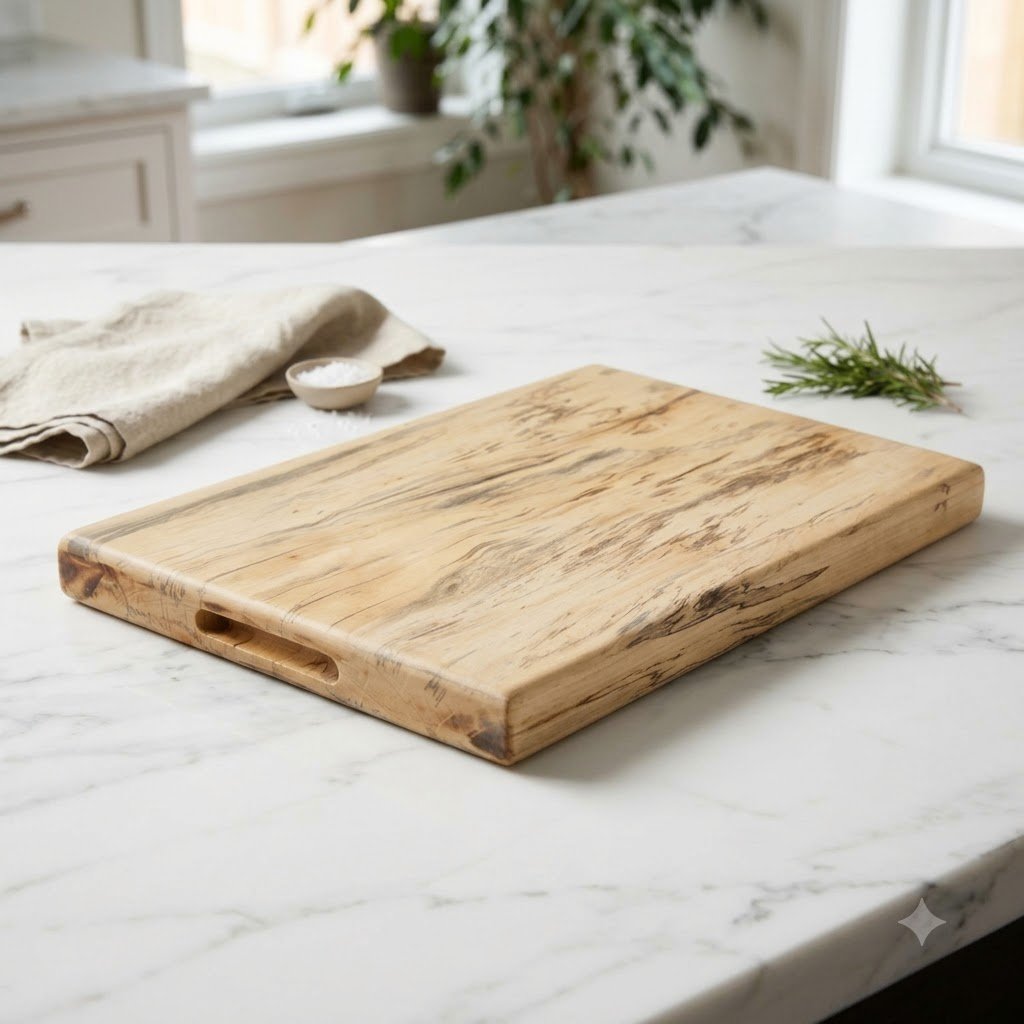
Tamarind is a dense, tight-grained wood that resists water well. Tamarind wood chopping boards have little natural oil, so oil them regularly and keep them dry to reduce the chance of mold. Durable, resistant to cracking, and long-lasting, tamarind wood cutting boards are affordable options for your kitchen.
#4 Hinoki wood Chopping boards:
Hinoki wood is a Japanese wood known for its pleasant aroma. Traditionally used in baths and saunas, it is a soft wood. They are good to use with expensive knives and keep the knife edges sharp for long ensuring durability for your knives. Compared to other woods, Hinoki is soft and should not be used for chopping dense food.
#5 Neem Wood Chopping boards
buy neem wood cutting boards
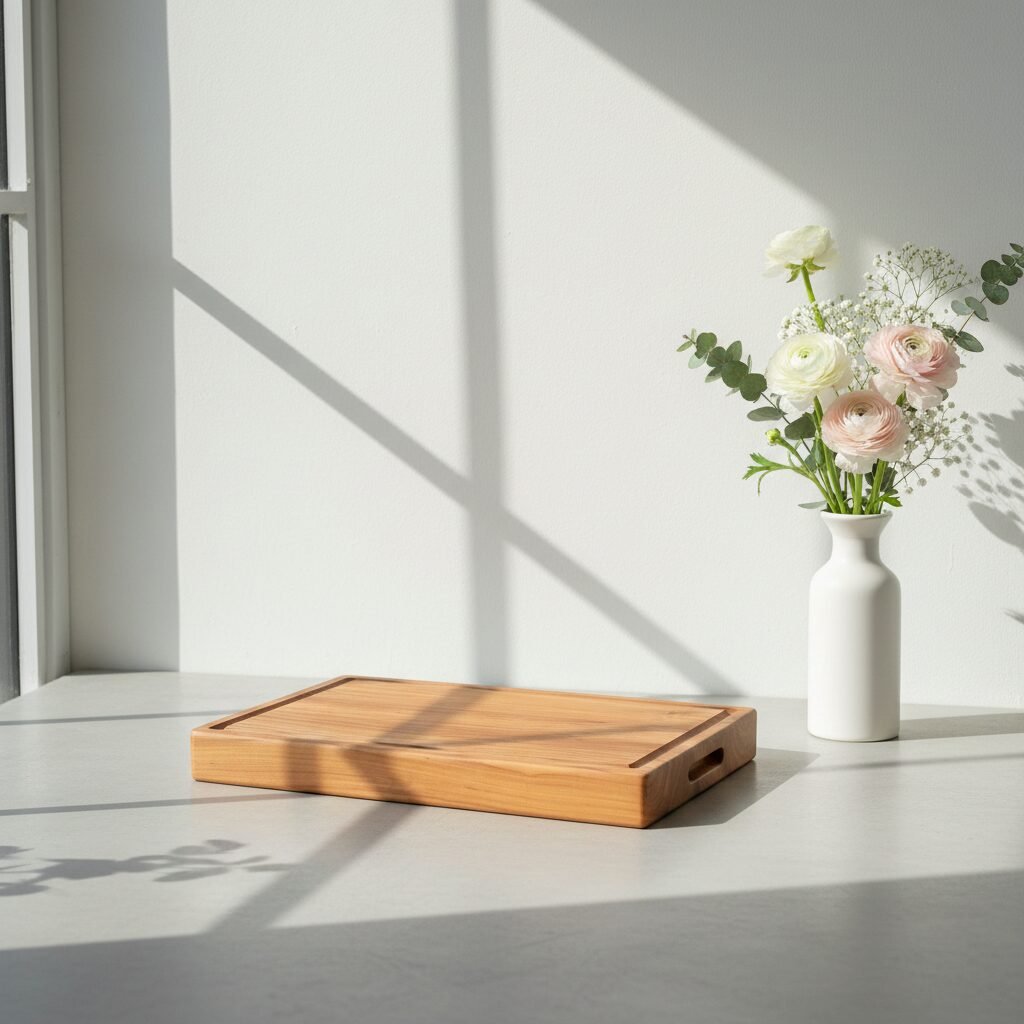
Neem wood chopping boards are hard, durable and affordable. Neem lacks natural oil, so oil the board regularly and dry it thoroughly after washing to reduce the risk of mold and cracking. Wash well after cutting raw meat.
Other woods used for chopping boards
Hard maple, walnut, cherry and beech are also popular, tight-grained woods for cutting boards. They are not so common in India.
Woods that need extra care:
One wood that needs extra care is mango wood. Mango wood can be more prone to mold and fungal growth. They have loose grains and are low in natural oil content. They are lightweight and good for use in dry areas but needs extra care in humid conditions. They also require regular maintenance which is higher than teak and tamarind wood. Oiling the board weekly helps reduce the risk of mold growth.
How to clean your cutting board with mold and prevent them from appearing again:
Wash the board thoroughly with mild soapy water. Do not use a steel scrub though you may be inclined to when you see the fungal and mold on the surface. This damages the surface of the board and makes it dry. Use a mild soap and sponge. If needed, wash twice. There may be spots and stains on the board. We will work on it in the next step.
A board with fungal stains and mold can be cleansed with a lemon and salt scrub. Use coarse salt and scrub the board thoroughly. Ensure you cover both sides and even the edges to give the board a very clean look. You can sprinkle baking soda immediately after you have scrubbed the board thoroughly. Do not rinse the board. Simply add a generous amount of baking soda to the surface and use the lemon to scrub off. The surface of the board should turn foamy during this process and bubbles form.
Rinse the board thoroughly after a minute. You should see a neat board unless it is very heavily affected. In that case, you may need to use a 120-grit sandpaper followed by a 320-grit sandpaper to sand your board. This may take time. Sand your board after it is thoroughly dry. Once dry, sand it first with a 120-grit paper along the grains and follow up with a 320-grit for a smooth finish. Once done, oil the board thoroughly.
If you want to prevent mold from coming up again, ensure your boards are washed immediately after use and dried with a dry towel. Leave the board upright and ensure you oil the board at least once a week and if needed more.
The best oils for wooden cutting boards:
When it comes to oiling a wooden board you should choose your oils wisely. One of the most commonly available oils includes coconut oil and other vegetable oils. Most of these oils are not suitable for oiling your cutting board. Oils that are pungent and leave a taste should be avoided completely. This includes mustard oil and regular coconut oil. We recommend fractionated coconut oil but that’s not the only option.
- Tung oil: Not widely available in small quantities. Pure tung oil (not a finish blend) forms a water-resistant layer on the wood.
- Linseed oil: Food-grade raw linseed oil also protects against moisture, but it is less durable than tung oil and is often combined with it. Never use boiled linseed oil, which contains additives.
- Soybean oil: Cooking-grade soybean oil is a safe, easy alternative.
- Coconut oil: Fractionated coconut oil is recommended because it stays liquid and does not go rancid. It is readily available in most stores in India. Make sure any oil you use is food-safe.
- Mineral oil: Food-grade mineral oil is not a natural oil, but it is widely used because it stops the board from drying out and cracking.
- Beeswax: Technically not an oil, but is a great conditioner for your wood and helps seal the wood surface reducing moisture penetration and mold risk.
FAQ
How to avoid and prevent fungus on a wooden chopping board?
The reason for fungus is moisture. Moisture allows fungus to grow. Keeping your cutting board dry will prevent wooden cutting boards from fungal problems. If in a moist area, and if your board does not dry even when wiped clean with a towel, try placing the board in a well-ventilated area. Choose an area with a running fan to dry the board naturally. Do not oil your board when it’s wet or moist.
Which wood is best for a cutting board?
Dense, tight-grained hardwoods such as teak, neem and tamarind are good choices because they resist moisture and knife marks. Teak is a popular pick in India, as it is durable and has no strong taste or smell that carries over to food. Whichever wood you choose, wash the board with hot soapy water after use and let it dry completely.
Are wooden chopping boards naturally antibacterial?
Not exactly. Some studies have found that bacteria on a wooden board can be drawn into the wood and become harder to recover, but this does not make a board germ-free, and every board needs proper cleaning. Dense woods such as teak, with tight grain and natural oil, absorb less moisture than loose-grained woods, which helps keep a board cleaner. Always wash with hot soapy water after use, especially after raw meat, and dry the board fully.
Which is the best cutting board?
Wood is gentler on knives than steel or plastic, and a well-cared-for teak board is durable, moisture-resistant and attractive.
Is bamboo a good cutting board material?
Bamboo boards are lightweight and affordable, but they are glued from strips, can split along the joints, and can dry out and crack over time. Like any board, they need proper washing and drying.
Can wooden cutting boards get mouldy?
Yes. Any wooden board can grow mold if it stays damp. Dense, naturally oily woods such as teak tend to absorb less moisture, while lighter, looser-grained woods need a bit more care. Washing the board, drying it thoroughly and oiling it regularly greatly reduces the risk of mold.