
Plastic has been the preferred choice for chopping vegetables and meat in the past decade. Many users have had complaints about plastic chopping boards, yet they go back to plastic boards time and again. Understanding why wooden cutting boards are better than plastic chopping boards and where they excel will give you a clear perspective on both the products and why wood excels not just in beauty but also in performance.
Here are some compelling reasons why wooden chopping boards are better than plastic ones.
Shop For Single Block Teak Wood Chopping Boards
The best teak wood edge grain chopping boards are now in a single block. No joints, adhesives, or chemicals. 100% organic and food safe for luxury kitchens
1. Naturally Antibacterial
Wooden boards are naturally antibacterial. The chemicals in wood prevent bacterial growth. While many in the past have debated about wooden boards and their hygiene, research indicates wooden chopping boards are far more antibacterial than most of us would want to believe. Some wooden chopping boards, like teak wood chopping boards for instance, are far more antibacterial than other woods, but almost all wood is antibacterial to some degree. Plastic boards, on the other hand, harbor microbes inside knife grooves and become a hotbed for bacterial growth.
2. Durable and Long Lasting
Plastic chopping boards last anywhere between 6 months and a year. Wooden chopping boards last anywhere between 3 years and 30. Some wooden chopping boards, specially made from hardwood like teak and tamarind, are known to last up to 50 years. When you use a plastic board, you will eventually see knife marks on them. This will result in darkening of the boards. They are also not stain resistant. All these problems accumulated will result in a dirty-looking board. Wooden chopping boards, on the other hand, do not face problems like stains and, if they do, they can always be corrected.
3. Gentle on the Knives
Wooden chopping boards are kinder on knife edges and maintain sharpness for longer than plastic boards. Plastic boards may seem soft but are hard on knife edges, wearing the sharpness of the knives faster. Professional knives, especially thin ones, will wear out faster on a plastic board compared to wooden chopping boards. Wooden chopping boards, especially end-grain cutting boards, are known to be very knife-friendly, often keeping knife edges sharper by 2 times compared to plastic boards.
4. Self-Healing Surface
One of the unique properties of a wooden chopping board is its healing capacity. Wooden chopping boards heal themselves from cuts. Constant cuts can cause scratches on the boards, which leave space for bacteria to thrive. Wooden cutting boards, being fibrous, heal the cuts naturally. Plastic, on the other hand, is not self-healing and the knife grooves keep growing bigger, providing space for food to lodge in them, creating an unhygienic cutting surface.
5. Ecofriendly
Wooden chopping boards are ecofriendly. Unlike plastic boards, which serve the purpose for a year and are dumped in an already huge pile of waste that will take thousands of years to disintegrate, wooden boards are natural and ecofriendly. Disposing of them is easy and they can also be recycled for smaller art projects when their purpose is served.
6. Does Not Melt or Warp
Wooden boards are tough and resistant to heat. A thick wooden cutting board can be used as a trivet to place a hot plate or a pressure cooker straight off the stove. In most cases, the wood will not warp easily. That is also the reason you see a lot of trivets made from wood. Plastic, on the other hand, warps gradually and will melt if you put a hot object on top of it. Wood is more robust and stable in a kitchen area where heat and moisture are high.
7. Generally Safe
Wooden boards are generally safe. They are chemical-free and BPA-free. Some wooden chopping boards are treated with chemicals, but these are rare. Most wooden chopping boards come free of chemicals. Plastic, on the other hand, is harmful and the chances of microplastics in food, especially when used repetitively, are high.
8. More Hygienic Over Time
Most products deteriorate over time. Wooden chopping boards, on the other hand, may look worn out after regular use but maintain their quality and hygiene throughout. Plastic boards, on the contrary, deteriorate over time, with scratches forming on the surface, harboring bacteria over time.
9. Strong Aesthetic Appeal
Wooden chopping boards look good. They are definitely more appealing than plastic and steel boards, which are often bland and come with no aesthetics at all. Wooden chopping boards always lighten up your kitchen, adding a rustic feel or elegance depending on the wood. Teak, for instance, is a symbol of luxury and elegance in the kitchen. Mango wood, on the other hand, is a rustic wood that gives you a farm feel.
10. Better for Heavy-Duty Chopping
Wood can withstand heavy chopping. Dense wood like tamarind and teak is time-tested and has been used for ages in the kitchen. They are adept at hard cuts and can self-heal, making them the best material for hard chopping. Commercial kitchens and even butchers prefer wooden chopping boards for a reason. The reason is that wood is more durable and withstands heavy chops easily, unlike plastic and steel, which are known to make a lot of noise and are not as durable.
11. Ideal for Food Presentation
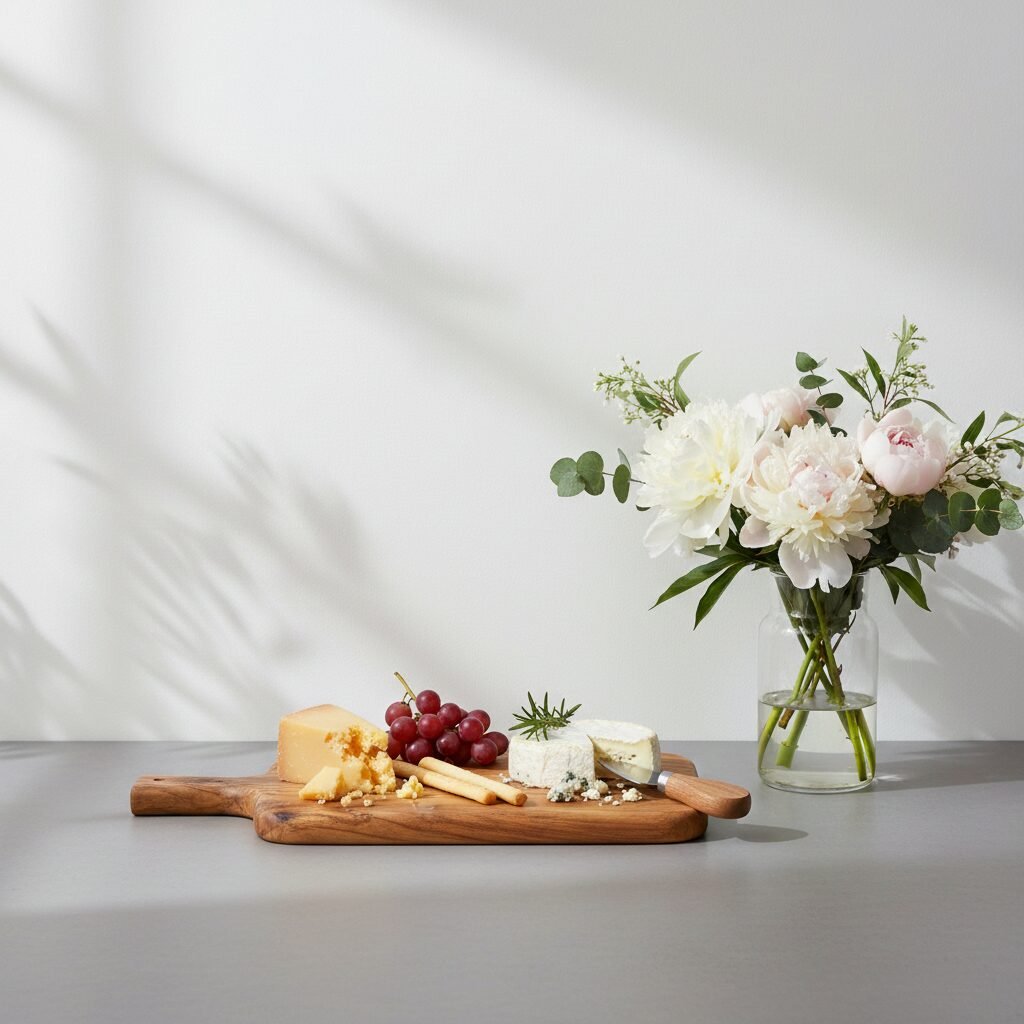
Wooden chopping boards go a step further and double as a serving platter or tray. Serve cheese, bread, fruits, or charcuterie on a wooden chopping board. It is not just functional but food-safe and pleasing to look at. The use of a wooden chopping board as a tray is not new and is both functional and aesthetically pleasing.
12. No Plastic Odor Retention
Plastic is often known to retain food odor. Foods like onion, garlic, and fish smell, and the odor is carried forward even after washing. With wooden boards, odor retention is very less. Wooden boards are self-healing and antibacterial. Though porous, wooden boards do not retain the smell of food. Even with food that has a strong odor, a good wash of a wooden chopping board will remove all odors.
13. Resistant to Knife Marks
Wooden chopping boards hide knife marks better, keeping the surface cleaner and smoother for a longer time. This is due to the self-healing nature of wood. Plastic boards are often prone to scratch marks that cannot be removed. Steel too is known to have a lot of knife marks over time. Wood is not completely scratch-proof, but it hides the marks effectively. What is better is that wood can be resurfaced to make it look new when there are a lot of knife marks.
14. Natural Grains for Better Grip
Most boards are smooth. Some come with small dots on them for better food grip. While this may seem good for a while, they often create problems in cleaning plastic boards. Steel boards are often smooth. Wooden boards, though smooth, have grains in them that can hold food in place while cutting, preventing slipping of food. This is natural and safe too.
15. Ages Beautifully
Wood ages over time and ages well. Teak, for instance, is golden brown and turns darker over time. Most wood turns dark due to oxidation, and this is not bad. You actually see a significant difference in the wood’s feel and its rich grains over time, giving it a different appeal altogether. This is a significant difference from other materials where they deteriorate over time, while wood becomes better over time as it ages.
16. Can Be Repaired
Wooden chopping boards can be easily repaired. Good sanding and smoothing of the surface will ensure a new board. This is not possible with a plastic chopping board, which is often discarded when there are too many scratch marks on the surface.
17. Heat Resistant
Kitchen areas are often hot due to stoves and ovens. This may result in accidents like leaving your cutting board over a hot pan or placing a hot pan over the board. Plastic boards often melt or warp with extreme heat. Wooden boards are heat-resistant and often double as a trivet to place hot pots. It is safe to place hot objects on your cutting board, while the same cannot be said for a plastic board or even glass.
18. Stable Cutting Surface
Wooden boards are often at least 1 inch thick, with most wooden boards being around 3/4 of an inch. This provides a stable cutting surface and a perfect wrist-resting position while cutting food. Plastic and steel boards are often thin, up to 5 mm in plastic and not more than 2 mm in steel. There is no balance in cutting while using a thin board, while a thick wooden block provides balance and ensures reduced slipping of food and the board.
19. Unique and Natural Patterns
Each wood is unique and each board is different. There are no two boards that look the same in wood. Natural wood cannot be replicated. The beauty of wooden chopping boards is their uniqueness. Plastic, steel, and glass boards are bulk-manufactured and have the same pattern. If you are looking for something unique, wood is the only perfect option. Even with the same design on 1,000 boards, you will find each board different.
20. Sustainable Product
Wooden chopping boards are often sourced from sustainable and ethical sources. The wood is not just cut, but replanted almost immediately or even before cutting. Unlike plastic, which pollutes, wooden chopping boards are sourced from sustainable and responsible sources.
