Many of us have considered plastic, steel, glass and even stone cutting boards for a minute. Yet we turn to wooden cutting boards in the end. Wooden cutting boards have been in use for centuries. They are time tested, safe and reliable kitchen accessories which is functional, aesthetically pleasing and often doubles as a tray or a cheese board. Some woods are better than the others but in general, wooden boards are considered far better than most other material for various reasons. Before you purchase your next wooden cutting board, let’s answer a few questions, some which are important to make a purchase decision.
What is the best wood for a cutting board?
In general all wooden cutting boards are better than any other material, but teak wood cutting boards are considered the gold standard of wooden cutting boards. They are a package of all good things in one material. Teak wood cutting boards are naturally antibacterial, have high oil content, is moisture resistant and is durable. To top it all, teak wood cutting boards are beautiful. These are functional kitchen accessories with beauty. While most other wood will excel in some areas, teak wood chopping boards excel in all areas in terms of features and beauty, making it one of the best wood for cutting boards.
Are wooden chopping boards healthy
Recent researches indicate that wooden chopping boards are healthier than plastic and safer than stone, glass or stainless steel. Wooden chopping boards are self healing, antibacterial and resistant to cross contamination if maintained properly. The degree of safety varies from wood to wood. For instance, teak wood is considered one of the safest wood to cut on, while mango wood is considered more porous and suitable for vegetables. The oil content also plays a major role in the safety of the cutting boards. When it comes to health benefits, some wood like Amla and Jamun wood are known to help with diabetic conditions when in contact with food, though this is not proven.
What wood to avoid for a chopping board
The market is flooded with a wide range of wooden chopping boards. Knowing the right wood is key. Any softwood should be avoided. This includes Deodar, Pine, Cedar, Spruce and Poplar. Also ensure that the wood you choose are non-toxic. Some wood are naturally toxic. This includes wood like Cashew wood which can induce irritation, East Indian Rosewood, Hemlock and Mansonia. Some species of walnut wood are also known to induce allergies but this is mostly related to dust from the wood and not from chopping food on it.
What are some negatives of wooden chopping boards
The problem with wooden chopping boards is understanding the wood itself. While some wood may look good, identifying the right one is key. Wood like teak, acacia, tamarind, and mango wood are great for wooden chopping boards but knowing the right wood is key. Choosing a wood which may be of cheaper quality will lead to issues in the later stage. Also understanding the construction of the wooden chopping boards helps in knowing what you can cut, the life of the board and more. Wooden chopping boards are also maintenance hungry. They require oiling once a week or once a few weeks. You need to sanitize them and keep them dry and clean at all times. They are not dishwasher safe either.
Do chefs use wooden chopping boards
While restaurants have rules and laws prohibiting wooden chopping boards, all chefs use a wooden chopping board personally at their own homes. The most common woods used by chefs include teak, maple and walnut. Very rarely do chefs use bamboo boards at all. Plastic boards are not used at all. Steel cutting boards, glass and stone boards are not suitable for chefs’ expensive knives and chefs avoid it completely. Wooden chopping boards, specially edge grain cutting boards are chefs’ favourite. Though end grain wooden chopping boards are better for knives, edge grain wooden chopping boards are far more aesthetic, has a better performance and is known to be efficient to handle and maintain, making it one of the first preferences for chefs.
Does wooden cutting boards hold bacteria
The reality is that wooden cutting boards hold very less bacteria. With the natural features of wood, high oil content and self healing properties, bacteria usually do not survive in wood for more than a few minutes. Wood with high oil content are known to be more antibacterial. Teak wood for instance is known to be highly antibacterial, killing bacteria in seconds. Plastic boards on the other hand are known to be unsafe and hold more bacteria over time. Even regular cleaning and washing will not prevent bacterial growth in plastic boards that are old and have a lot of scratches on the surface. The other material that are safe and do not hold bacteria include steel, glass and stone. Steel cutting boards are becoming popular due to their hygiene and social media influence.
What to look for when buying a wooden cutting board?
Wood varieties are wide. There are at least 5 common, known wood varieties in the market that are used for cutting boards and a lot more unnamed varieties. Knowing the right wood is important. Look for a dense wood. Wooden boards that are heavy, with tight grains are your best choice. Avoid softwood. When choosing a wooden chopping board, try to find either teak, acacia or walnut for premium boards and tamarind or mango wood for a budget range. The other features to look for are single block chopping boards. Joint boards have a shorter lifespan.
Why should you not cut meat on a wooden cutting board?
This is a popular misconception. Wooden chopping boards are much safer than plastic boards. A lot of controversy revolves around the fact that wood is porous and can absorb the liquid in the meat, creating cross contamination. In reality, wooden boards are self healing. Though porous, they are also antibacterial. The oil content in wood like teak help deter bacterial growth effectively. Wooden boards have been used for generations in India for cutting meat. Popular butcher blocks are created from tamarind wood and they last decades with minimal maintenance. Wood is time tested for cutting meat.
What are some common mistakes to avoid when using a wooden chopping board
The most common mistake most people make is dishwashing a wooden chopping board. Wooden chopping boards are hand wash only products. They are not dishwasher safe. Avoid soaking your board in water. This results in bloating of the wood and eventually cracks the board. Wooden boards usually last anywhere between 5 years to 50 years depending on the wood. If your wooden board looks bad and has a lot of scratches after a year of use, you can resurface them. Most people throw away their boards just because there are scratches. A wooden board is an investment.
How often should I sanitize a wooden chopping board
Sanitizing a chopping board depends on the use of your board. If you cut meat frequently on your board, aim to sanitize it once a week. If you cut raw meat, avoid cutting any vegetables or ready to eat food after you cut meat on the board. Use both sides of a wooden board if you cut raw meat, one for meat and the other chopping board for vegetables. This prevents cross contamination. Sanitization should be done when the board either starts to feel smelly or if they look dark, with scratches, mold or fungus.
Why don’t restaurants use wooden cutting boards
While wooden cutting boards are common at homes, restaurants are required by law to use color coded boards. These are usually in plastic. They are not prohibited from using wooden chopping boards but most restaurants do not use wooden chopping boards due to the maintenance requirement. Some countries do prohibit wooden chopping boards in commercial kitchens.
Can you pour boiling water on a wooden cutting board?
While a quick rinse with boiling water is not damaging to wooden chopping boards, soaking it in hot water or exposure to hot water for longer period is not recommended. Soaking a board in hot water opens up the pores and expands the wood making the fibers loose. This shortens the life of the board.
When should i replace my cutting board?
All cutting boards should be replaced if they are full of knife marks and cannot be repaired. Fortunately Wooden chopping boards can be repaired. This makes it one of the most valued boards in the list. Wooden boards can be resurfaced even when they are full of scares and refurbished to a new board!
Best Single Block Chopping Board – Premium Cutting Boards in Teak
A single block chopping board is a perfect choice for those who value exceptional craftsmanship, durability, and the natural beauty of solid wood. Unlike boards made from multiple pieces of wood joined together, a single block chopping board is carved from one carefully selected piece of hardwood, showcasing the beauty of the wood’s unique grains…
Is Teak Wood Safe for Food Use – Facts and Myths on Teak Wood Utensils
When sourced properly and maintained, teak wood is a food-safe material for specific kitchenware. With its high natural oil content, teak wood provides antimicrobial properties and inhibits bacterial growth. This makes teak wood a hygienic choice over plastic. It is scientifically proven to be food-safe and, traditionally used since ages, teak wood is one of…
Spalted Tamarind Wood Chopping Board – Wild, Beautiful and Unpredictable
Tamarind wood is naturally white with a yellow tint. It is beautiful, tough, and usually known for its marble-like grains, which are visible when you look carefully. Spalted tamarind wood, on the other hand, is captivating, with unique patterns and rich tones derived from the tamarind tree. The wood combines the natural beauty of controlled…
Reasons Why Wooden Chopping Boards Are Better Than Plastic
Plastic has been the preferred choice for chopping vegetables and meat in the past decade. Many users have had complaints about plastic chopping boards, yet they go back to plastic boards time and again. Understanding why wooden cutting boards are better than plastic chopping boards and where they excel will give you a clear perspective…
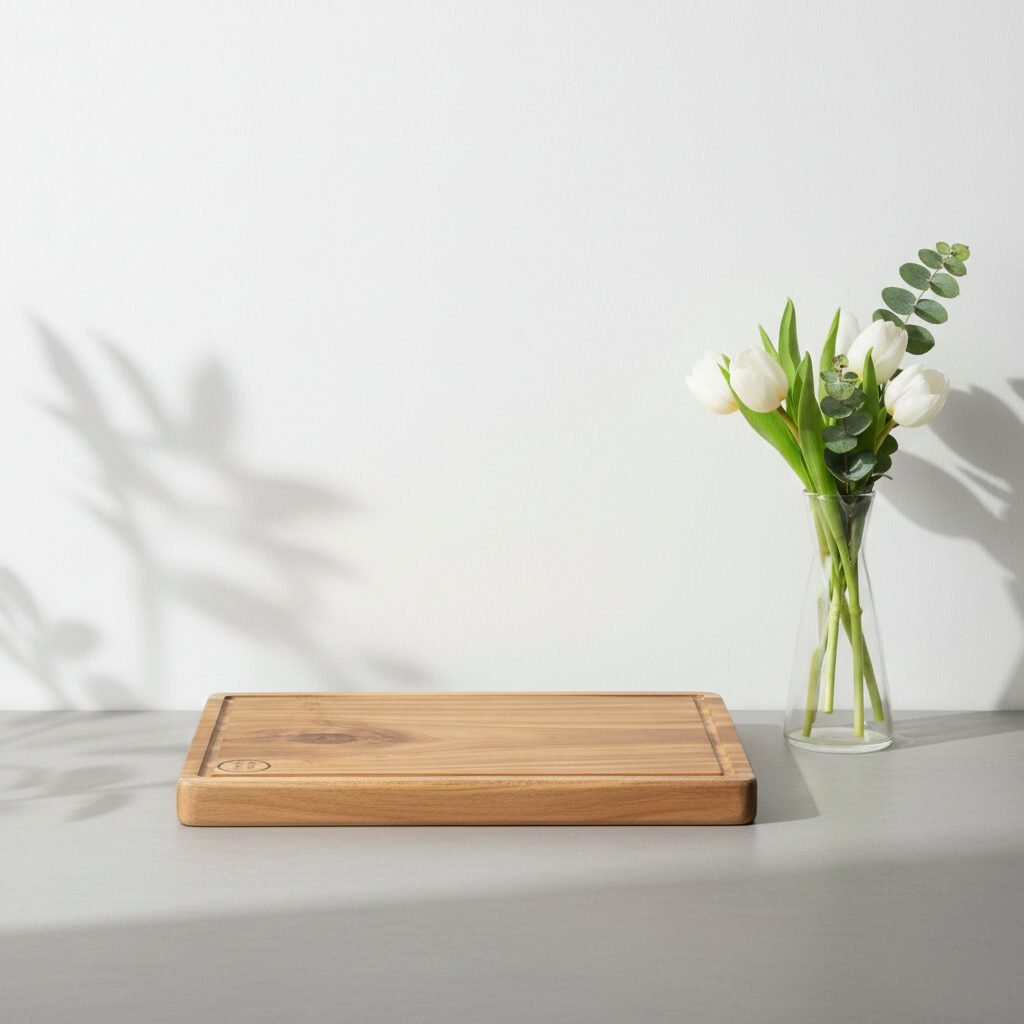
Shop Teak Wood Cutting Boards
Shop the Best teak Wood chopping boards in Single Block
