Teak is widely used for kitchenware when it is properly sourced and finished with a food-safe oil or wax. It is dense, naturally oily and moisture-resistant. Avoid teak items finished with varnish, lacquer or other chemicals.
Products by Category
Large Teak Wood Meat Chopping Board 12x18x1 inch– Joint Wood Cutting Board
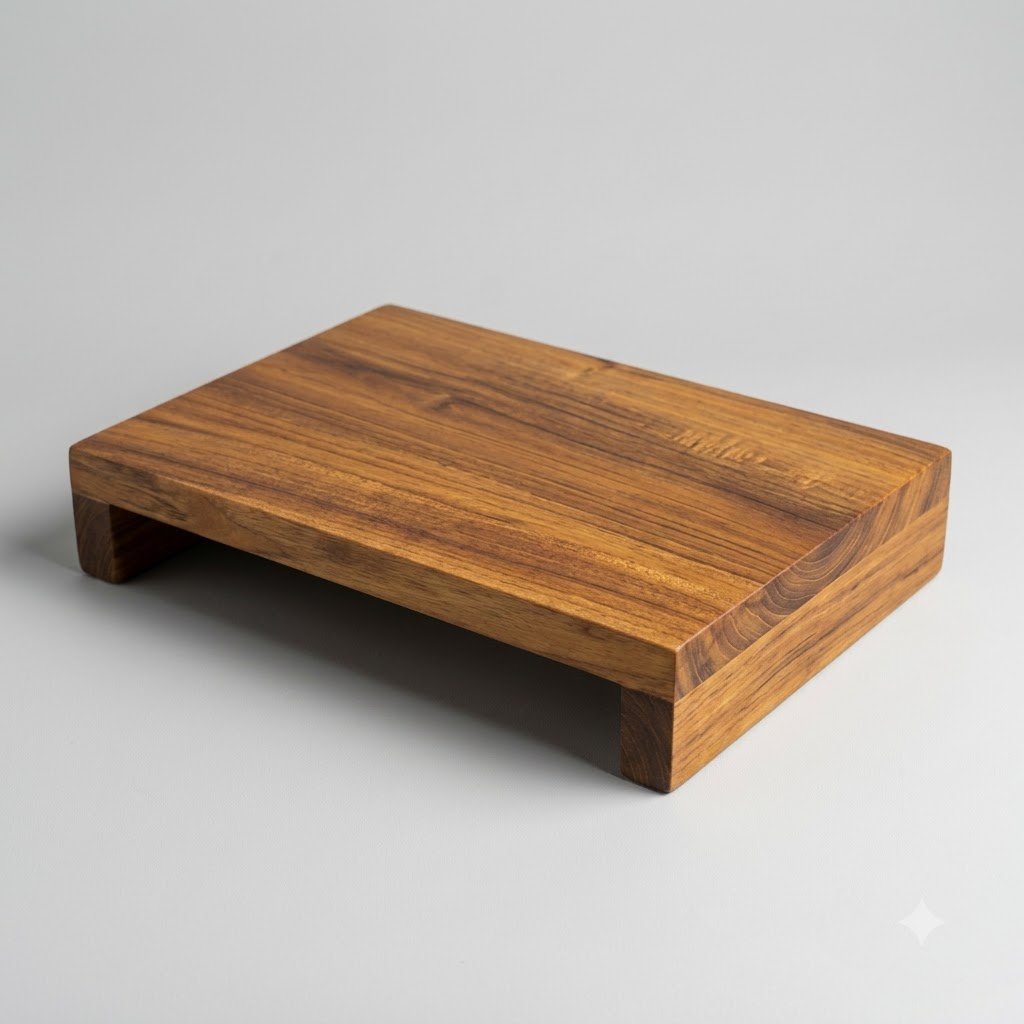
Original price was: ₹5,404.00.₹4,593.00Current price is: ₹4,593.00.Raised Teak Wood Chopping Board 8x14x3 inches– Elevated Wooden Cutting Board
Original price was: ₹2,239.00.₹1,903.00Current price is: ₹1,903.00.Amra Farms Single Block Teak Wood Butcher Block 10x16x2 Inch: Meat Cutting Wooden Board
Original price was: ₹6,398.00.₹5,438.00Current price is: ₹5,438.00.Large Single Block Teak Wood Chopping Board 15x9x1 Inch – Rectangular Edge Grain Cutting Board
Original price was: ₹2,699.00.₹2,294.00Current price is: ₹2,294.00.Handmade Teak Wood Mini Cutting Board – Small Ginger Chopping Board | Amra Farms
Price range: ₹425.00 through ₹1,377.00Large Single Block Teak Wood Chopping Board 18x12x1 Inch – Wooden Cutting Board
Original price was: ₹5,053.00.₹4,295.00Current price is: ₹4,295.00.


Facts That Make Teak Wood Food Safe
Teak is dense, naturally oily and moisture-resistant, with a low risk of splintering. With a food-safe oil or wax finish, it is a popular choice for chopping boards, spoons, ladles and bowls.
Common Myths About Teak Wood and Wood in General
A common worry is that teak releases oil into food. The natural oil in teak is not considered harmful, and it helps protect the wood from cracking and warping. Teak has little odour and, when properly finished, does not usually pass noticeable taste to food.
Another common belief is that wood harbours more bacteria than plastic. Studies suggest that wood is not necessarily worse: bacteria can be drawn into the wood and become harder to recover. However, no board is germ-free, so wash any board with hot soapy water after use and let it dry fully.
Not all teak is equal for kitchen use. Use untreated teak finished with mineral oil or beeswax. Avoid synthetic coatings while using it for food.
Teak vs Bamboo, Tamarind for Food Safety
Many hardwoods are used safely for kitchenware. Wood is also known for its durability, resistance to heat, and low maintenance. Some woods often retain the smell and flavors of food, making them less favorable for kitchen use. Porous woods like mango need careful cleaning. They transfer food flavors easily due to their porous nature. Bamboo, for instance, is relatively less heat-resistant, and the fibers tend to fall apart after regular use. Tamarind wood is dense but dries out fast. Each wood is good, but they have their own characteristics, making them more or less favorable for kitchen use.
What makes Teak Wood food safe?
Teak wood is dense. High oil content, high heat resistance and durability make it a popular wood for kitchen use. They are great for chopping boards, bowls, and spoons. They do not transfer flavors or odors easily and have high durability. Teak wood is a popular choice for chopping boards because it is dense, durable and moisture-resistant. They are rich in Teak oil, which makes it resistant to water and moisture.
is Tamarind Wood Food Safe
Tamarind wood is dense but dry. The oil content is relatively low. They do tend to dry fast, which makes them maintenance-heavy. They do not transfer food odour or flavor. They are less stain-resistant, as most tamarind wood is light and pale in colour. They are one of the cheapest options for heavy cutting boards and chopping boards, especially for meat. While they are used for other purposes like bowls, care should be taken to ensure that they are well maintained and oiled regularly.
Is Bamboo safe to use for food
Bamboo is less heat-resistant. They are good for cutting boards, but most bamboo boards are crafted by joining wood, which makes them less organic. The joints are also known to break up over time with continuous use, heat, and moisture, making it a less appreciated product in a kitchen. While sustainable and cheap, bamboo lacks durability and aesthetics.
What Finishes Are Food Safe for Teak Wood
When choosing teak wood utensils, may it be teak wood cutting boards, bowls, or spoons, watch out for the finish. Any synthetic finish is not recommended. Opt for food-safe finishes, usually organic coconut oil, beeswax, tung oil, or mineral oil. Beeswax helps seal the wood and slows moisture loss, which keeps the board from drying out. Oiling the board is part of maintenance. If you use tung oil, make sure it is pure tung oil and not a “tung oil finish”, which can contain additives.
Watch out for chemicals and avoid any form of lacquer, varnish, or polyurethane in your cutting boards and kitchenware made from teak wood. While they may look very good with these finishes, they are not recommended on surfaces that touch food.
Why Teak Wood Is Odour and Flavour Resistant
Teak is dense and absorbs less moisture than most woods, which is why it is used on boats and why it is popular with home cooks. Porous woods like mango and bamboo tend to take on odours more easily.
Teak wood chopping board – Maintenance and Cleaning
Teak wood can be cleaned with mild soap. Stains are best removed with a baking soda and lemon paste. Odour is usually not a concern in teak wood, but if it does happen, use a vinegar solution or a lemon salt scrub to remove odour. Oil your board when dry or once a month. Teak wood is one of the few woods that requires minimal maintenance. this is one of the Key benefits of teak wood chopping boards. While woods like tamarind and mango require close attention and maintenance, teak needs less upkeep in most cases.
FAQ
Are teak wood utensils safe to eat with?
Yes. Teak wood is non-toxic and absorbs little moisture, making it a popular wood for kitchen utensils. Spoons, plates, and chopping boards made from teak wood are not only durable but also suitable for food use when properly finished. Always ensure that the teak wood utensils are free from chemicals, industrial adhesives, and joints for durability and food safety.
What are the negatives of teak wood?
Teak wood, though versatile, beautiful, and durable, is known to be expensive and heavy. These are the only two negatives of teak wood. They weigh at least 50% more than most other woods, often double. For instance, a mango wood chopping board weighs 1 kg, while the same dimension teak wood board could be around 2.8 to 3.5 kg.
How to identify good teak wood?
A good, unpolished teak wood will have fine straight grains, is golden honey-colored with dark tones, and ages well to a dark brown. The wood will have a leathery texture and an earthy smell. Teak wood can be identified by its weight and water drop test. Water droplets are not easily absorbed on teak wood in comparison to other wood.
What is the difference between African teak and Indian teak wood?
The biggest difference between African teak and Indian teak wood is the oil content. Indian teak wood is often said to have a higher oil content than African teak, making it more durable, water-resistant, and perfect for kitchen and cooking utensils.
What is the Indian name for teak wood?
Teak is commonly referred to as Tekku or Theku in Southern India, and Saag or Sagwan in the northern part of India.
Which country’s teak is considered the best?
Teak from Burma is widely regarded as among the best. It is the most sought-after variety for its exceptional quality, rich oil content, fine grains, and durability. Burmese teak is the top choice for exquisite outdoor furniture. the type of teak available in India include Valsad, Malabar / Kerala and more and Kerala teak is widely regarded as among the best in India.
Which state is known for its teak wood?
While India grows teak in various regions, teak wood from Kerala, especially from the Nilambur region, is the most sought-after teak wood in India. Nilambur teak is known for its high oil content and durability. Forest-grown teak is rare and very expensive and is managed by the government and protected.