
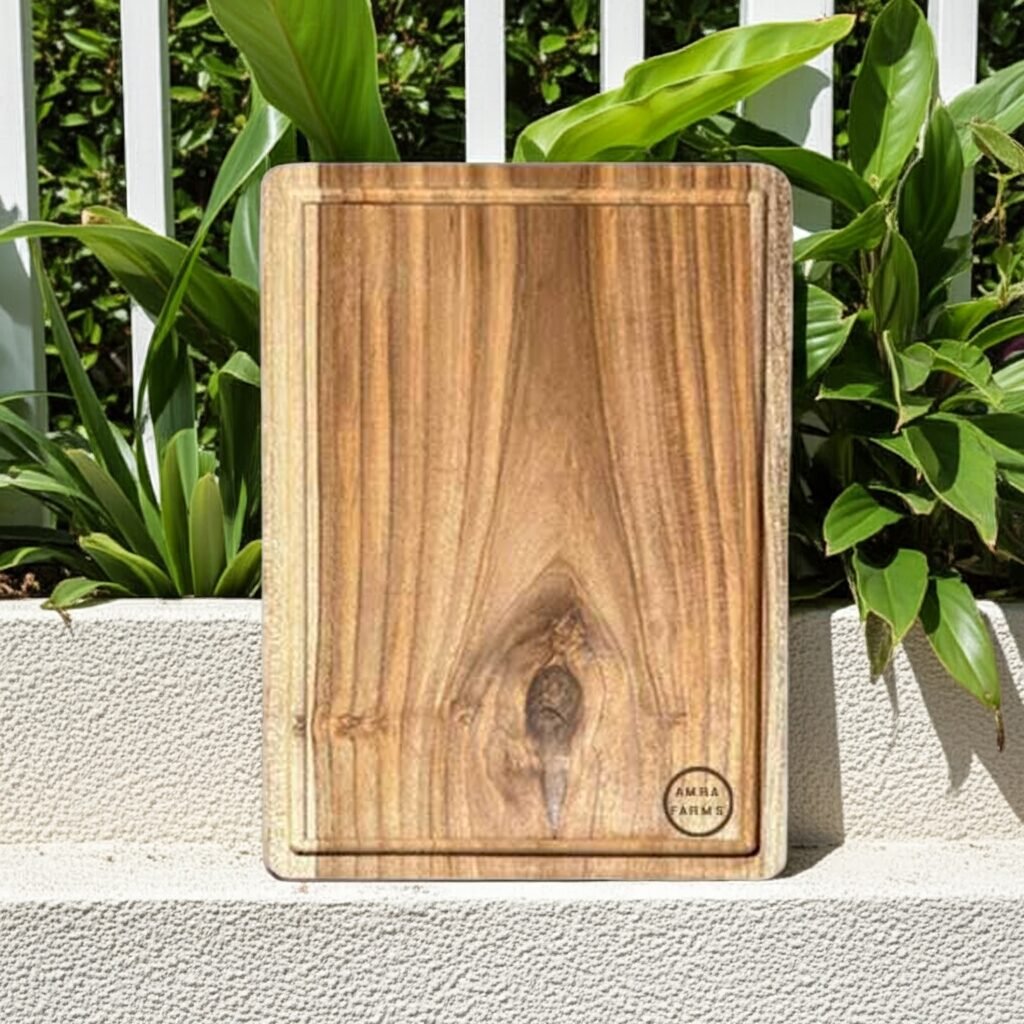
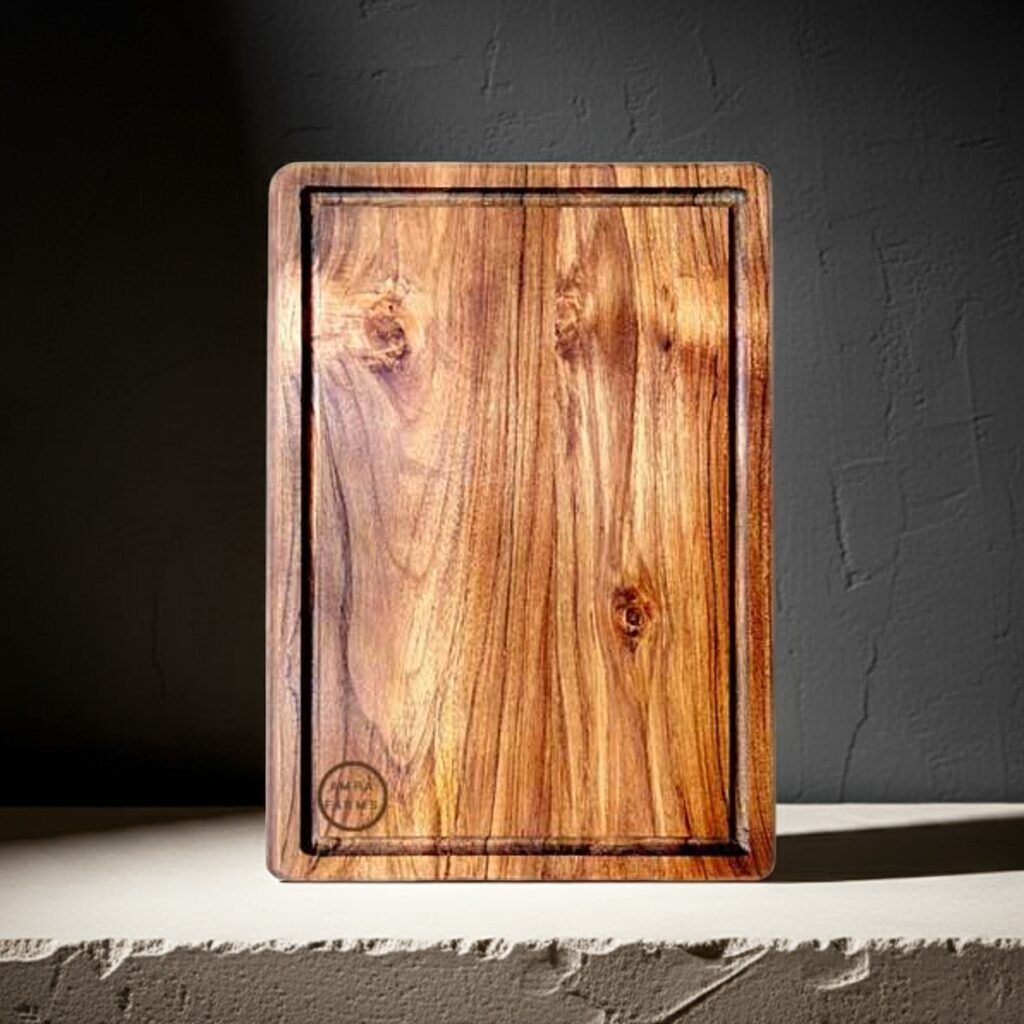
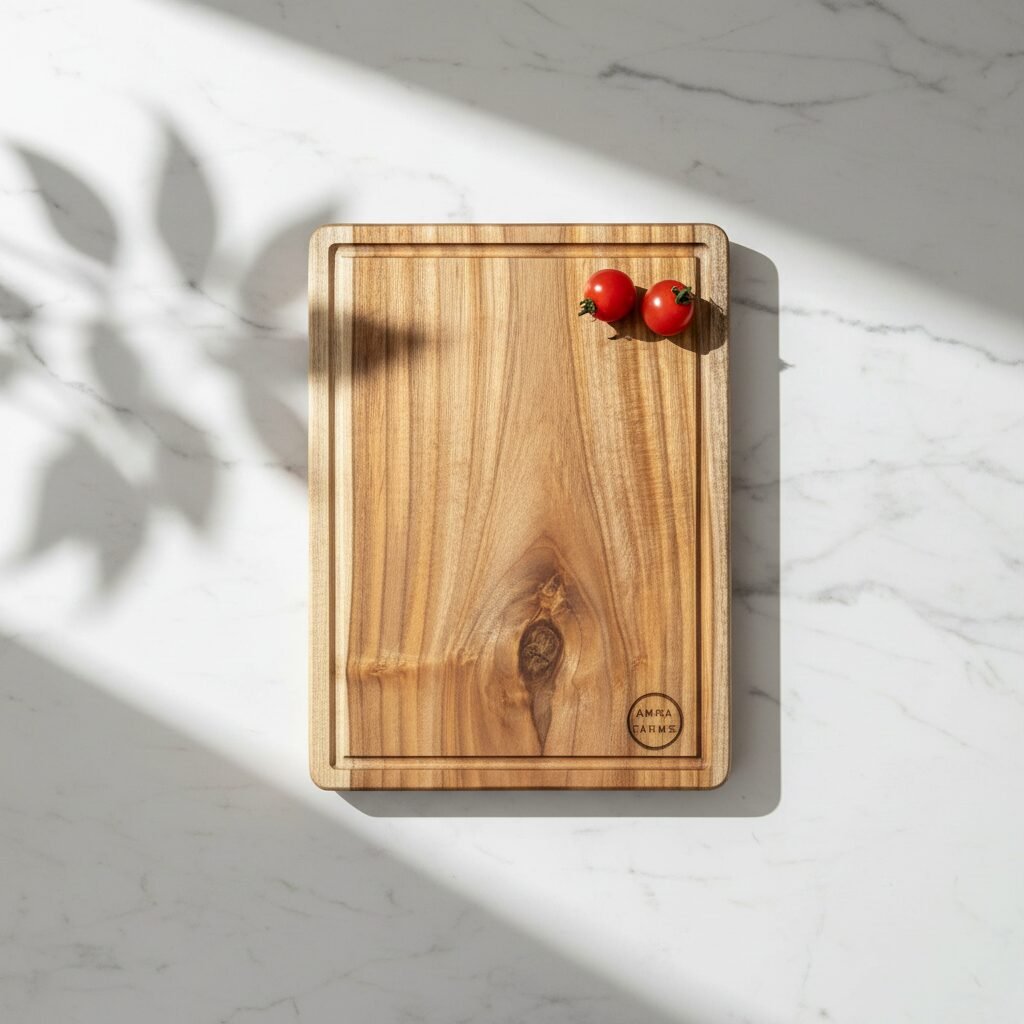
A teak wood chopping board often tops the list when it comes to a PERFECT chopping board. They feature the best qualities from unmatched durability, water resistance, timeless elegance and food safety. They are built to look beautiful and also built to last.
For a professional chef or a home cook who takes food preparations serious, Teak combines functionality with flair. They resist warping, handle knife cuts with grace and require no maintenance compared to other wooden chopping boards.
But all teak are not created equally. From the heritage-rich forests of Nilambur Kerala, India to the premium old-growth trees of Myanmar, each variety of teak brings a uniqueness to the table. Let’s break down the different types of teak wood used for chopping boards, explore their origin, features, pros and cons to help you choose the right ones.
Teak is not the only wood which is preferred for chopping boards. there are a variety of woods which dominate the Indian chopping board market. Comparing Teak vs Tamarind vs mango wood gives you the perspective on why teak is still the most preferred wood for chopping boards.
Why Choose Teak Wood for Chopping Boards?
Teak is one of the most beautiful woods available in the world. Its beauty, durability and features makes it one of the best woods for chopping boards
Shop Wooden Chopping boards
Single Block Chopping Board 14×7×.75 Inch – Rectangular Teak Wood Edge Grain Cutting Board
Original price was: ₹999.00.₹599.00Current price is: ₹599.00.Small Premium Single Block Teak Wood Bar Chopping Board 14×8 x1 inch – Wooden Cutting Board
Original price was: ₹2,899.00.₹1,399.00Current price is: ₹1,399.00.Large Single Block Teak Wood Chopping Board 15×9×1 Inch – Rectangular Edge Grain Cutting Board
Original price was: ₹3,499.00.₹1,999.00Current price is: ₹1,999.00.Medium Premium Single Block Tamarind Wood Chopping Board 10×16×1.5 Inch – PuliMutti Collection
Original price was: ₹2,479.00.₹1,499.00Current price is: ₹1,499.00.Teak Wood Carving Board 10×16×1 Inch – Solid Cutting Board with Juice Grooves | Craft Series
Original price was: ₹3,399.00.₹1,999.00Current price is: ₹1,999.00.Teak Wood Chopping board | Single Block Teak Wood 10×16×1 Inch – Rectangular Edge Grain Cutting Board
Original price was: ₹3,999.00.₹2,699.00Current price is: ₹2,699.00.
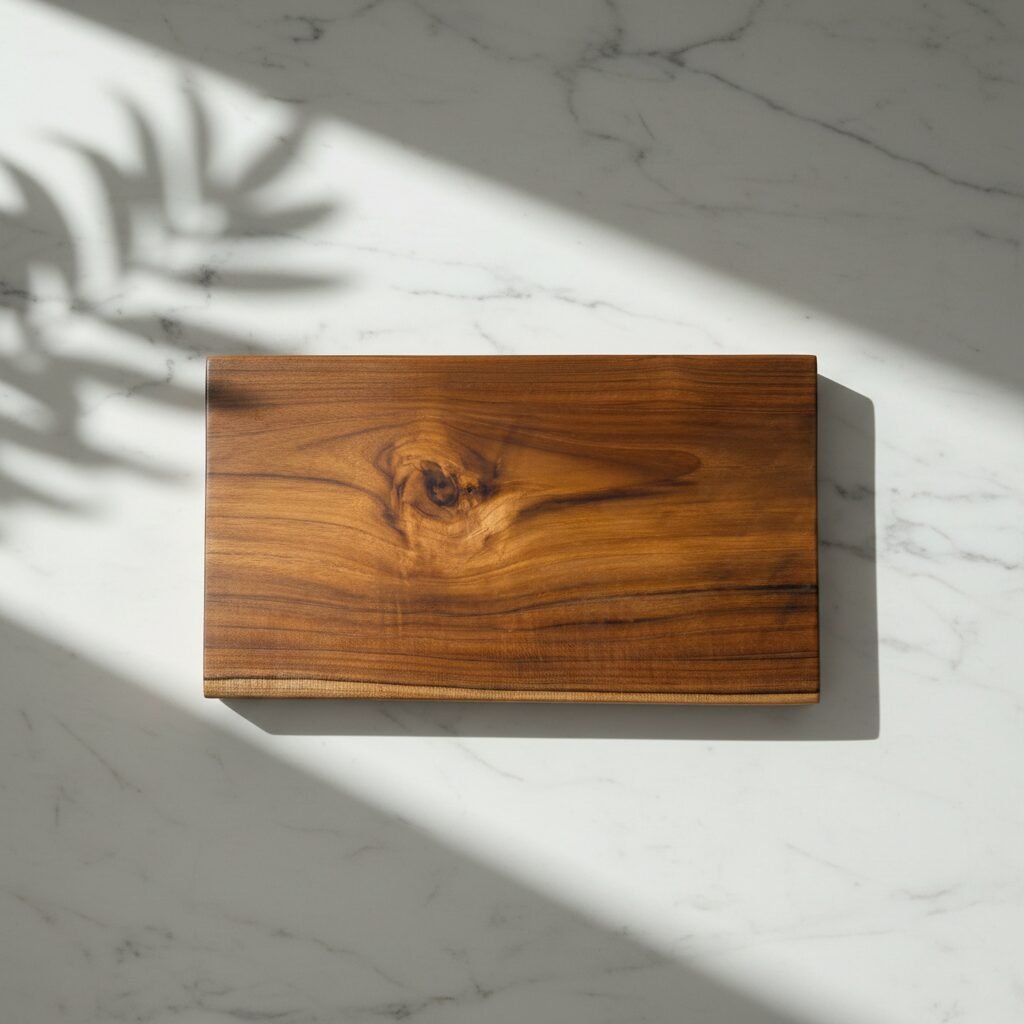
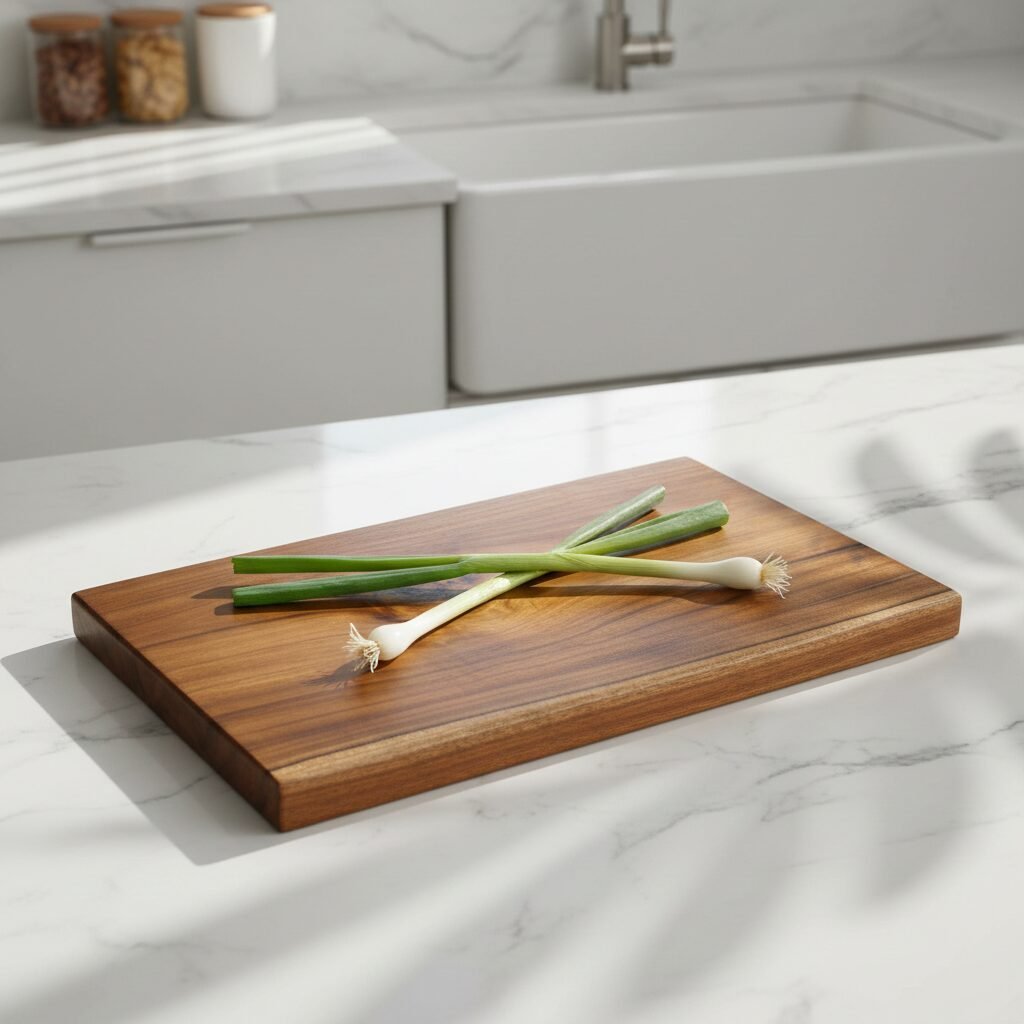
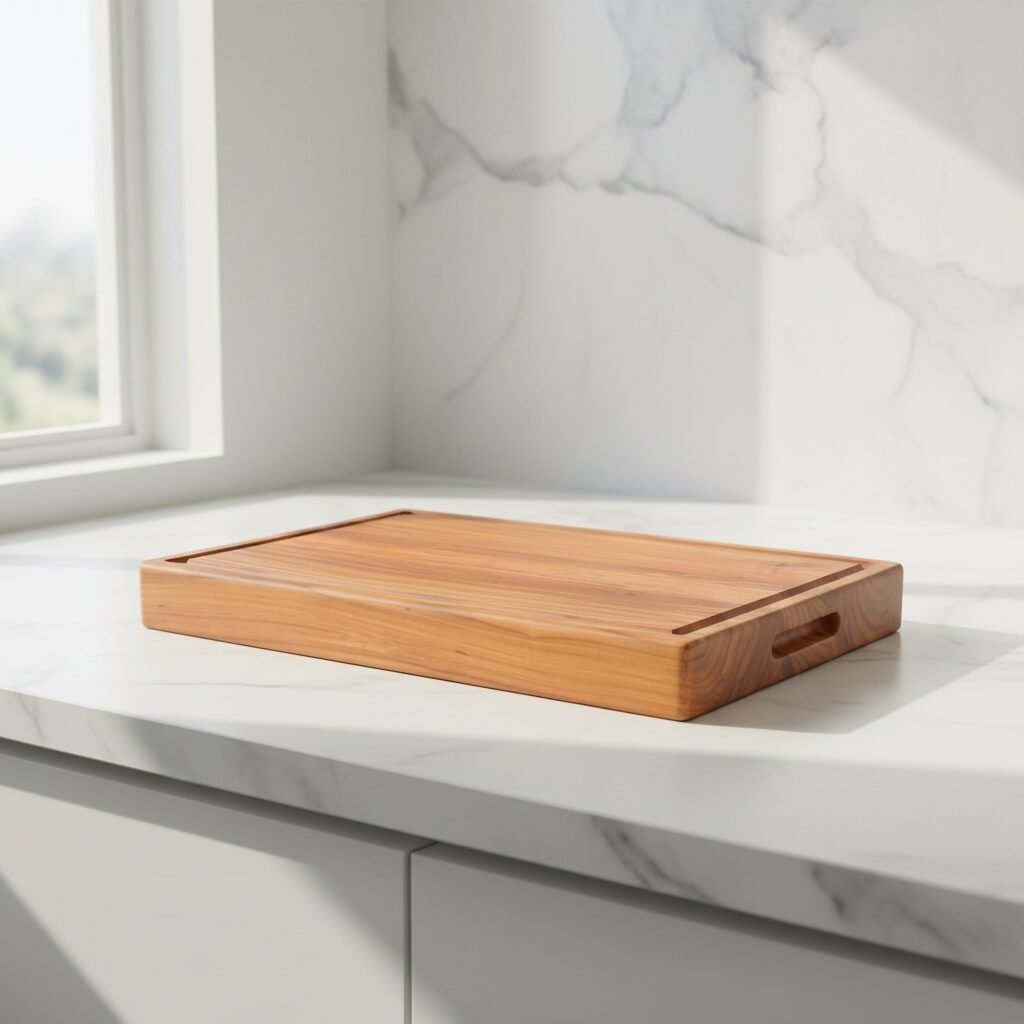
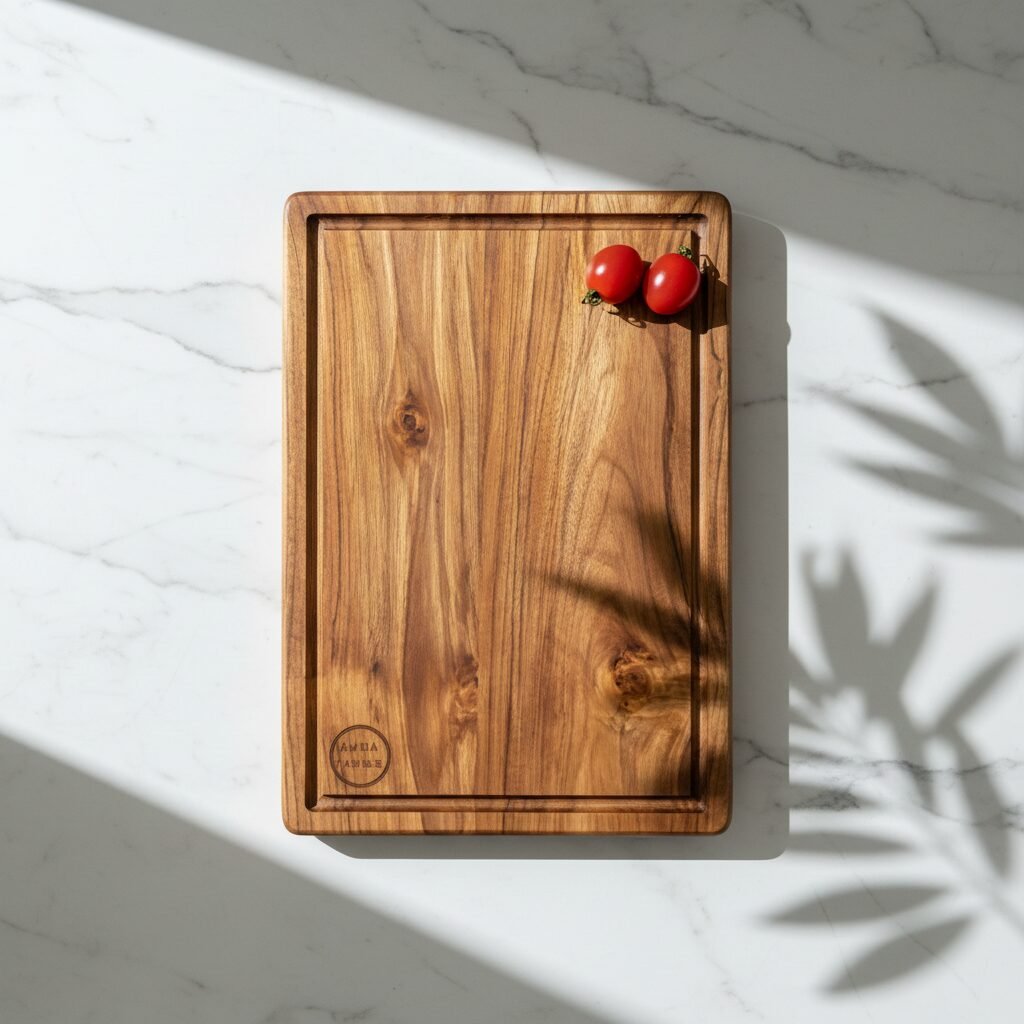
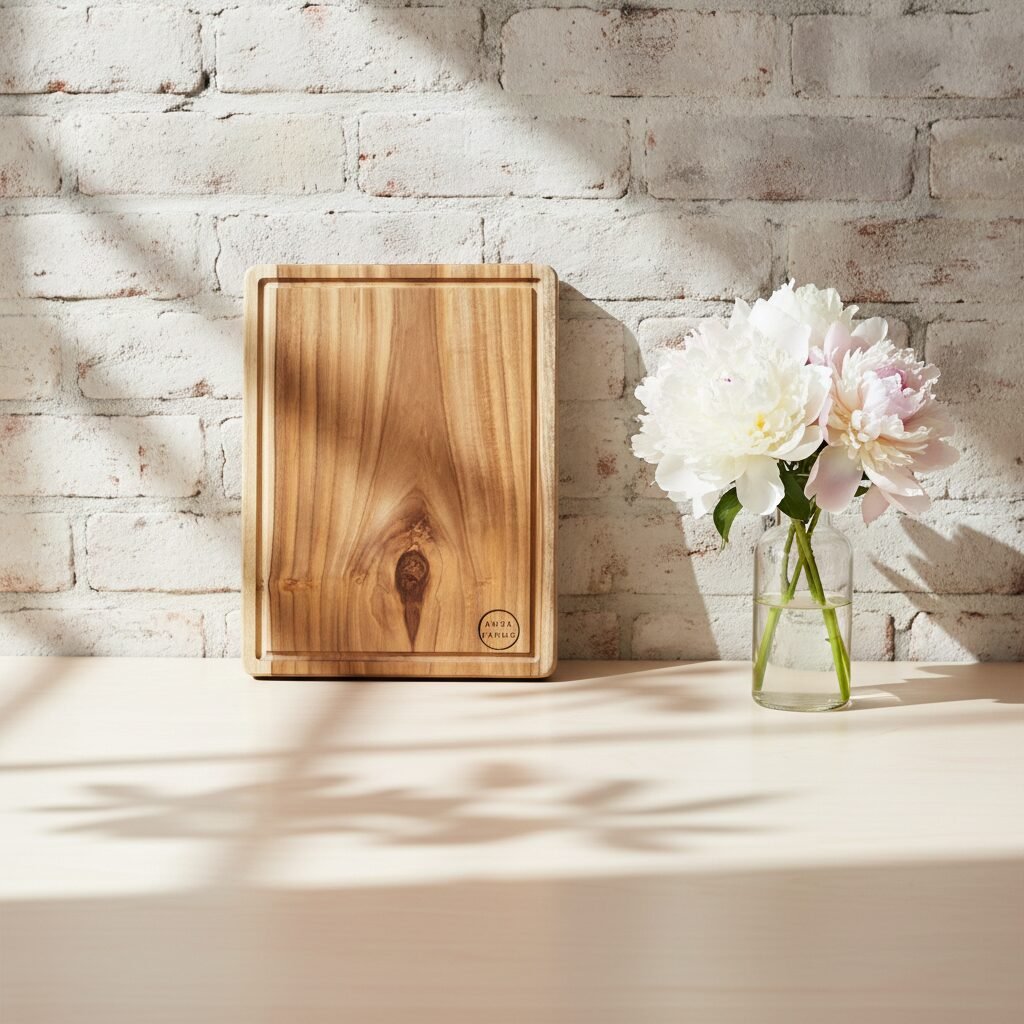
Natural oils and water resistance: Teak wood is naturally resistant to water. The rich oil content in Teak wood and the tight grains prevent water retention. Used in boat building since years, Teak wood is a tested wood which does not harbour bacteria, repels water and is not prone to rotting and swelling making it perfect for high moisture environments. Teak wood is considered the best wood for chopping boards to cut meat due to its antibacterial features. Research indicates that a teak wood board kills almost 99% of all bacteria when dry in less than 24 hours.
Resistance to warping and cracking: The dense grains of Teak wood offer a stable construction. They maintain their shape even after frequent washing and chopping and are very less likely to crack or distort.
Long-lasting and knife-friendly surface: Teak is tough yet soft. The boards are gentle on knife edges and reduce the need of constant sharpening. They are durable and scratch resistant and can handle aggressive chopping without deep gouges.
Aesthetic appeal and rich grain: Teak is beautiful and its warm tones range from honey to deep brown with bright attractive grain patterns that elevate the look of the kitchen. Rustic or modern, the teak board adds a touch of elegance to your countertop.
Types of Teak Wood Commonly Used in Chopping Boards
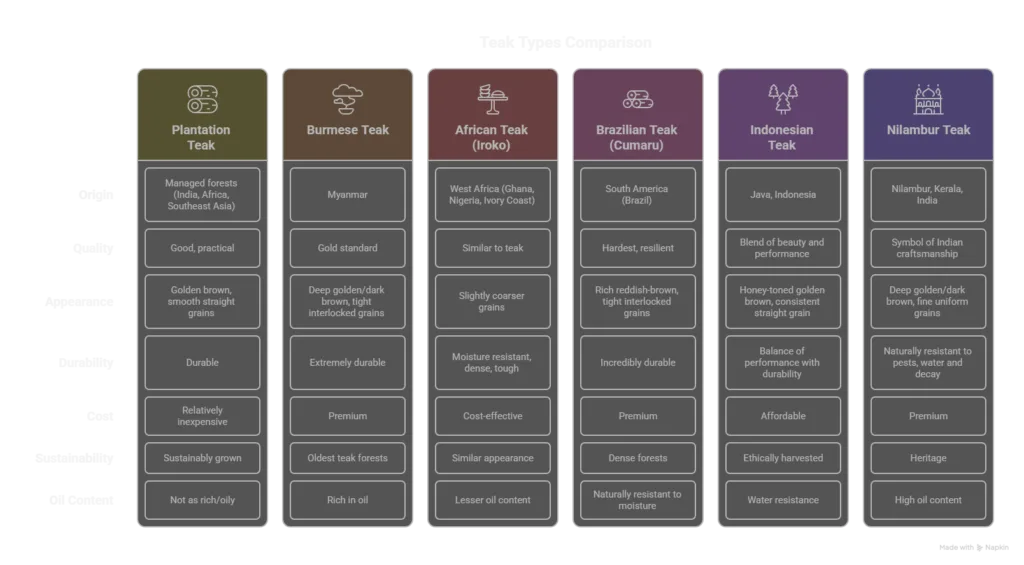
Teak wood is not the same. Where it is sourced from., how it is cultivated and the locations play a major role in understanding teak and its types. India alone has over 3-4 varieties of teak There are teak from Valsad, Maharashtra, Malabar teak and a lot more. Then there is Burmese teak, the best that is available. and African teak which is becoming popular. below are some of the teak varieties popular and available worldwide.
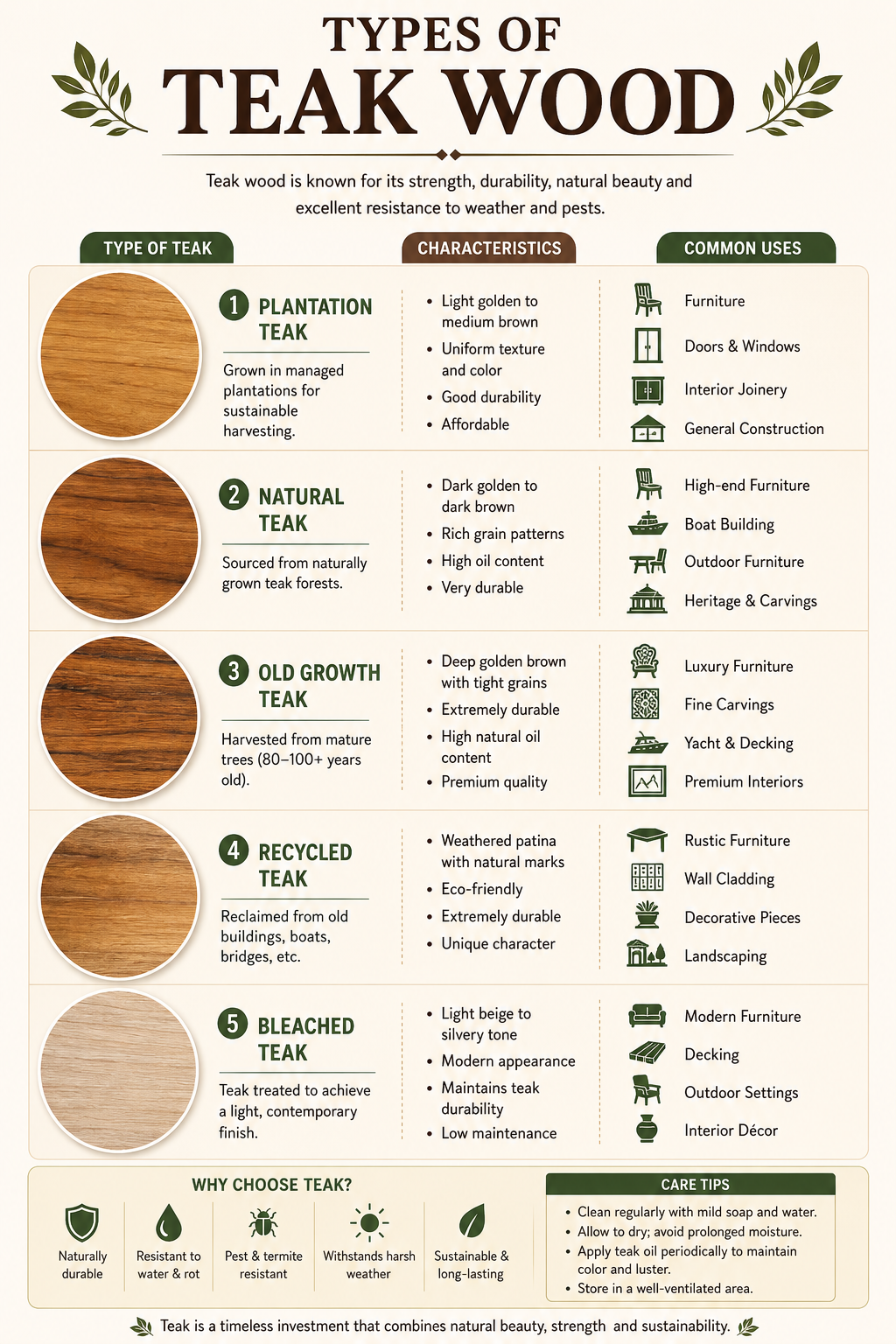
| Type | Durability | Appearance | Price Range | Sustainability | Ideal Use |
|---|---|---|---|---|---|
| Plantation Teak | High | Golden brown | $$ | High | Everyday use |
| Burmese Teak | Very High | Deep golden brown | $$$$ | Low | Premium boards |
| African Teak | Moderate | Light to medium | $ | Moderate | Budget-friendly boards |
| Brazilian Teak | Very High | Reddish-brown | $$$ | Moderate | Heavy-duty use |
| Indonesian Teak | High | Warm honey colour | $$$ | High | Balanced option |
| Nilambur Teak | Very High | Rich golden-brown | $$$$ | Moderate | Luxury handcrafted boards |
Plantation Teak
Plantation teak is sustainably grown and widely available making it eco-friendly too. Plantation teak is often the go-to choice for practical high-quality chopping boards. They are relatively inexpensive and do not compromise on quality. Plantation teaks are cultivated in managed forests across India, Africa and Southeast Asia. They are grown specifically for timber, often under strict forestry regulations to ensure environmental stability. One of the biggest advantages of plantation teak is that it is harvested responsibly without depleting natural forests. Plantation teak looks no different from teaks of other regions with a golden brown hue, smooth straight grains. They are not as rich or oily as the old growth teak though they offer the durability and attractive appearance nevertheless.
Burmese Teak
Burmese teak is the gold standard of teak. They are prized for their unmatched quality, durability and beauty. Burmese teak comes from Myanmar, one of the oldest teak forests. These trees grow slowly over decades, developing a dense mature wood compared to plantation varieties. They are rich in oil content and are extremely resilient to cracking, warping or bacterial build-up. Extremely durable, tough and heavy-duty, yet soft on the knives. The rich oil content resists moisture and water, making it a perfect wood for chopping boards. They are deep golden or dark brown in colour with tight interlocked grains. They have a striking appearance with a luxurious finish making it a favourite in high-end kitchens and gourmet cookware collections.
African Teak (Iroko)
Iroko or African teak is not teak but very similar, offering the same features and beauty and often compared to traditional teak. They are a cost-effective alternative to traditional teak, offering a budget-friendly price. Sourced mainly from West Africa, like countries like Ghana, Nigeria and Ivory Coast, Iroko is marketed as African teak due to its similar appearance, durability and performance. They are naturally resistant to termites and don’t decay easily. They are moisture resistant, dense, tough and suitable for regular chopping boards. They have slightly coarser grains and lesser oil content than Burmese and Nilambur teak. The biggest advantage to Iroko is the cost-effectiveness it provides with the similar performance of teak at a lower price point.
Brazilian Teak (Cumaru)
Brazilian teak is the hardest and resilient wood you would find for a chopping board. Commonly known as Cumaru, Brazilian teak is native to the dense forests of South America, specifically Brazil. Botanically, Cumaru is not teak but shares the same desirable traits. Cumaru is an exceptionally dense hardwood, often harder than traditional teak. This makes them incredibly durable, resistant to dents and scratches, making them perfect for heavy chopping boards and butcher blocks. They have a rich reddish-brown colour and deepen over time. The grains are tight and interlocked and have a unique striking look. Brazilian teak is a perfect board which performs under pressure. Naturally resistant to moisture, decay and insects, the Cumaru is a powerhouse in a humid kitchen and stands the daily abuse while still looking impressive with minimal maintenance.
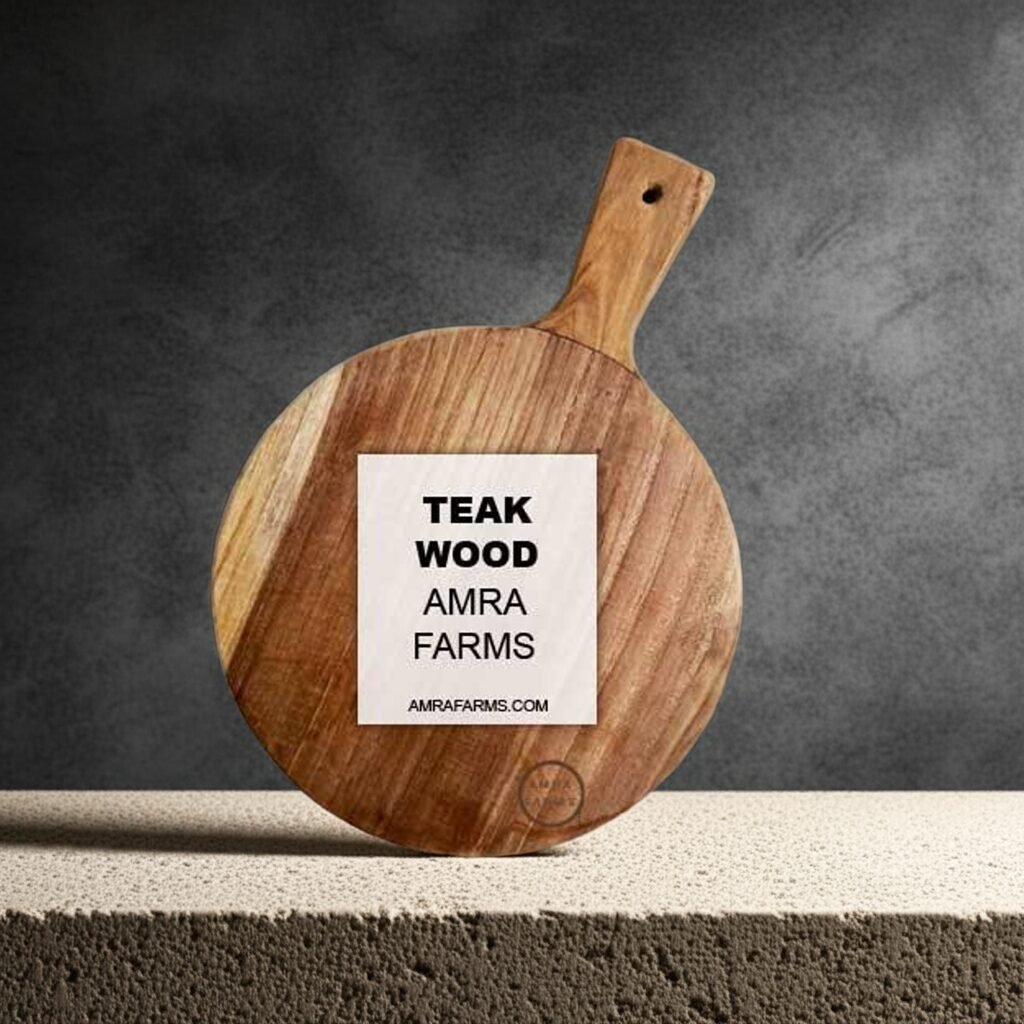
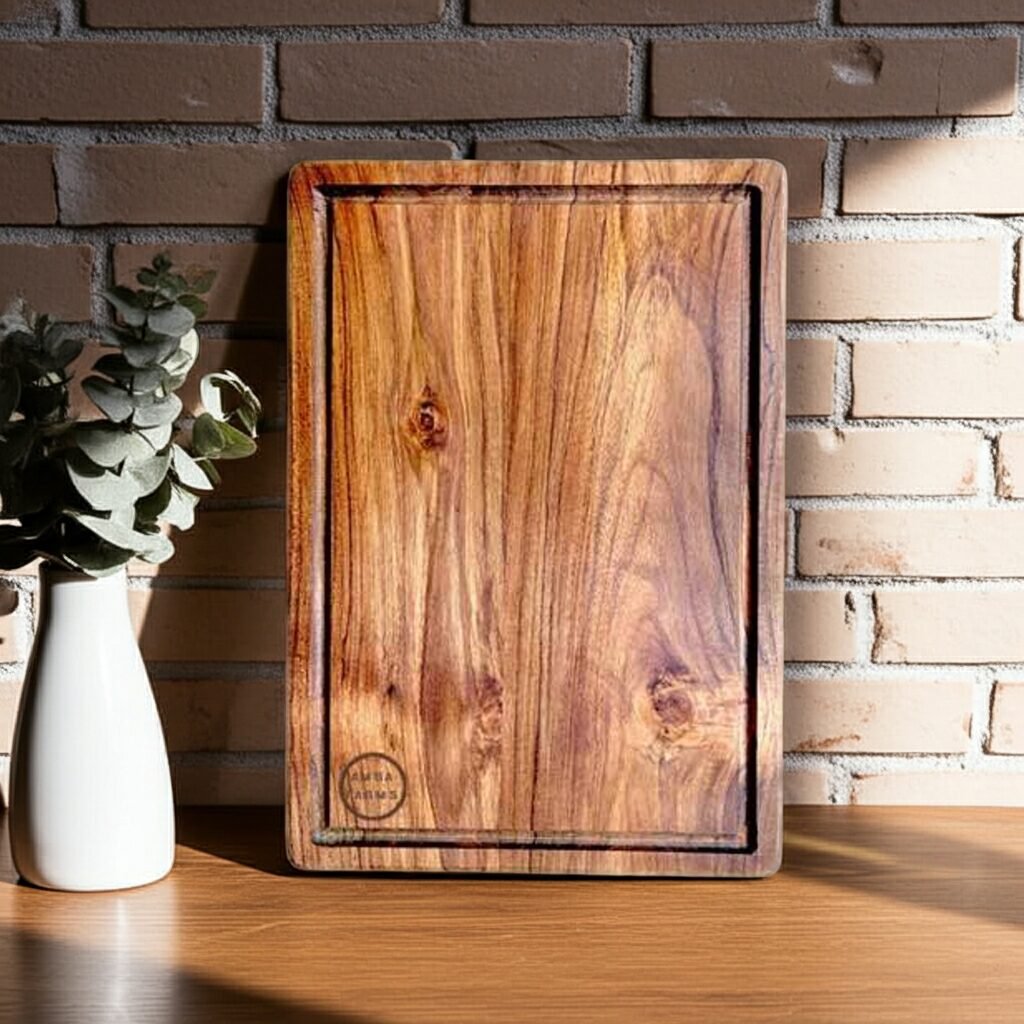
Indonesian Teak
Indonesian teak is the blend of beauty and performance with sustainability in a well-rounded package. Sourced from Java, Indonesia, it’s a plantation-grown teak under government regulation. Java teak is known for ethically harvested with replanting and conservation efforts to build production. It is a reliable choice for eco-conscious consumers. They are honey-toned golden brown with a consistent straight grain. Smooth to touch and its uniformity makes it visually appealing. They are a balance of performance with durability, water resistance and affordability than Burmese teak. This is perfect mid-range wood for chopping boards offering the looks of good teak wood.
Nilambur Teak
Nilambur teak is a symbol of Indian craftsmanship and is known for its heritage, beauty and artisanal value. Grown primarily in Nilambur, Kerala, particularly in the Nilambur region which has the reputation of producing some of the finest teak wood in the world. Often referred to as Malabar teak, the variety has a rich history in use in furniture, shipbuilding and temple architecture. It has a deep connection in traditional Indian woodworking and is valued by artisans and craftsmen. Nilambur teak is deep golden or dark brown in colour with fine uniform grains. Its natural lustre and high oil content make it both elegant and durable. The smooth texture is a distinct difference from plantation teak. Naturally resistant to pests, water and decay, they perform extremely well in a kitchen setting. The Nilambur teak is a combination of strength and beauty making it a perfect wood for exquisite premium chopping boards.
if you are looking for more details on Teak wood in general, the teak wood guide helps understand the quality and hardness of teak wood, benefits and its uses.
How to Choose the Right Teak for Your Chopping Board
Selecting the perfect teak chopping boards is a balance between features and price. The best woods are often expensive but based on the requirements, location etc., the price will differ.
Consider your kitchen usage (daily use vs display): Daily heavy use requires a tough and denser wood. The Cumaru wood or Burmese teak can withstand constant chopping and moisture. Nilambur teak stands next in line with almost the same durability. For occasional use or display, a plantation teak offers the same durability without an overkill on price.
Budget vs long-term investment: If you are on a tight budget, opt for a plantation teak or Indonesian teak. They offer more value for money and decent durability. If you are willing to invest, the Nilambur teak or Burmese teak offer the best in durability, elegance and justify the price point for quality that lasts decades. Thicker boards are a good investment as they tend to last more due to its heavy duty features. but if you are going to use your cutting boards regularly and require a vegetable cutting board thats easy to handle, then you should opt of a board that is less than an inch. this will be significantly cheaper.
Maintenance preferences: The high oil content in Burmese and Nilambur teak and its ability to resist water makes it a perfect wood for people who are looking for a low-maintenance board. Plantation teak and Indonesian teak require a bit more upkeep and some care.
Aesthetic preferences: Nilambur and Burmese teak offer a rich deep color with intricate grains. Plantation teak and Indonesian teak are lighter with a uniform look.
Understanding teak is good but the use of teak for chopping boards is different. While furniture made of teak do go through normal wear and tear, teak wood chopping board go through cuts, scars and exposure to moisture on a regular basis. this requires a deeper understanding of teak and its use as a chopping board. the ultimate Guide to teak wood chopping board explains more on how Teak is not just aesthetically pleasing but also functional as a chopping board
Conclusion
Choosing the right teak wood boils down to the qualities of the wood and how it aligns to your preference and lifestyle.
- Plantation teak: Affordable, sustainable with a balance in quality and price
- Burmese teak: Luxurious choice with unmatched durability and rich aesthetics
- African teak – Iroko: Durable, cost-effective, ideal for sturdy everyday board
- Brazilian teak – Cumaru: Exceptionally tough, heavy-duty kitchen use
- Indonesian teak: Balanced and consistent, mid-range board
- Nilambur teak: Heritage wood ideal for a handcrafted chopping board
Final recommendation: Choose the teak based on your kitchen usage, budget, maintenance willingness and aesthetic appeal. If you are one who needs a balance between both worlds, a Nilambur teak is the best.
Related Topics
Is Teak Wood Safe for Food Use – Facts and Myths on Teak Wood Utensils
When sourced properly and maintained, teak wood is a food-safe material for specific kitchenware. With its high natural oil content, teak wood provides antimicrobial properties and inhibits bacterial growth. This makes teak wood a hygienic choice over plastic. It is scientifically proven to be food-safe and, traditionally used since ages, teak wood is one of…
Reasons Why Wooden Chopping Boards Are Better Than Plastic
Plastic has been the preferred choice for chopping vegetables and meat in the past decade. Many users have had complaints about plastic chopping boards, yet they go back to plastic boards time and again. Understanding why wooden cutting boards are better than plastic chopping boards and where they excel will give you a clear perspective…
Essential Facts You Must Know Before Buying a Teak Wood Chopping Board
A teak wood chopping board will last decades. But it’s not about durability alone. Teak wood chopping boards are an investment and just like any other investment, you need to take care of your cutting board too. Regular maintenance, oiling and addressing issues related to the board’s wear and tear should be taken care of…
Best Uses of Teak Wood: Common and Unique Applications That Make It the King of Hardwoods
Teak wood is considered a valuable and versatile hardwood, prized for its durability and natural oil and water resistance apart from its beautiful grain patterns. Teak wood is considered a versatile wood which is used both in indoor and outdoor applications where strength, longevity and appearance matter. Apart from furniture, Teak wood has some of…
What to look for when purchasing a teak wood cutting board and how to identify teak wood
Most people are not experts in wood. They believe the wood they purchase is genuine, but this may not be the case. Even with genuine teak, the origin of the wood is important. Apart from the origin, the quality or the grade plays a major role in the life of a teak wood cutting board.…
Why Tamarind Wood Cutting Boards For Meat is Preferred Compared to Teak Chopping Boards
Teak is a tough wood and it is beautiful too. Then why is tamarind wood chopping boards preferred choice in commercial butcher shops compared to teak? Ever wondered why teak is not used for cutting meat in a commercial butcher shop? There are multiple reasons why butchers prefer tamarind wood and not teak, even though…
