
When sourced properly and maintained, teak wood is a food-safe material for specific kitchenware. With its high natural oil content, teak wood provides antimicrobial properties and inhibits bacterial growth. This makes teak wood a hygienic choice over plastic. It is scientifically proven to be food-safe and, traditionally used since ages, teak wood is one of the safest woods for use in the kitchen. Teak wood is not allergic when used as a utensil in the kitchen and is only a concern when not properly finished or treated with chemicals.
Products by Category
Single Block Chopping Board 14×7×.75 Inch – Rectangular Teak Wood Edge Grain Cutting Board
Original price was: ₹1,199.00.₹899.00Current price is: ₹899.00.Small Premium Single Block Teak Wood Bar Chopping Board 14×8 x1 inch – Wooden Cutting Board
Original price was: ₹1,999.00.₹1,499.00Current price is: ₹1,499.00.XL Extra Large Single Block Teak Wood Meat Cutting Board 12×18×1 Inch – Wooden Chopping Board
Original price was: ₹4,299.00.₹3,299.00Current price is: ₹3,299.00.Large Single Block Teak Wood Chopping Board 15×9×1 Inch – Rectangular Edge Grain Cutting Board
Original price was: ₹2,999.00.₹2,299.00Current price is: ₹2,299.00.Small Single Block Teak Wood Chopping Board 14×6×.75 Inch – Edge Grain Chopping Board
Original price was: ₹1,099.00.₹799.00Current price is: ₹799.00.Large Single Block Teak Wood Chopping Board 18×12×1 Inch – Wooden Cutting Board
Original price was: ₹4,299.00.₹3,299.00Current price is: ₹3,299.00.
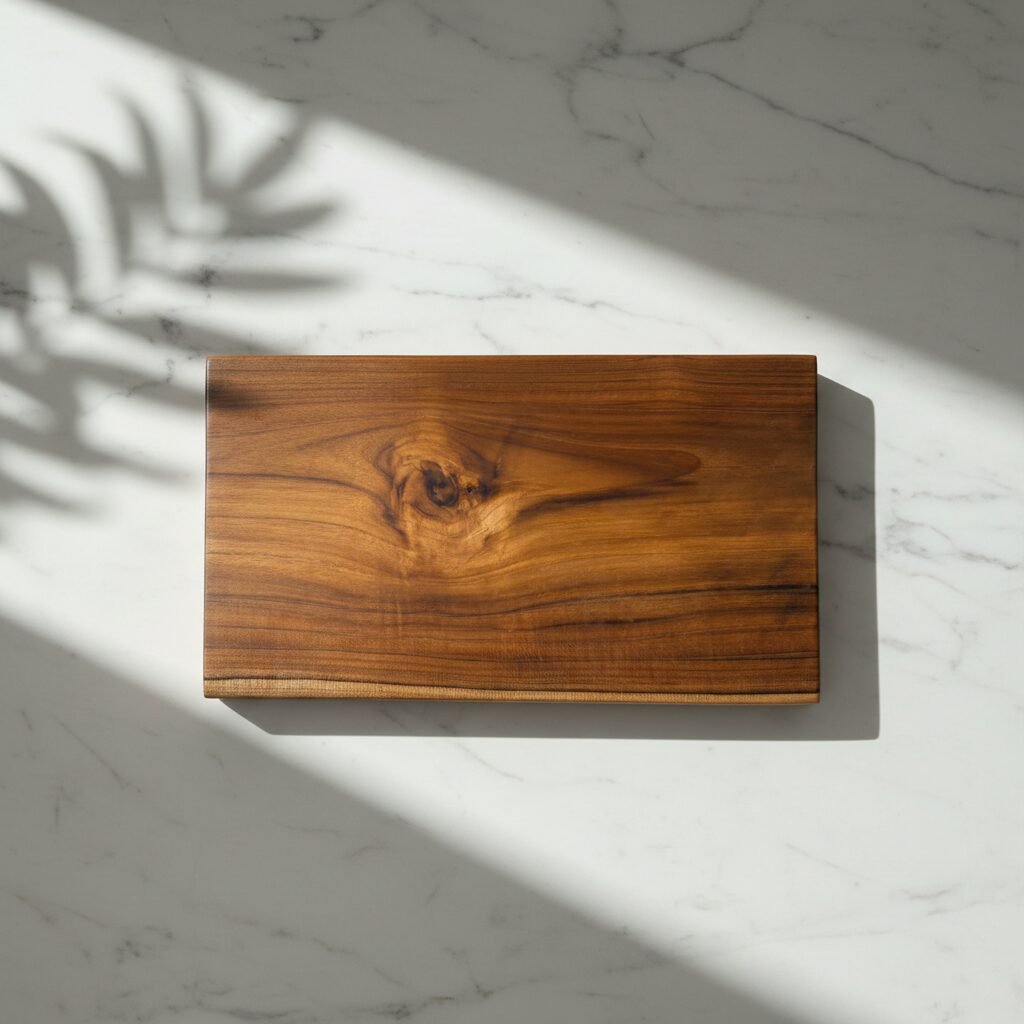
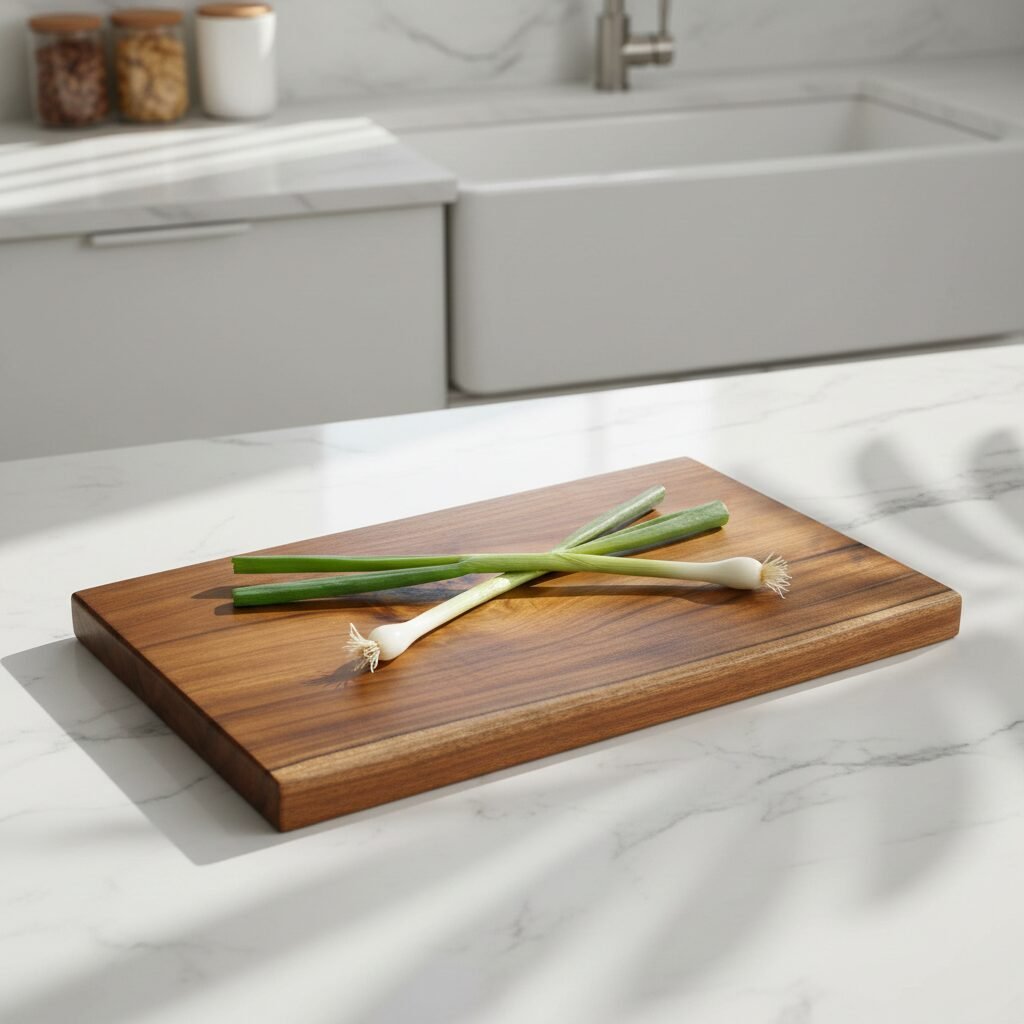
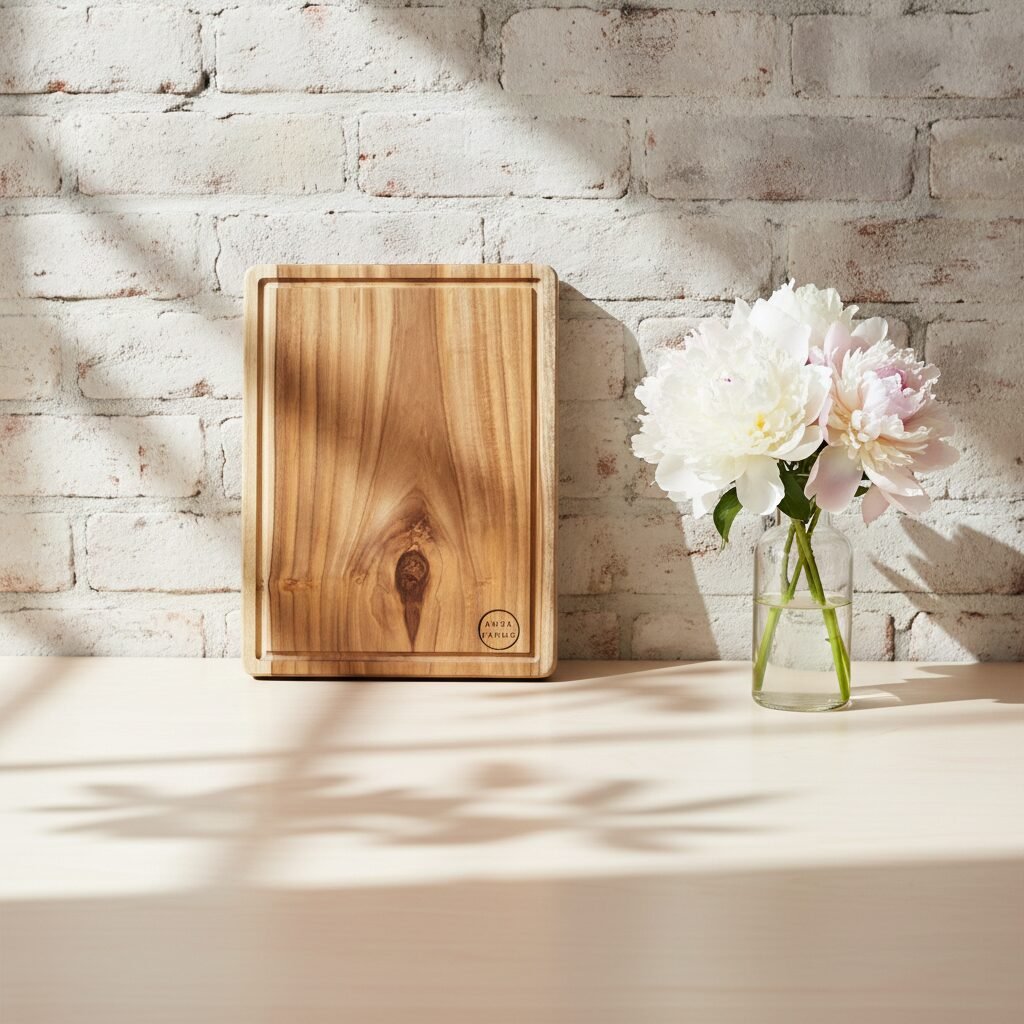
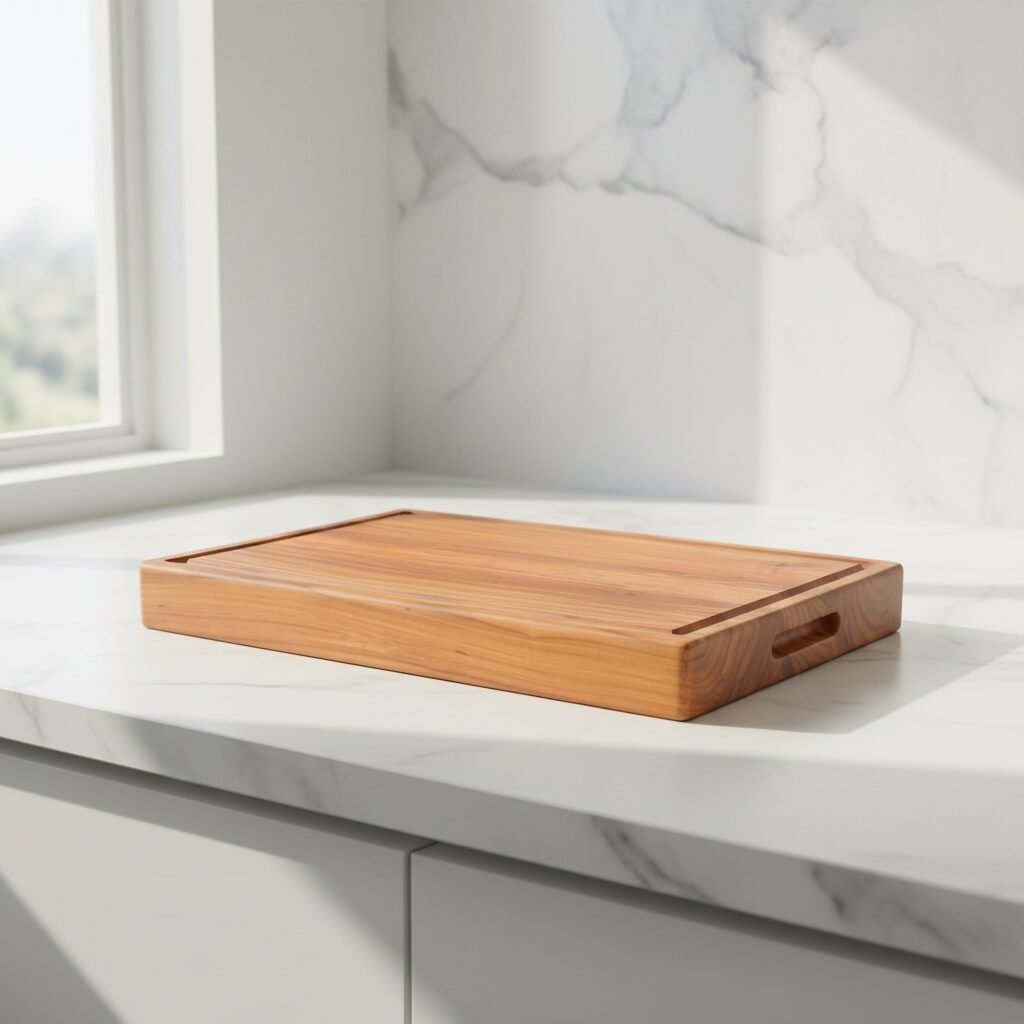
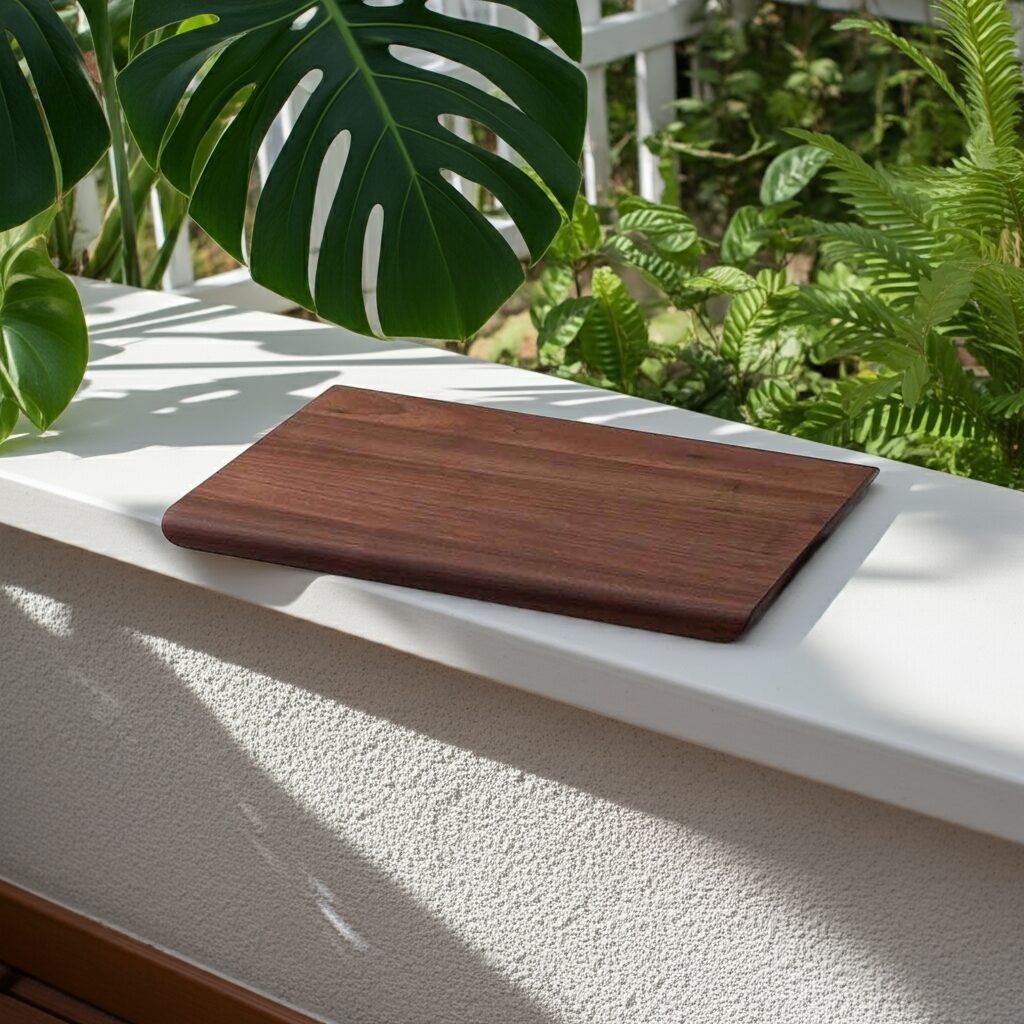
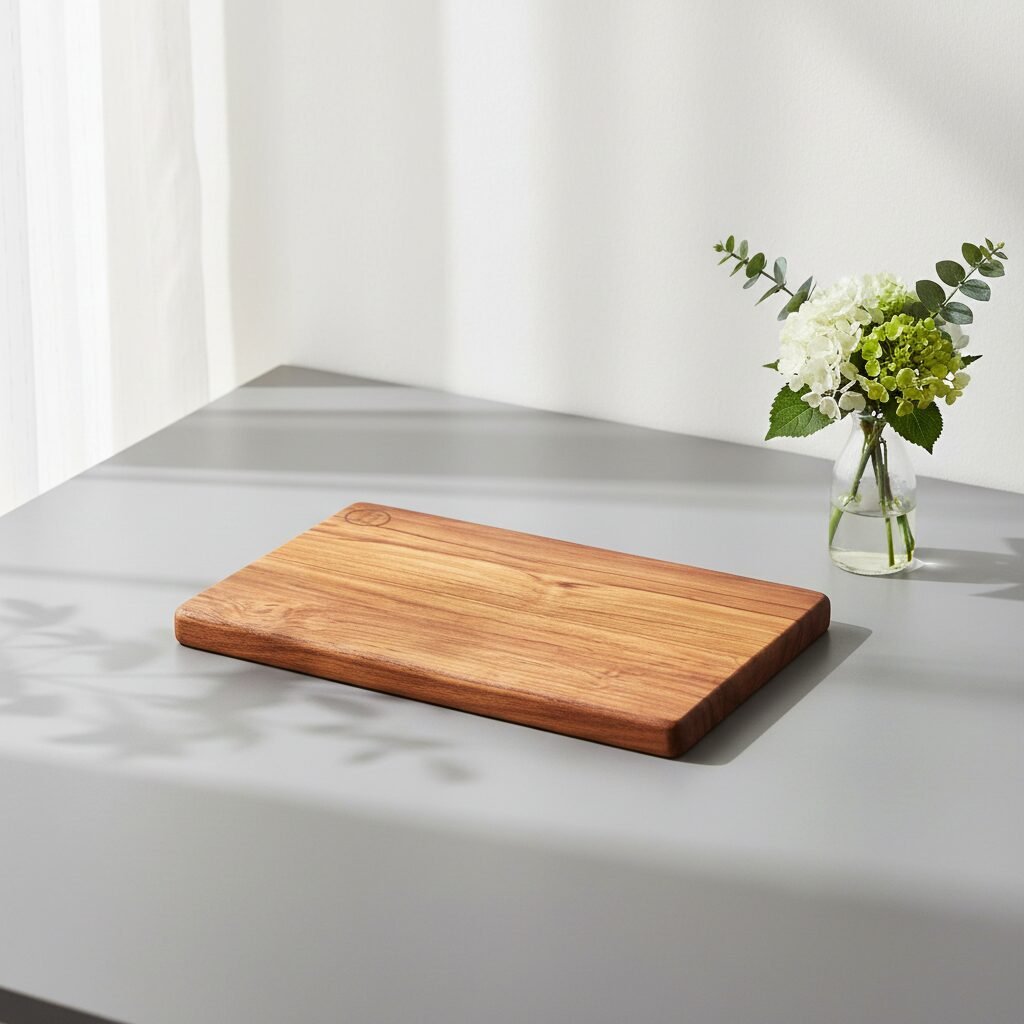
Facts That Make Teak Wood Food Safe
Teak wood is rich in natural oils like tectoquinones that resist moisture, fungus, and bacteria without leaching any chemicals into the food. The FDA recognizes properly finished wood as food-safe contact surfaces. Teak wood withstands cooking temperatures up to 150 degree Farenheit without degrading and does not release toxins. Teak wood cutting boards are known to be high in density and have a low splintering risk. Spoons, ladles, and bowls made of teak wood are known to handle heat from food without leaching or transferring smell or chemicals from the wood to the food.
Common Myths About Teak Wood and Wood in General
Many believe that teak releases toxic oil into the food. The oil in teak is non-toxic, and it protects the wood from splintering, cracking, and warping. This oil also enhances the appearance of the wood itself. It does not transfer any flavours or chemicals to the food. Teak oil is almost odourless, and it does not react even with acidic foods like lemon or vinegar.
The other common myth is that wood will harbour bacteria. This is not true at all. Wood is self-healing, unlike plastic. Wood traps bacteria and kills them almost instantly. Wood like teak, which is rich in oil content, is proven to be more antibacterial than other woods like bamboo and mango wood.
Not all teak is equal for kitchen use. Use untreated teak finished with mineral oil or beeswax. Avoid synthetic coatings while using it for food.
Teak vs Bamboo, Tamarind for Food Safety
Most woods are food-safe. Wood is also known for its durability, resistance to heat, and low maintenance. Some woods often retain the smell and flavors of food, making them less favorable for kitchen use. Porous woods like mango are often best for food use but require care. They transfer food flavors easily due to their porous nature. Bamboo, for instance, is relatively less heat-resistant, and the fibers tend to fall apart after regular use. Tamarind wood is dense but dries out fast. Each wood is good, but they have their own characteristics, making them more or less favorable for kitchen use.
What makes Teak Wood food safe?
Teak wood is dense. High oil content, high heat resistance, and its antibacterial features make it one of the best woods for kitchen use. They are great for chopping boards, bowls, and spoons. They do not transfer flavors or odors easily and have high durability. Teak wood is considered one of the safest material for chopping boards due to its antibacterial and antifungal properties. They are rich in Teak oil, which makes it resistant to water and moisture.
is Tamarind Wood Food Safe
Tamarind wood is dense but dry. The oil content is relatively low. They do tend to dry fast, which makes them maintenance-heavy. They do not transfer food odour or flavor. They are less stain-resistant, as most tamarind wood is light and pale in colour. They are one of the cheapest options for heavy cutting boards and chopping boards, especially for meat. While they are used for other purposes like bowls, care should be taken to ensure that they are well maintained and oiled regularly.
Is Bamboo safe to use for food
Bamboo is less heat-resistant. They are good for cutting boards, but most bamboo boards are crafted by joining wood, which makes them less organic. The joints are also known to break up over time with continuous use, heat, and moisture, making it a less appreciated product in a kitchen. While sustainable and cheap, bamboo lacks durability and aesthetics.
Compared to most other Woods, Teak wood is considered food safe. Features of teak wood make it durable and water resistant apart from it being antibacterial compared to other wooden boards. To know more about the benefits of teak wood, we recommend you read the article , the Guide to teak wood here. as far as hygiene of teak wood chopping boards are concerned, It is to be noted that Teak wood chopping boards are tested and proven to kill bacteria in a few seconds after they come in contact with the wood in most cases.
What Finishes Are Food Safe for Teak Wood
When choosing teak wood utensils, may it be teak wood cutting boards, bowls, or spoons, watch out for the finish. Any synthetic finish is not recommended. Opt for food-safe finishes, usually organic coconut oil, beeswax, tung oil, or mineral oil. Beeswax is known to have the best resistance to moisture and prevents the wood from drying out fast, ensuring high moisture resistance. Oiling the board is part of maintenance.
Watch out for chemicals and avoid any form of lacquer, varnish, or polyurethane in your cutting boards and kitchenware made from teak wood. While they may look very good with these finishes, they are harmful and not food-safe.
Why Teak Wood Is Odour and Flavour Resistant
Teak wood is dense and does not absorb food, moisture, or water. This makes teak the perfect wood even for boat building, which is always in moist areas. Teak resists absorbing anything and is often very slow in releasing its own oil into food. Food, even when hot, may absorb teak oil, which is food-safe and does not have any smell. The rubber-like compound called tectoquinones prevents deep penetration of food like garlic and onion, even when in contact. While woods like mango and bamboo are porous and absorb or trap odours, teak is self-healing making it popular among home chefs. With the oil content naturally in the wood, it prevents absorption of any sort.
Teak wood chopping board – Maintenance and Cleaning
Teak wood can be cleaned with mild soap. Stains are best removed with a baking soda and lemon paste. Odour is usually not a concern in teak wood, but if it does happen, use a vinegar solution or a lemon salt scrub to remove odour. Oil your board when dry or once a month. Teak wood is one of the few woods that requires minimal maintenance. this is one of the Key benefits of teak wood chopping boards. While woods like tamarind and mango require close attention and maintenance, teak is known to be maintenance-free in most cases.
FAQ
Are teak wood utensils safe to eat with?
Yes. Teak wood is non-toxic, does not absorb food or moisture, is antibacterial, and mold-resistant, making it one of the best woods to make kitchen utensils from. Spoons, plates, and chopping boards made from teak wood are not only durable but also 100% food-safe. Always ensure that the teak wood utensils are free from chemicals, industrial adhesives, and joints for durability and food safety.
What are the negatives of teak wood?
Teak wood, though versatile, beautiful, and durable, is known to be expensive and heavy. These are the only two negatives of teak wood. They weigh at least 50% more than most other woods, often double. For instance, a mango wood chopping board weighs 1 kg, while the same dimension teak wood board could be around 2.8 to 3.5 kg.
Does teak wood hold bacteria?
No. On the contrary, teak wood is known to be antibacterial and proven to kill bacteria in seconds in most cases, with 99% of all bacteria killed in 24 hours when in contact. The oil content in teak makes the wood highly antibacterial without any treatment, though fully food-safe. Being antibacterial, chances of salmonella in teak wood chopping boards are reduced effectively making it one of the best boards to cut meat.
How to identify good teak wood?
A good, unpolished teak wood will have fine straight grains, is golden honey-colored with dark tones, and ages well to a dark brown. The wood will have a leathery texture and an earthy smell. Teak wood can be identified by its weight and water drop test. Water droplets are not easily absorbed on teak wood in comparison to other wood.
What is the difference between African teak and Indian teak wood?
The biggest difference between African teak and Indian teak wood is the oil content. Indian teak wood is known to have a higher oil content than African teak, making it more durable, water-resistant, and perfect for kitchen and cooking utensils.
What is the Indian name for teak wood?
Teak is commonly referred to as Tekku or Theku in Southern India, and Saag or Sagwan in the northern part of India.
Which country’s teak is considered the best?
Teak from Burma is considered the best. It is the most sought-after variety for its exceptional quality, rich oil content, fine grains, and durability. Burmese teak is the top choice for exquisite outdoor furniture. the type of teak available in India include Valsad, Malabar / Kerala and more and Kerala teak is considered the best in india.
Which state is known for its teak wood?
While India grows teak in various regions, teak wood from Kerala, especially from the Nilambur region, is the most sought-after teak wood in India. Nilambur teak is known for its high oil content and durability. Forest-grown teak is rare and very expensive and is managed by the government and protected.
Related Topics
Why Teak Wood Is Good for Meat Chopping Boards
Among the best woods in India is Teak. Teak has the beauty and strength to be rated among the top woods for furniture and chopping boards. Teak gets expensive with the age of the tree. Older trees aged more than 40 years are dense and strong, have a particular color and grains, and weigh almost…
Is Teak Wood Good for Chopping Board : 10 Reasons Why Teak Wood Is BEST for Chopping Boards in India
A good chopping board is an essential kitchen accessory for all homes. Top-rated wooden cutting boards can be expensive for most home users but have their own set of advantages. Teak wood from Kerala offers durability and extended life plus the added advantage of aesthetics to your kitchen. When it comes to money, you will…
Why Antibacterial Reversible Teak Wood Cutting Boards Are a Must-Have for Your Kitchen
When purchasing a Teak wood Cutting board, look for a reversible teak wood cutting board which will last a lot longer and you can use both sides, one for meat and fish while the other for vegetables. This ensures that you avoid cross-contamination of food and the cooked food is not contaminated. Teak wood, in…
Why Teak Wood Vegetable Chopping Boards Are the Best Choice for Your Kitchen
One of the few kitchen accessories used daily is a chopping board. Purchasing one that is good, which will last you a long time and is functional and multipurpose, can only add value to your kitchen and home. A poor cutting board is a nuisance and an inconvenience. Poorly crafted boards that slide and dance…
Why Teak is Becoming a Popular Wood for Cutting Boards
Teak was always considered premium quality since ages. In India, teak was a prized possession, used in furniture and construction where aesthetics, durability, and reliability were required. Till the late 1900s, teak was expensive because it was not abundantly cultivated. Considered a forest wood, it was available only at a very high price. With the…
Comparison of Different Types of Wooden Cutting Boards: Teak vs Mango vs Tamarind
In a kitchen, the chopping board is one accessory which is used daily. Most home cooks cannot do without a kitchen cutting board. With that said, the varieties of cutting boards are wide, making a decision a horrendous task. In wood, there are more than 10 varieties which are commonly used. In India, there are…
Benefits of Using a Teak Wood Chopping Board
Why Teak Wood Chopping Boards Deserve a Spot in Your Kitchen For years, wooden cutting boards were a regular household and kitchen accessory. With the introduction of plastic boards in the market, wooden cutting boards took a back seat. Today, wooden cutting boards are considered a premium chopping boards while plastic cutting boards are considered…
Different Types of Teak Wood Used in Chopping Boards: A Complete Guide
A teak wood chopping board often tops the list when it comes to a PERFECT chopping board. They feature the best qualities from unmatched durability, water resistance, timeless elegance and food safety. They are built to look beautiful and also built to last. For a professional chef or a home cook who takes food preparations…
The Ultimate Guide to Care and Maintenance for Teak Wood Chopping Boards: How to Clean, Oil, and Protect Your Wooden Cutting Board for Long-Lasting Use
Teak wood is known for its beauty and durability. Their exceptional durability makes it a perfect material for chopping boards. When you purchase a wooden chopping board, you would want to keep the board in good condition and in its original shape. Unfortunately, over time, your wooden chopping board will lose its lustre and charm.…
