7 Easy tips to maintain your wooden cutting board to make it last longerA wooden cutting board is a timeless kitchen tool known for its durability, natural beauty and knife friendliness. A hardwood chopping board made from Teak, Tamarind, mango wood or neem will last decades if cared for well and if you ensure that it stays hygienic. Below are 7 basic easy maintenance tips to protect your cutting board to ensure that they look brand new for years.
1. Handwash only. Dishwashers are strictly prohibited
Cleaning wooden cutting boards safely requires that you avoid dishwashers. Dishwashers expose your cutting boards to high heat and harsh detergents. This will warp your boards, split or dry out the fibres. Instead, use a mild dish soap and warm water to wash your board. Use a soft sponge or a plastic brush to remove particles. Do not use a steel scrub. Prolonged exposure to water can cause swelling and weaken the fibres. If you are washing an end grain chopping board, the chances of the glues in the joint will loosen deteriorating your board’s quality and lifespan.
2. Dry your board thoroughly to prevent cracks
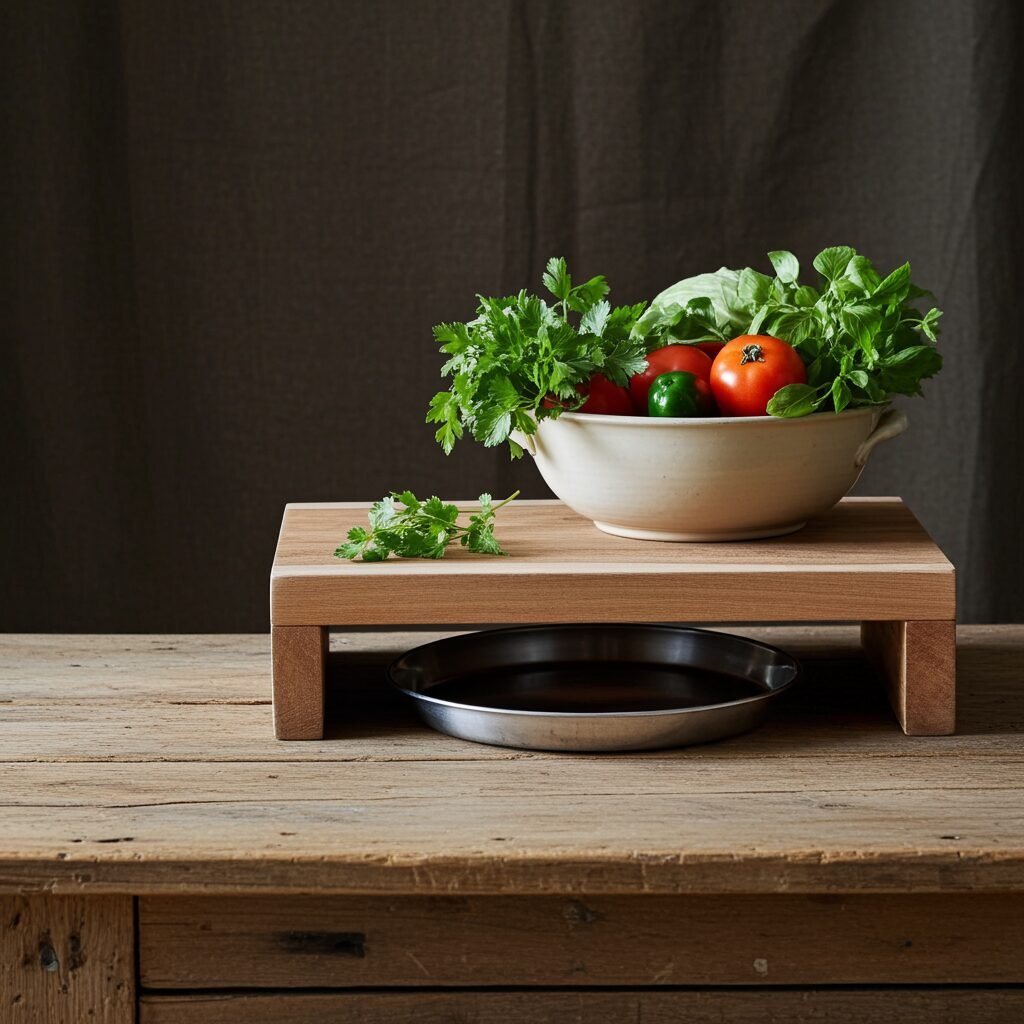
Most Indian households do not have the practice of drying their utensils after washing them. They place them directly on a rack or basket for it to dry naturally. While this is a normal practice and time saving, the practice allows more time for tools like a chopping board to absorb moisture on the surface. The water on the surface will eventually seep into the wood as wood is porous and the time it takes to dry the board is much higher. With more moisture comes the problem of mould and mildew. Also the water absorbed will bloat the wood a bit and loosen the fibres. With constant exposure to water in excess, the board will eventually warp. To prevent warping of wooden chopping boards, dry your chopping board immediately after you wash it with a soft towel. This ensures that the water on the surface is effectively removed, leaving little chance for the moisture to be absorbed. Air dry your board vertically after you wipe the board off. This avoids trapped moisture too.
3. Oil your cutting board regularly
Wooden cutting boards tend to go dry fast. Seasoning your cutting board regularly ensures wood hydration. When possible purchase cutting board maintenance products likemineral oil and beeswax to ensure that your boards stay in pristine condition for long. Preventing wood from drying ensures your board does not crack. Oiling and seasoning your cutting boards also makes it resistant to moisture and stains. Retaining the oil content in your board is important for the antibacterial properties of the wood to be effective. Teak wood chopping boards and tamarind wood chopping boards are naturally antibacterial due to their rich oil content. When the oil content is lost, it not only loses the luster of the board but also affects your hygiene. Make it a practice to oil your board at least once a month. We recommend that you oil the board once a week or whenever you feel the board is dry.
4. Disinfect naturally to eliminate bacteria
When your board is not used for a while or when they are not cleaned regularly, they tend to accumulate dust, mould and mildew. This creates health concerns. A board which has been too wet for too long will also create fungi and is prone to bacterial problems. When the problem gets worse, many users tend to throw their board away or use harsh chemicals to sanitize their boards. Sanitize your cutting boards regularly to remove odours from your chopping boards. This ensures your boards will be free from bacterial infestations. Antibacterial cutting board care does not require harsh chemicals. Sprinkle coarse sea salt and scrub with half a lemon after using raw meat or seafood. Alternatively you can also spray white vinegar solution and wipe clean. This ensures that your board is sanitized with natural alternatives instead of using harsh chemicals.
5. Avoid harsh chemicals and bleach
Practice a toxic free kitchen cleaning method to preserve wooden board longevity. Check for food safe cleaning tips. Avoid bleach and strong detergents that strip away protective oils that damage wood fibres in your cutting board. Over time this leads to splitting and rough surfaces on your chopping boards that will harbour bacteria. Use of harsh chemicals is counterproductive and will ruin your boards faster. This only creates an opportunity for bacteria and moisture to remain on the board affecting food safety but also shortens the life of your board. As a practice, use mild soap. Dilute your dishwashing soap and apply well and rinse off. Do not use harsh chemicals. Never use bleach.
6. Flip and rotate for even wear. Your board is reversible
Most wooden chopping boards are reversible. Even when they are not designed to be reversible, they can be used as reversible chopping boards. Feel free to rotate the board and use one side for meat and the other for chopping vegetables. You don’t need a vegetable cutting board and another meat cutting board. One board works for both. Choose the side you want to use for meat and keep it for meat alone. This ensures food safety and prevents cross contamination. This practice evenly wears cutting boards that you use and ensures a longer life. You will also prevent grooves in wooden boards that are too deep. You will need to resurface a lot less and your board’s thickness will be maintained for longer.
7. Sand out deep cuts. Create a fresh surface every year
Your chopping boards develop deep scratches over time. This is inevitable unless you are using a steel or glass cutting board. Use a fine grit sandpaper to remove the damaged layers once a few months. You can restore your old cutting board to remove bacteria from knife cuts, and rejuvenate wooden boards by seasoning it with oil. You can do this at home or find a woodworker with a sanding tool to get the process done in a few minutes.
It’s important that you maintain your chopping board and these seven tips will ensure your boards are happier for longer.
Related Topics
Is Teak Wood Safe for Food Use – Facts and Myths on Teak Wood Utensils
When sourced properly and maintained, teak wood is a food-safe material for specific kitchenware. With its high natural oil content, teak wood provides antimicrobial properties and inhibits bacterial growth. This makes teak wood a hygienic choice over plastic. It is scientifically proven to be food-safe and, traditionally used since ages, teak wood is one of…
Reasons Why Wooden Chopping Boards Are Better Than Plastic
Plastic has been the preferred choice for chopping vegetables and meat in the past decade. Many users have had complaints about plastic chopping boards, yet they go back to plastic boards time and again. Understanding why wooden boards are better than chopping boards and where they excel will give you a clear perspective on both…
Essential Facts You Must Know Before Buying a Teak Wood Chopping Board
A teak wood chopping board will last decades. But it’s not about durability alone. Teak wood chopping boards are an investment and just like any other investment, you need to take care of your cutting board too. Regular maintenance, oiling and addressing issues related to the board’s wear and tear should be taken care of…
Best Uses of Teak Wood: Common and Unique Applications That Make It the King of Hardwoods
Teak wood is considered a valuable and versatile hardwood, prized for its durability and natural oil and water resistance apart from its beautiful grain patterns. Teak wood is considered a versatile wood which is used both in indoor and outdoor applications where strength, longevity and appearance matter. Apart from furniture, Teak wood has some of…
What to look for when purchasing a teak wood cutting board and how to identify teak wood
Most people are not experts in wood. They believe the wood they purchase is genuine, but this may not be the case. Even with genuine teak, the origin of the wood is important. Apart from the origin, the quality or the grade plays a major role in the life of a teak wood cutting board.This…
Wooden chopping boards that naturally resist fungus/mold growth
Purchasing a wooden chopping board goes beyond aesthetics and durability. When considering a chopping board, most of us overlook common factors including toxicity, food safety, and performance. As a home cook, we understand the importance of a chopping board, but when it comes to purchase decisions we end up buying something based on our budget.…
The worst material for Vegetable Cutting boards
There are a lot of recommendations for Vegetable cutting boards but do you know what materials you shouldn’t choose for vegetable cutting boards? Over the years we have seen a lot of material in the chopping board industry. We have moved from traditional wooden chopping boards to mostly plastic. But other materials have evolved over…
Why Tamarind Wood Cutting Boards For Meat is Preferred Compared to Teak Chopping Boards
Teak is a tough wood and it is beautiful too. Then why is tamarind wood chopping boards preferred choice in commercial butcher shops compared to teak? Ever wondered why teak is not used for cutting meat in a commercial butcher shop? There are multiple reasons why butchers prefer tamarind wood and not teak, even though…