
Meat cutting Boards require some special attention. Raw meat in particular is prone to more bacteria than vegetables and requires proper cleaning post cutting. Meat can be a cause of a range of bacteria including salmonella, E. coli and more. These bacteria can often transfer to other food, especially raw vegetables cut for salads and bread which are not cooked after cutting. Health hazards are high and a dedicated cutting board is often recommended for cutting meat. This article explores the different cutting boards you can use for cutting meat and your alternatives to avoid multiple boards. We also take a quick look at knife friendliness of boards for cutting meat, especially when cleavers and heavy knives are used.
Shop Meat and butcher cutting boards
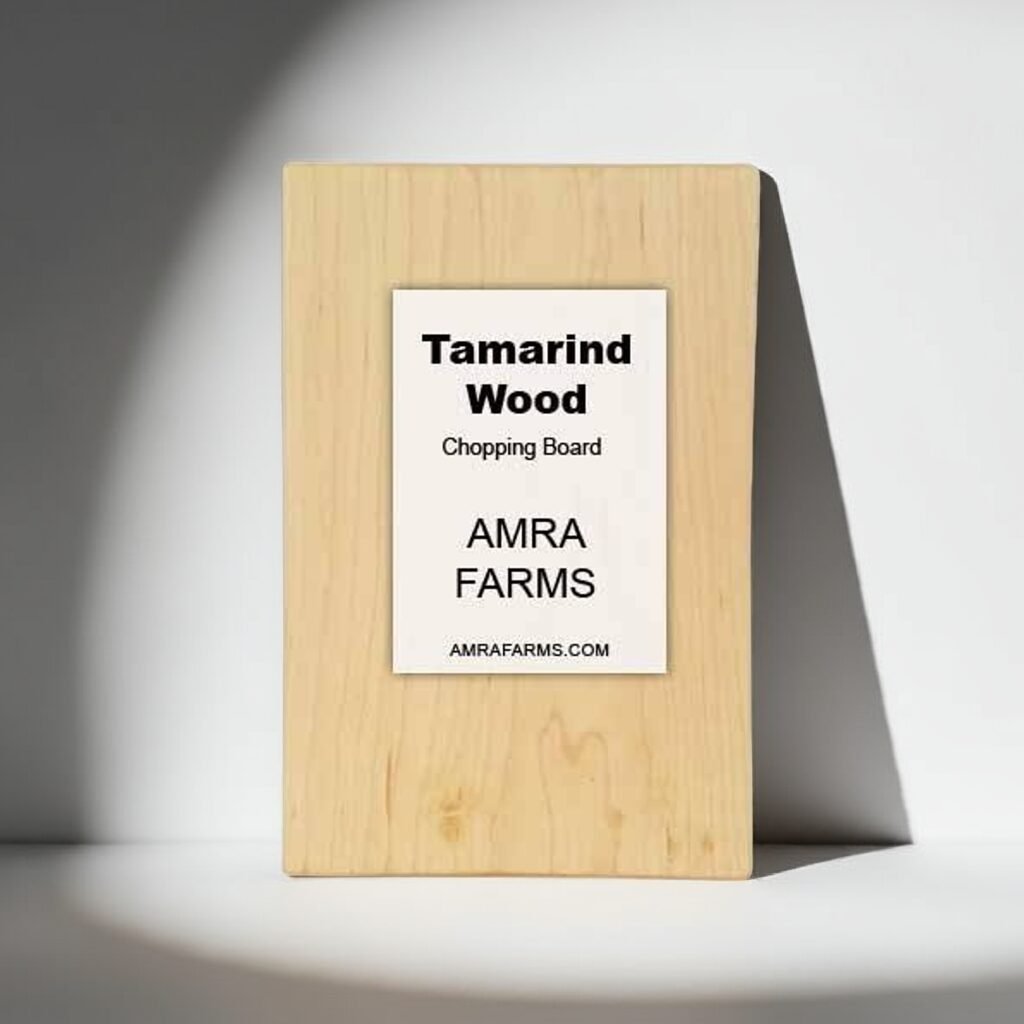
Medium Premium Single Block Tamarind Wood Chopping Board 10×16×1.5 Inch – PuliMutti Collection
Original price was: ₹2,479.00.₹1,499.00Current price is: ₹1,499.00.Large Single Block Tamarind Wood Chopping Board 12×18×1.5 Inch – Butcher Block
Original price was: ₹2,479.00.₹1,999.00Current price is: ₹1,999.00.Single Block Tamarind Wood Cutting Board 14×8×1.5 Inch – Butcher Block
Original price was: ₹1,279.00.₹799.00Current price is: ₹799.00.
Why You Need a Separate Chopping Board for Meat
The main reason why professionals recommend a separate chopping board for meat is due to cross contamination. Meat carries a lot of bacteria including salmonella, listeria and E. coli. This could be a potential health hazard. A separate board will allow your food, cooked and non-cooked, to be separate. This reduces the risk of cross contamination. There is also a concern of food density. Most vegetables and bread are often light to cut and a thin vegetable cutting board is often the right choice. Meat, especially boned meat, may require heavy cutting and a board which is dense. This is often not required for regular use and may be an overkill to use a butcher cutting board to cut light vegetables. Kitchen chopping board types vary, just like knives. Using the right board for the right task is not just convenient but safe too.
- Preventing cross-contamination : Prevents bacteria from meat from being transferred to vegetables and bread, especially when they are not going to be cooked. Salads are often best cut on a separate board and are not recommended on a board that you cut raw meat on.
- Food safety considerations : Food safety is one of the major considerations, due to which separate boards are recommended. Especially in commercial kitchens, the use of separate boards is recommended for different food. Seafood is cut on a blue board, vegetables on a green cutting board, raw meat on red and cooked meat on a brown board. Bread is often cut on a white board. This ensures food safety and no mix-up.
- Maintaining flavour integrity of other foods : Using different boards for different foods also ensures the flavour of the food is not transferred from one food to another. When you cut meat, especially cooked meat, there may be a possibility of transferring the flavours of the food to others like pastry or bread which may not be desirable. Using a separate board ensures the flavours are separated and do not interfere with each other.
- Types of Chopping Boards for Meat
When considering boards, there are a wide range of cutting boards for meat. Starting from wood, there are plastic chopping boards, bamboo boards and rubber. Steel cutting boards are also one of the main contenders while glass and stone too are used in some kitchens though not recommended. In wood cutting boards alone there are over 40 varieties of common wood which are used for cutting boards though only 3–4 of them are recommended for cutting meat. Let’s explore the wood types and the construction and how they compare to other materials.
Wooden Chopping boards for meat and its construction
Wooden boards are the most common cutting boards used for meat cutting in home kitchens. Though not preferred in commercial kitchens, for homes wood is considered a safe meat preparation surface. The wide variety of wooden chopping boards may be confusing to many and choosing the right wooden chopping board for meat preparation requires some knowledge about the board and the construction.
Hardwood vs softwood for Cutting meat
Not all wood is the same. Hardwood and softwood as the name suggests are different based on the density of the wood. Softwood is lighter and less dense. Softwood often is more porous and allows more water absorption. Mango wood for instance is a softwood. Hardwood is more dense, can take a lot of cuts and is not sensitive to pressure. Teak wood and tamarind wood are hardwoods which are less porous, do not absorb moisture and will last longer. Hardwood is recommended for meat preparation as they are more dense and allow for heavy chopping. Soft wood absorbs moisture is prone to fungal and mold problems and is not good for cutting meat.
End grain vs edge grain Meat cutting boards
Apart from the wood, construction of chopping boards has its own benefits. tow options available are Edge grain cutting boards and End grain chopping boards. Edge grain cutting boards are single block or joined cutting boards with the surface displaying the horizontal wood fibres. They are durable but are not knife friendly when compared to an end grain cutting board. End grain cutting boards feature the vertical wood fibres on the surface and are gentler on the knives. The fibres allow a cushioning effect on the sharp end of the knives. End grain cutting boards are joined with multiple parts of the wood to create one large board. Some wooden boards also come as single block cutting boards in end grain. For meat preparation, an end grain cutting board is preferred. An edge grain cutting board can also be used for cutting meat, provided the board is dense and thick. We recommend a 2 inch cutting board for meat.
Common wood used for cutting meat
The variety of wood used to cut meat can often be confusing. The variety of wood available in India includes teak, tamarind, mango, neem, rubber, acacia and bamboo. Other boards which are available include maple, walnut and composite boards. While some of these woods are perfect for cutting meat others are not. There are pros and cons to each wooden board.
- Teak wood : Teak wood chopping boards are aesthetically pleasing, dense and rich in oil content. They are antibacterial, durable and safe for cutting meat. A 2 inch edge grain or an end grain cutting board is often preferred for meat preparation. Considered one of the best woods in general, teak wood cutting boards are often expensive and you should expect to pay a premium price for a teak wood meat cutting board.
- Tamarind wood : Tamarind wood cutting boards are dense, light coloured wood and perfect for cutting meat. They are durable but require some maintenance. One of the most time-tested woods for cutting meat, tamarind wood is antibacterial, heavy-duty butcher board. Choose a thick tamarind wood cutting board for cutting meat.
- Acacia : Not as dense, prone to cracking, acacia wood is good for cutting meat provided they are well maintained. Heavy chopping is not recommended on an acacia board. Cutting boned meat should be done with care. Edge grain cutting boards are not recommended in an acacia cutting board for meat. Choose an end grain cutting board, preferably 2 inch thick for cutting meat. They are not rich in oil content which makes them vulnerable to moisture absorption. Oil your board regularly.
- Neem wood Cutting boards : Neem is naturally antibacterial and one of the few woods best suited for Cutting meat. Neem wood is prone to cracking when not maintained and should be cared for well. A 2 inch neem wood chopping board is recommended for cutting meat. always keep your neem wood chopping boards dry to prevent cracking or warping
- Bamboo : Bamboo is one of the least tolerant boards when it comes to cutting meat. They are highly porous and absorb moisture. They are also hard to clean and require maintenance. Bamboo is also hard on knives making it less suitable for meat preparation. Joined bamboo wood is also prone to cracking.
- Rubber cutting boards : Rubber wood is different from rubber cutting boards. A rubber cutting board is made from rubber and not rubber wood. Rubber wood is preferred for vegetables and is not recommended for meat as they are porous. Rubber cutting boards, made from organic rubber on the other hand, allow for a dense, slip-free cutting surface which is non-porous and easy to clean. They are recommended for meat as long as the rubber is dense and is thick.
Other material used for cutting meat
Plastic, stainless steel, glass and stone are other materials used for cutting meat. They are not as widely recommended for home use due to various concerns.
- Plastic cutting boards : Plastic boards are not preferred by most home users due to concerns of microplastics. Restaurants on the other hand are required to use plastic cutting boards, coloured for each food type. Plastic boards, depending on the density of the plastic, can be used for cutting meat. Choose at least a one inch thick cutting board. Plastic cutting boards are usually dishwasher safe but could warp over time when you dish wash them. They are not self-healing which makes them unsafe after a few months of use.
- Steel cutting boards : Gaining popularity fast, steel cutting boards are commonly used in many kitchens especially at home. Commercial kitchens do not use a steel cutting board due to safety concerns. Steel cutting boards cannot hold food in place. Food which is slippery like fish and meat cannot hold itself in place on a steel cutting board which makes them risky to cut on. Though hygienic and easy to clean, steel cutting boards are often risky.
- Glass cutting boards : One of the least recommended boards for cutting raw meat is glass. You need an impact-resistant cutting board for cutting meat. Glass is fragile and can result in chipping and cracking.
- Stone cutting boards : Stone is one of the least used materials for cutting boards. They are not knife friendly and make for terrible performance. They can be slippery and hard to carry or move. While easy to clean, the cons outweigh the pros of a stone cutting board in most cases.
Key Features to Look For in a meat chopping board
A heavy-duty butcher block board should be able to handle heavy cuts. But that’s not the only feature required. A good board should be antibacterial, easy to clean, durable and aesthetically pleasing. Some of the key features you should be looking for in a cutting board for meat include the below.
Size & Thickness recommended for a meat cutting board
If you usually prepare small quantities, you may want a small board. A 10x16x2 inch board is often sufficient for regular cooking. But if you are a large family and if you cook large meals, often a kilo or more of meat at any particular time, you should opt for a larger board. 12x18x2 inch teak wood cutting board or even a 14x22x2 inch cutting board is a great option. When it comes to thickness of the board, always opt for one which is thick. 2 inches is recommended for a butcher block. If you are cutting boned meat you may need a thick cutting board. Fish and seafood are often slippery and require a board that can hold itself sturdy on your countertop. A heavy-duty cutting board which is 2 inch thick will often hold its place well.
wooden cutting board Stability and workspace for meat preparation
Cutting meat and seafood requires a stable surface. Thicker boards are more stable than thin ones. The size of the board is also key. Choose a board which is wide enough and can accommodate your food. A large board is often the best choice, especially when cutting food like fish which are longer. Choose according to your food preferences.
chopping boards with Juice Grooves for Meat prep
Juice grooves help prevent spillage and dirty counters. Juice groove cutting board benefits outweigh the small price you have to pay in cleaning the board. The slight change in your board ensures reduced spillage while cutting meat and preventing bacterial runoff onto your kitchen counter. Raw meat food safety practices are not just about keeping the board clean but also about the designs of the board.
Maintenance Requirements of a meat cutting board
A good board will need to be maintained. Wooden boards made from tamarind wood usually require more maintenance than teak wood. Know your wood type and ensure your maintenance is done in time. A weekly oiling schedule is recommended for all wooden boards. Create a cutting board cleaning routine. Learn how to oil wooden cutting boards and do it right. Maintaining your cutting board is essential in preventing cutting board warping. Chopping board lifespan increases with proper maintenance. Wooden boards last a long time with proper care and wooden cutting boards are restored easily even when they seem out of shape. Yearly resurfacing is recommended too.
Oil treatment, washing, drying required for meat cutting boards
Oiling your Wooden board regularly, preferably once a week, is recommended. Never dishwash your cutting board. Hand wash is recommended and use a mild soap to ensure the oil in the board does not seep away. Dry the board with a towel immediately after washing.
