
I started to cook at an early age. It was a necessity and not something I did because I was passionate about it. I loved food but cooking was something I was taught as a skill. My mom taught me basic cooking while I was 10. I could heat milk, make tea and make a sandwich then. When I was 16 I moved and lived separately. Eating outside every day was not healthy and could be expensive very fast. Since I was in a crunch for money, it was important to save as much as possible and cooking was important. I started to learn fast. This is the time when kitchen accessories and their uses were introduced to me. Till then, a knife and a wok would have cooked most of my meal. Things changed now.
Shop Wooden Chopping boards
Single Block Chopping Board 14×7×.75 Inch – Rectangular Teak Wood Edge Grain Cutting Board
Original price was: ₹1,199.00.₹889.00Current price is: ₹889.00.Small Premium Single Block Teak Wood Bar Chopping Board 14×8 x1 inch – Wooden Cutting Board
Original price was: ₹1,999.00.₹1,484.01Current price is: ₹1,484.01.Neem Wood Chopping Board with Juice Groove – Wooden Cutting Board
Price range: ₹1,499.00 through ₹1,799.00Medium Premium Single Block Tamarind Wood Chopping Board 10×16×1.5 Inch – PuliMutti Collection
Original price was: ₹2,199.00.₹1,699.00Current price is: ₹1,699.00.XL Extra Large Single Block Teak Wood Meat Cutting Board 12×18×1 Inch – Wooden Chopping Board
Original price was: ₹4,299.00.₹3,289.00Current price is: ₹3,289.00.Small Single Block Teak Wood Chopping Board 14×6×.75 Inch – Edge Grain Chopping Board
Original price was: ₹1,099.00.₹789.00Current price is: ₹789.00.
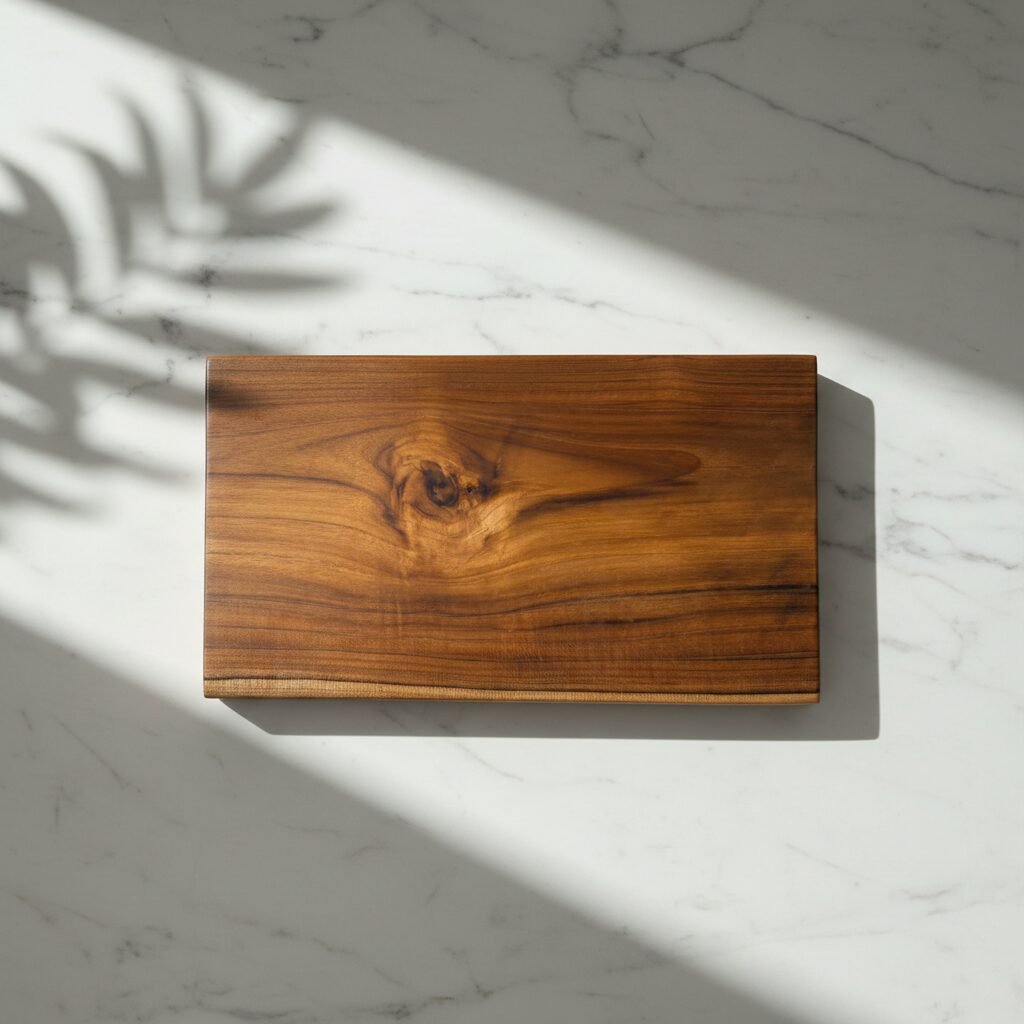
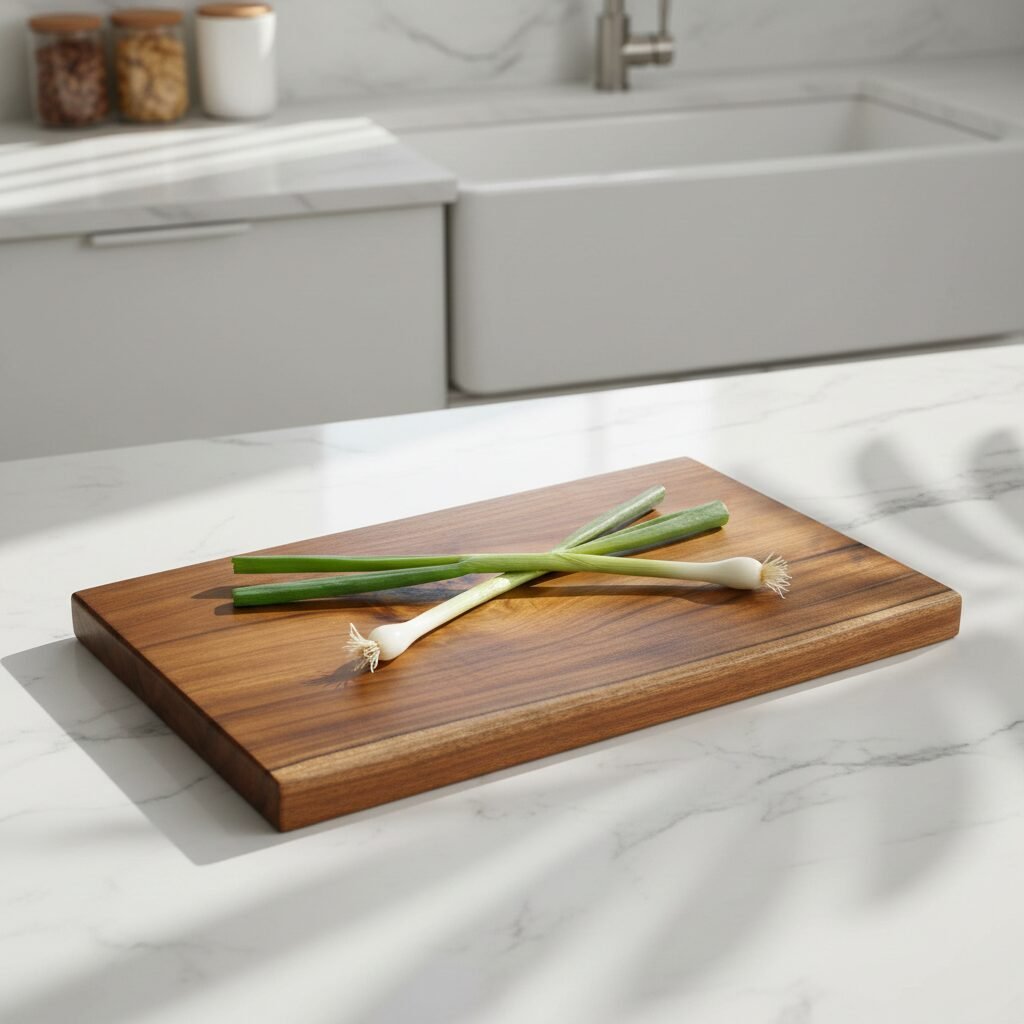
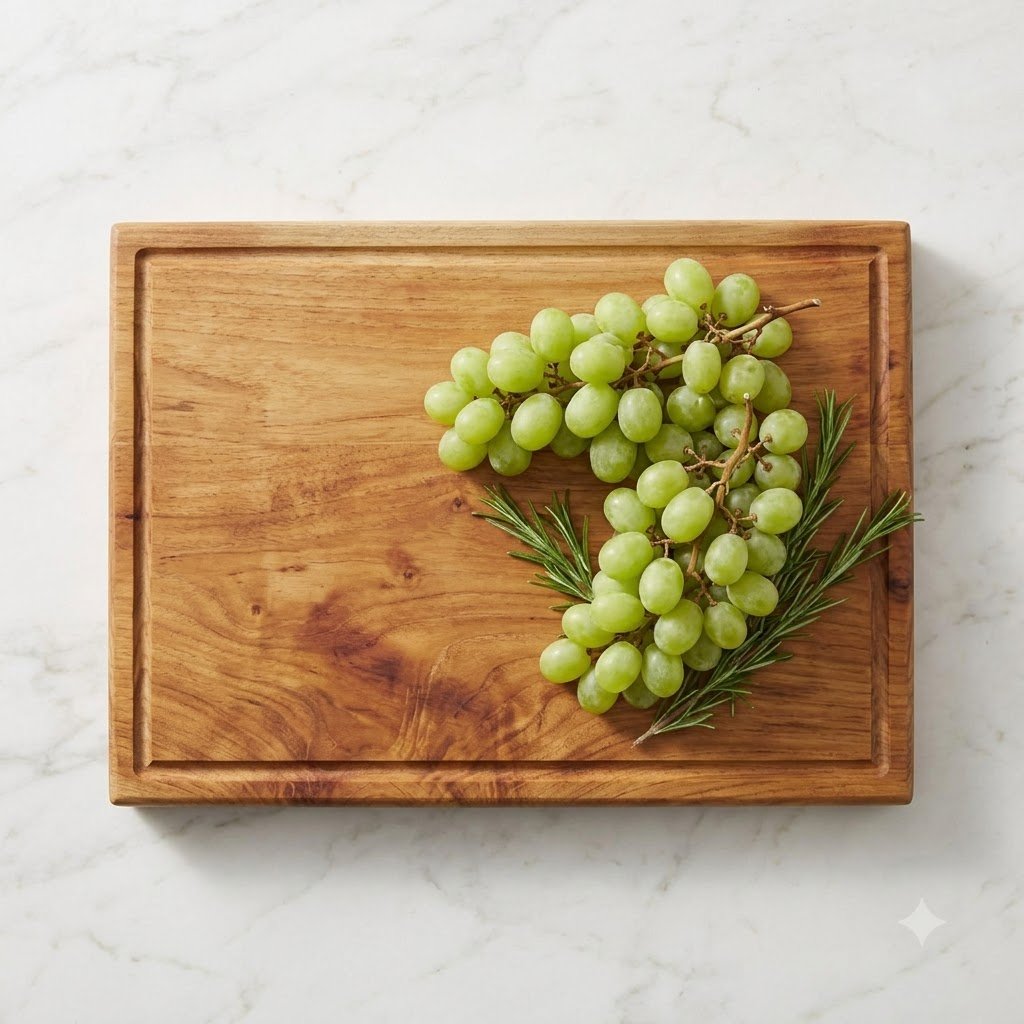
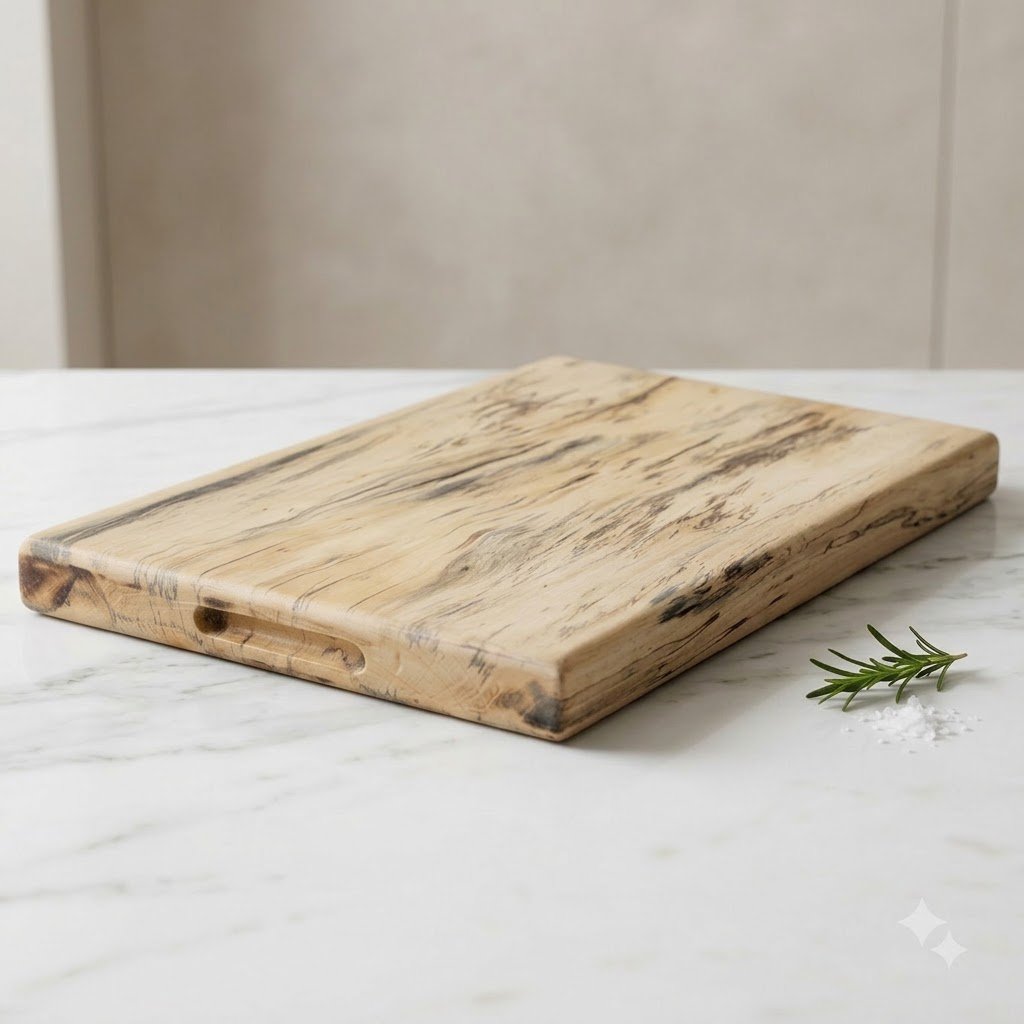
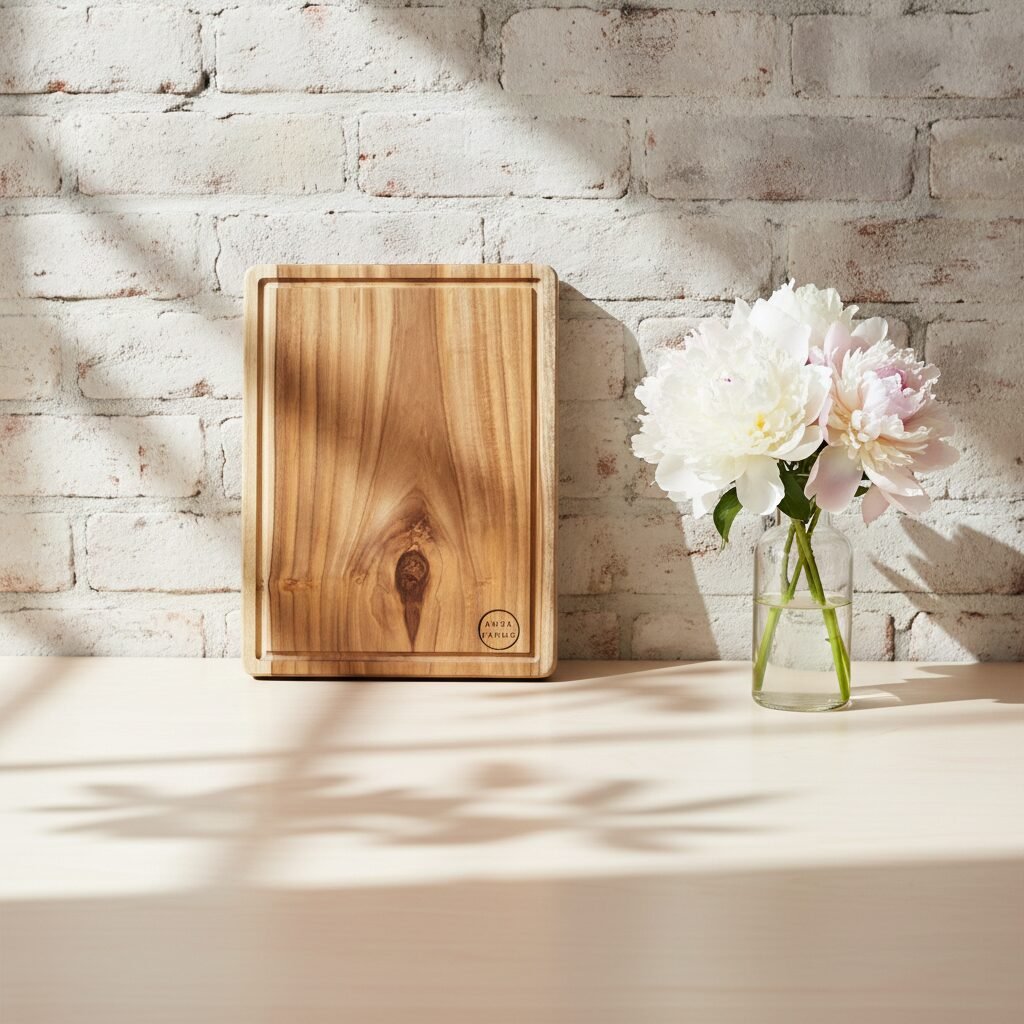
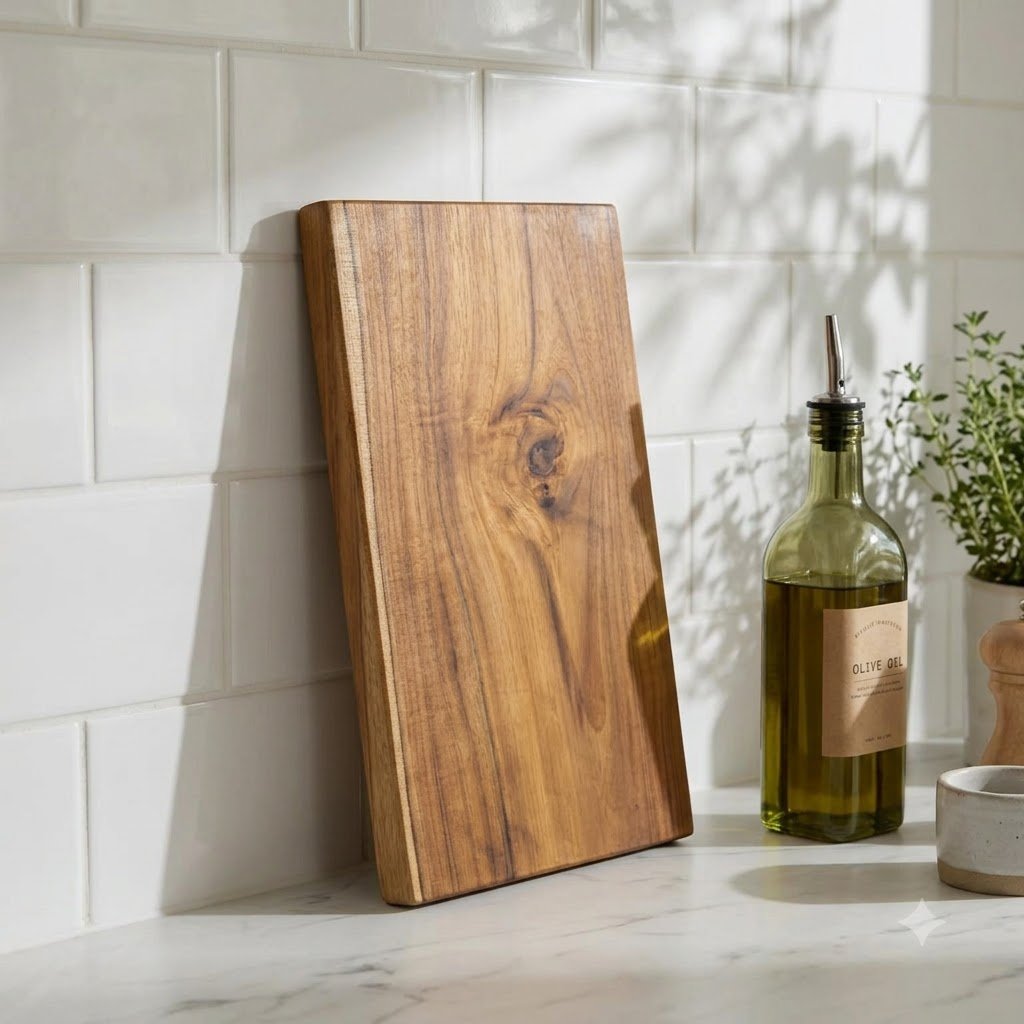
Introducing kitchen accessories to my small home began with a pressure cooker and then a skillet and then came the chopping board. I used to cut my veggies on the countertop. This left the countertop messy and being a teen I was lazy and often found myself with a dirty countertop. So I decided to go for a quick fix. The chopping board. The cheapest one. A plastic board which cost me less than Rs.200. The first few days I was excited to use the board. The board was handy. Easy to handle. Did the job. Kept my countertop clean and I had to clean a lot lesser.
Frankly a plastic cutting board is not that bad. I used the board for over 3 years. It was dirty, warped and beyond recognition before I decided to discard a white chopping board that had turned nearly gray. Now comes the turning point. Being used to cutting veggies on a board since 3 years now made it a habit. It was almost impossible to cut vegetables without a cutting board now.
So off I went shopping. I realized what most people experience when they go shopping and find too many choices. I was facing the same situation now. There were wooden chopping boards, plastic chopping boards, bamboo cutting boards, glass chopping boards, marble chopping boards. In the wooden category there was end grain and edge grain and a thicker option which was called the butcher block.
For a 20-year-old, decision is usually easy when you have very little to spend. My budget was tight but the options were plenty. I could simply go for a plastic board because it was cheap and would save me a lot. The problem was, bamboo was almost the same price. Then there was steel which was cheaper and glass which did look beautiful. Wood was a bit expensive and the end grain boards and butcher boards were the most expensive. I was definitely not going to pick the end grain or the butcher blocks as they were way more than what I could afford. But the rest of them were in my budget. The wooden cutting board slightly more than what I had in mind but still something I could purchase.
Buying a kitchen cutting board shouldn’t be so hard. I just need a vegetable chopping board. Since I am not going to cut meat, a meat cutting board or a butcher block was not something that I would need. I hardly had any guests and did not host parties. Serving blocks, carving boards and cheese boards were also not a consideration. But still… the choices were plenty.
Time for some research
I was looking for a cutting board which was easy to maintain, easy to handle and had a relatively long life. I would definitely love a board which looks good too but that does not mean that I am going to spend a lot for the looks alone and compromise on the functionality of the board. I did not have a dishwasher so a dishwasher safe cutting board was off the list. I was not concerned about cross-contamination. Since I am a vegetarian I did not have need to prevent cross-contamination. I was not willing to put more than 10-15 minutes into sanitizing cutting board and on cutting board hygiene or cutting board maintenance. Fortunately even a wooden cutting board did not require more than 15 minutes of maintenance on them per week. Regular cleaning of cutting board was not a problem.
That still left me with all the options still on the board.
The next was to go with the features. There were grooved cutting boards, reversible cutting boards, knife friendly surfaces and a non-slip cutting board. All of which were important. Other features like eco-friendly cutting boards, BPA free cutting boards and antibacterial cutting boards at least did not really concern me at first glance. Most plastic boards would be ruled out if I had to consider something eco-friendly and BPA free. With other options available at the same price, I was not worried if I had to look for other options.
Since bamboo, wood and glass were all in the same price range and still affordable, I ruled out plastic. Why not if I can go for something safe. But now the real test. I had to rule out glass. I am a bachelor and I am a bit careless and clumsy, prone to dropping dishes and food in the kitchen. I did not like the idea of cleaning up glass shards from my kitchen floor. What remained was bamboo, wood and steel. I really loved the steel cutting board. It was easy to clean, durable and perfect for everything. I was not concerned about my knife either. I did not have a professional knife which would go blunt.
Frankly bamboo cutting boards were off the list because of the poor reviews they have and the way they are manufactured. Lots of glues and the procedure was really not something which I enjoyed. Heat, water treatment, ironed out, high pressure. Glues again. Not really the best practice of manufacturing and the glue used was good but was it food safe. This looked worse than most plastic boards. Eventually between the choice of steel and wood, I had to choose wood because it offered everything that a steel board does and looks better too. With that said, wooden cutting boards are not free from their own set of problems. They are bulky, heavy, require some maintenance and definitely have a shorter lifespan than a steel board. For me the wooden boards were a bargain. Though more than what I would have had to pay for a steel board, wooden boards are more time-tested.
Related Topics
Is Teak Wood Safe for Food Use – Facts and Myths on Teak Wood Utensils
When sourced properly and maintained, teak wood is a food-safe material for specific kitchenware. With its high natural oil content, teak wood provides antimicrobial properties and inhibits bacterial growth. This makes teak wood a hygienic choice over plastic. It is scientifically proven to be food-safe and, traditionally used since ages, teak wood is one of…
Reasons Why Wooden Chopping Boards Are Better Than Plastic
Plastic has been the preferred choice for chopping vegetables and meat in the past decade. Many users have had complaints about plastic chopping boards, yet they go back to plastic boards time and again. Understanding why wooden cutting boards are better than plastic chopping boards and where they excel will give you a clear perspective…
Essential Facts You Must Know Before Buying a Teak Wood Chopping Board
A teak wood chopping board will last decades. But it’s not about durability alone. Teak wood chopping boards are an investment and just like any other investment, you need to take care of your cutting board too. Regular maintenance, oiling and addressing issues related to the board’s wear and tear should be taken care of…
Best Uses of Teak Wood: Common and Unique Applications That Make It the King of Hardwoods
Teak wood is considered a valuable and versatile hardwood, prized for its durability and natural oil and water resistance apart from its beautiful grain patterns. Teak wood is considered a versatile wood which is used both in indoor and outdoor applications where strength, longevity and appearance matter. Apart from furniture, Teak wood has some of…
What to look for when purchasing a teak wood cutting board and how to identify teak wood
Most people are not experts in wood. They believe the wood they purchase is genuine, but this may not be the case. Even with genuine teak, the origin of the wood is important. Apart from the origin, the quality or the grade plays a major role in the life of a teak wood cutting board.…
Why Tamarind Wood Cutting Boards For Meat is Preferred Compared to Teak Chopping Boards
Teak is a tough wood and it is beautiful too. Then why is tamarind wood chopping boards preferred choice in commercial butcher shops compared to teak? Ever wondered why teak is not used for cutting meat in a commercial butcher shop? There are multiple reasons why butchers prefer tamarind wood and not teak, even though…
