
Wooden cutting board oiling goes under a lot of debate. When to oil your board, how to oil it, and what oil to use are common discussions. To safely maintain and extend the lifespan of your wooden chopping board, oil your board with food-safe mineral oil or coconut oil that is resistant to rancidity. The oil should not leave any aftertaste or smell on the board and should improve the quality of the board. Some of the most common oils that are perfect for a cutting board are below.
Products by Category
Wood Butter for Chopping Boards 100ml (85g) – Wood Conditioner & Wood Wax | Amra Farms
Original price was: ₹499.00.₹299.00Current price is: ₹299.00.Wood Butter for Chopping Boards 30g – Wood Conditioner & Wood Wax
Original price was: ₹299.00.₹199.00Current price is: ₹199.00.
- Food Safe Mineral oil: Mineral oil is derived from petroleum. It is food safe. Mineral oil is chemically inert and does not react with other substances, making it resistant to rancidity. It is insoluble in water. Used in medicinal, cosmetic applications, industrial applications, and cutting board surfaces to protect wooden surfaces, mineral oil is safe but could interfere with fat-soluble vitamins if ingested regularly. Though widely used in treating cutting boards, mineral oil is not the safest option in the market.
- Fractionated Coconut oil: The refined version of a coconut oil that does not go rancid. This is the safest option in the Indian market, which is widely available. Fractionated coconut oil is the oil which can be in liquid form even in slightly lower temperatures. When coconut oil is stored below 23 degrees Celsius, it turns slightly solidified. Fractionated coconut oil is refined to separate the oil based on its melting points which has a different chemical composition. Fractionated coconut oil has more long-chain fatty acids, while the regular coconut oil is a combination of both medium-chain and long-chain fatty acids.
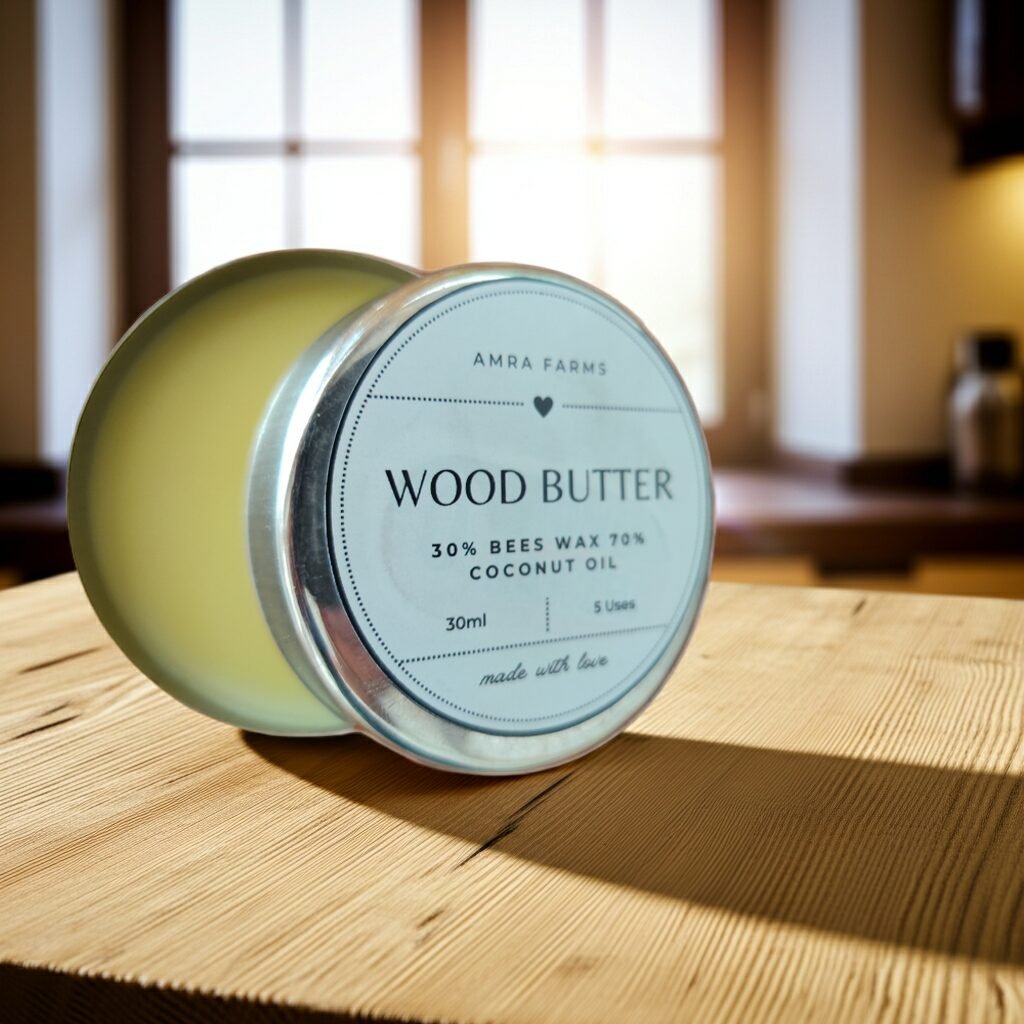
- Beeswax: Beeswax is usually blended with mineral oil to add hydration and water resistance to a cutting board. It provides a natural shine and protection to the board. Beeswax is a natural product which is the byproduct after extracting honey from a beehive. Beeswax is available online and in any bee farms and it’s a safe product. You can use it separately but the best results are seen when they are blended with mineral oil making it soft and buttery, often marketed as wood butter.
- Linseed oil: Linseed oil is the extract from linseeds or flax seeds. Flax seed is widely consumed and has a lot of nutritional benefits. The oil is safe for consumption. Linseed oil can turn rancid. Avoid boiled linseed oil as they are toxic. Use only cold-pressed linseed oil to reduce the chances of rancidity.
Staff picks
Oils you should avoid for wooden chopping boards
Not all oils are the same. Regular vegetable oils which are used for cooking vary in their composition and could turn rancid. Using them on a cutting board may bring in the texture and protection to the board but would turn rancid, contaminating the food you consume and leaving a bad aftertaste in them. Some of the oils to avoid include:
- Olive oil
- Canola oil
- Sunflower oil
- Cottonseed oil
- Sesame oil
When considering oils, also check for allergic reactions. Some nut oil like walnut oil are safe to use on cutting boards but could cause problems to people with nut allergies. In general, coconut oil is safe for consumption and is usually not allergic to people. Avoid regular coconut oil though, as it may cause rancidity.
How often should I oil my cutting board
A wooden cutting board requires regular oiling, but how do you know when to oil your board? Is there a regular routine? Wooden boards vary on maintenance. Teak wood is rich in natural oils and requires lesser maintenance. You could oil the board once in 45 days or even 2 months and still have a perfectly functional, beautiful-looking board. Mango wood chopping boards are slightly more maintenance-intensive, and it is important to watch out for dryness in the board and oil them when it feels dry. Usually, this could be once in 2 weeks and in some cases once a month. But here are some easy tips on when to oil your cutting board:
- New cutting boards: Oil your cutting board every week for a month if your board is new. This helps the wood become saturated and protected. Oil increases water resistance and humidity resistance. This is very important for tropical areas where humidity is high. After a month, you should oil the boards once a month in most cases.
- Regular maintenance: Once your board is well seasoned for a month, oil them monthly. Fix a date or a day (first weekend of the month) and oil the board thoroughly late in the evening and let the oil absorb for the night. Wipe it clean the next morning before use. If you do not use the board regularly, you can season them once in 2–3 months. remember to sanitize your board before you oil it to ensure the board is free from bacteria. use a Cleaning spray for your chopping board or a hydrogen peroxide mixture.
- Signs your board needs oiling: We all use the boards differently and maintain them differently. Your wooden cutting boards may become dry rapidly when you use dishwasher or liquid soap depending on the concentration. Watch for dry or pale appearance, rough texture. When you feel that the board is dry, it is time to oil your boards. It may be in weeks or 2 weeks, but when it’s dry, it is an indication to oil your boards. Also, if you see water absorbing on the surface instead of beading on the surface, you should consider oiling, especially in woods like mango and bamboo.
Tips For Effective Oiling
Before oiling your board, clean the board thoroughly. Scrape all food particles, wash with lukewarm water and mild soap. Dry with a towel and air dry thoroughly and ensure there is no moisture. Do not dry the board in the sun. Once the board is dry, apply oil thoroughly. Massage the board surface and sides. Let the oil soak in. Leave the board overnight to ensure the oil is absorbed thoroughly. Wipe dry with a clean cloth the next morning and rinse with water. If you are in a humid area, you may need to oil your boards more frequently to avoid mould. Mould is common in bamboo and wood that are more porous. Teak wood and hardwood often resist mold. if you board is scratched or have a lot of knife marks, resurface your board before oiling.
Can I use Coconut oil on all types of cutting boards
The simple answer is yes. You can use fractionated coconut oil on all wooden boards. Coconut oil is naturally antibacterial and food-safe, making it an ideal oil for wooden and bamboo cutting boards. Beware though, unrefined coconut oil has the tendency to go rancid. If you use regular coconut oil, ensure it is applied sparingly and cleaned off properly after seasoning. Use a dry cloth to thoroughly wipe off all excess oil. After application of regular coconut oil, rinse with mild soap water. Do not use coconut oil on plastic boards. Choosing the right oil is as important and so is the right way to oil your chopping board.
Why oil your boards
Wooden boards have their own natural oil content. Teak wood is a great example with rich teak oil content which is antibacterial. Oil in wood helps repel pests naturally and also maintain its luster and beauty. It makes the wood water-resistant, rot-resistant, and durable. Oil content in each wood is different, and some have higher oil content than others. With regular use, the depletion of natural oils is imminent. To ensure a balance in the oil content, it needs to be supplemented. Mineral oil and coconut oil application creates a balance, reduces loss of oil content, and maintains its moisture level, ensuring the wood remains intact for a longer period of time without warping and cracking.
Related Topics
Is Teak Wood Safe for Food Use – Facts and Myths on Teak Wood Utensils
When sourced properly and maintained, teak wood is a food-safe material for specific kitchenware. With its high natural oil content, teak wood provides antimicrobial properties and inhibits bacterial growth. This makes teak wood a hygienic choice over plastic. It is scientifically proven to be food-safe and, traditionally used since ages, teak wood is one of…
Reasons Why Wooden Chopping Boards Are Better Than Plastic
Plastic has been the preferred choice for chopping vegetables and meat in the past decade. Many users have had complaints about plastic chopping boards, yet they go back to plastic boards time and again. Understanding why wooden cutting boards are better than plastic chopping boards and where they excel will give you a clear perspective…
Essential Facts You Must Know Before Buying a Teak Wood Chopping Board
A teak wood chopping board will last decades. But it’s not about durability alone. Teak wood chopping boards are an investment and just like any other investment, you need to take care of your cutting board too. Regular maintenance, oiling and addressing issues related to the board’s wear and tear should be taken care of…
Best Uses of Teak Wood: Common and Unique Applications That Make It the King of Hardwoods
Teak wood is considered a valuable and versatile hardwood, prized for its durability and natural oil and water resistance apart from its beautiful grain patterns. Teak wood is considered a versatile wood which is used both in indoor and outdoor applications where strength, longevity and appearance matter. Apart from furniture, Teak wood has some of…
What to look for when purchasing a teak wood cutting board and how to identify teak wood
Most people are not experts in wood. They believe the wood they purchase is genuine, but this may not be the case. Even with genuine teak, the origin of the wood is important. Apart from the origin, the quality or the grade plays a major role in the life of a teak wood cutting board.…
Why Tamarind Wood Cutting Boards For Meat is Preferred Compared to Teak Chopping Boards
Teak is a tough wood and it is beautiful too. Then why is tamarind wood chopping boards preferred choice in commercial butcher shops compared to teak? Ever wondered why teak is not used for cutting meat in a commercial butcher shop? There are multiple reasons why butchers prefer tamarind wood and not teak, even though…
