
The humble wooden chopping board is more than just any kitchen essential. It’s a part of the global market that shapes your home and restaurants. Sustainability, durability and aesthetics take centre stage in kitchenware trends while the wooden chopping boards are quietly dominating the industry. Here are some facts and statistics that reveal just how important these boards have become worldwide.
Wooden chopping boards are everywhere.
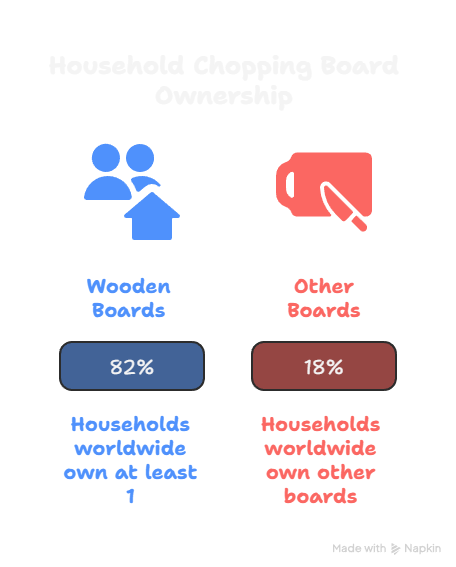
82% of households worldwide own at least 1 wooden chopping board. That is 8 out of 10 homes worldwide across continents relying on wooden boards daily. Let that sink in. From slicing and dicing to chopping heavy dense vegetables, or prepping family dinners, the wooden chopping board has become the essential kitchen accessory worldwide. Not that it is new. As a matter of fact, it has always been this way for centuries with little changes in trends even with newer material and products entering the market.
Leaders in the cutting board market
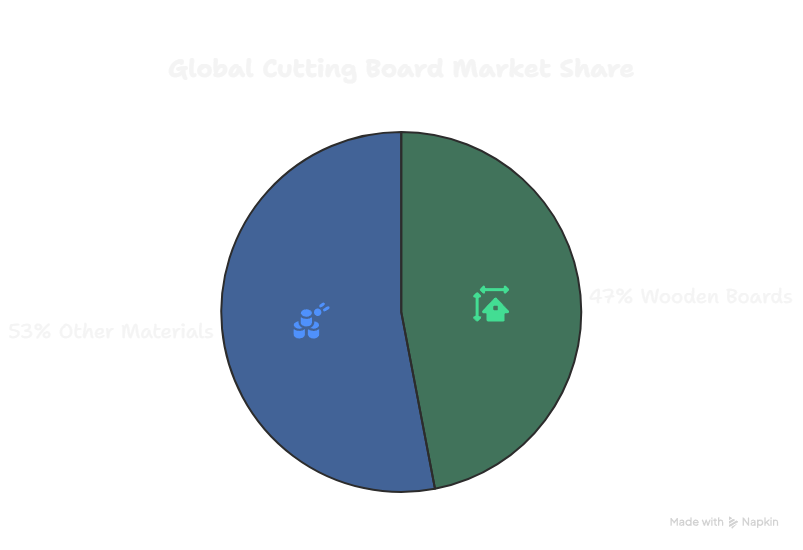
Wooden chopping boards own a significant market share of 47% globally. 47% of the global cutting board market is dominated by wooden variants leaving innovative material like bamboo, glass, plastic and steel fighting for the rest of the market. Wooden chopping boards have always been the first choice for homeowners. The only reason why they move on to other material is not because they are superior, but because they are cheap and easily available.
Chefs love the wooden chopping boards
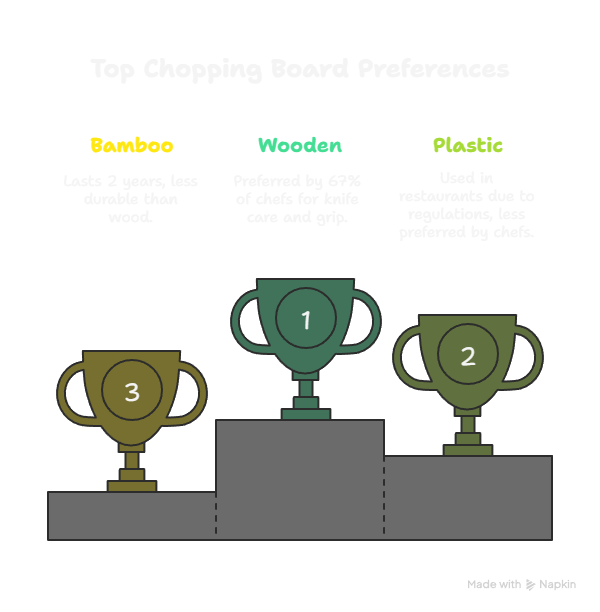
Professional chefs are known for their high standards. 67% of professional chefs prefer a wooden chopping board over plastic boards. As a matter of fact, most chefs use a wooden chopping board at home while they are forced to use plastic chopping boards in restaurants due to regulations. Wooden chopping boards are gentler on knife blades, provide a better grip and last longer when maintained well. Chef knives usually are more expensive and could vary in price from a few 100 Dollars to a few 1000 Dollars. Keeping the blades sharp is a concern for most professional chefs and wooden chopping boards ensure that the blades are sharper for longer.
Durability is Key. Wooden chopping boards are more durable
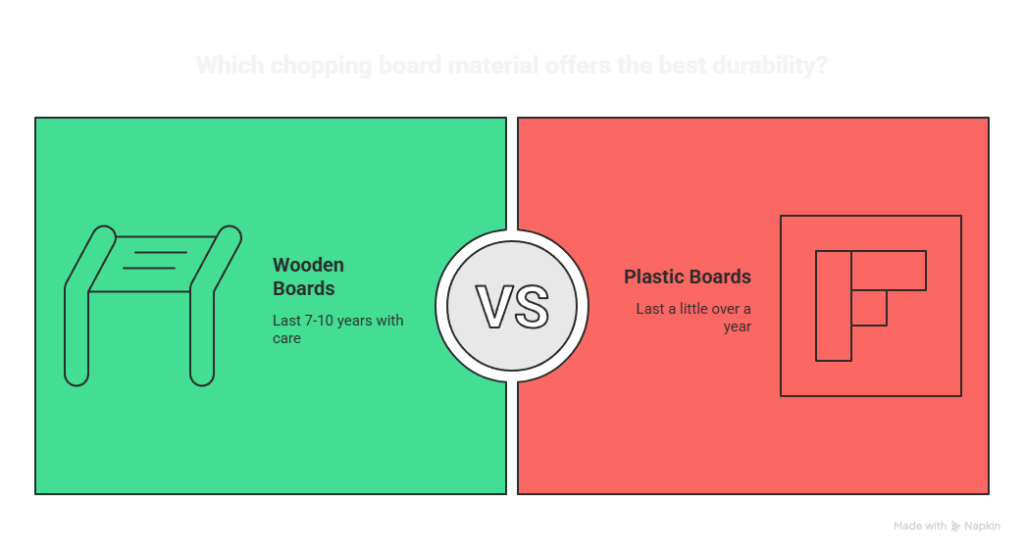
59% of consumers believe that wooden chopping boards last longer than bamboo boards. While plastic boards have a lifespan of a little over a year, teak wood chopping boards can last 7-10 years with regular care. Bamboo boards have a 2-year lifespan. While glass and steel have a longer lifespan, they lack the features which make them superior. A good wooden chopping board outlives 4-5 plastic chopping boards in its lifetime.
Multiple chopping boards is the new norm
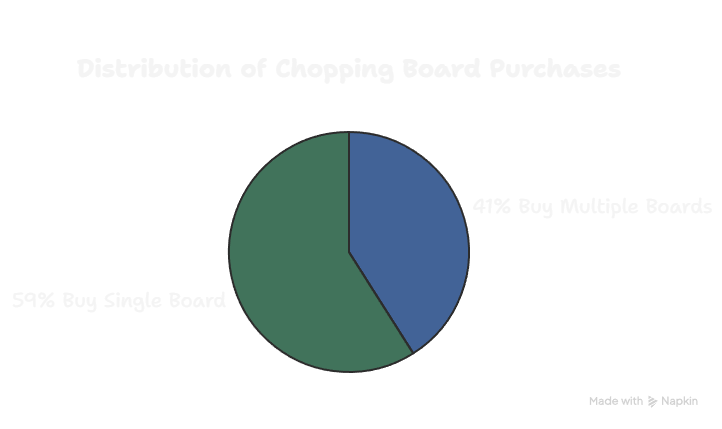
It’s not uncommon for people to buy more than one chopping board at a time but 41% of kitchenware buyers purchase at least 2 chopping boards at a time. That is a significant number of people buying more than one board at a time. 2 separate boards for vegetables and meat is not uncommon in India. But it’s not uncommon worldwide either to ensure prevention of cross-contamination in food at home. This also shows the heavy-duty use which requires owning multiple chopping boards as a standard practice.
Teak is the star of the show
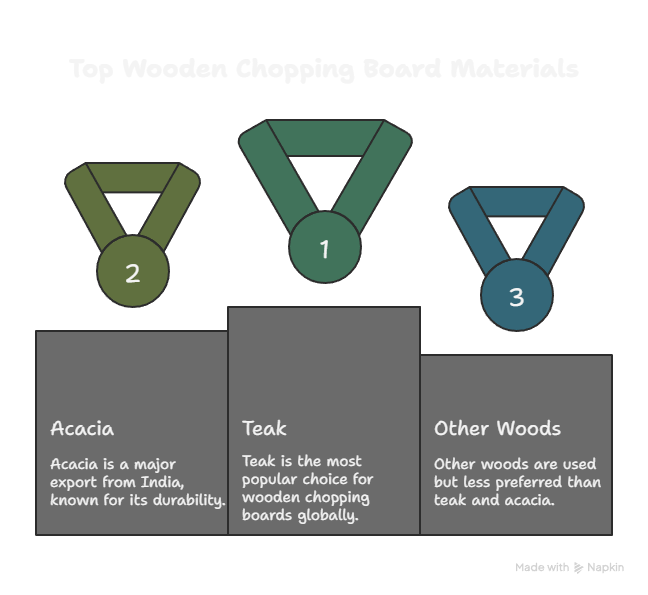
36% of all wooden chopping boards sold globally are made from teak wood. You may think of teak as a luxury wood but the availability of teak wood and the accessibility, along with its features make teak wood the preferred material among all wooden chopping board materials. The high natural oil content, luxurious finish and water resistance feature coupled with the antibacterial features make a teak wood chopping board one of the best-selling wood for chopping boards.
India as a leader in Wooden chopping board manufacturers
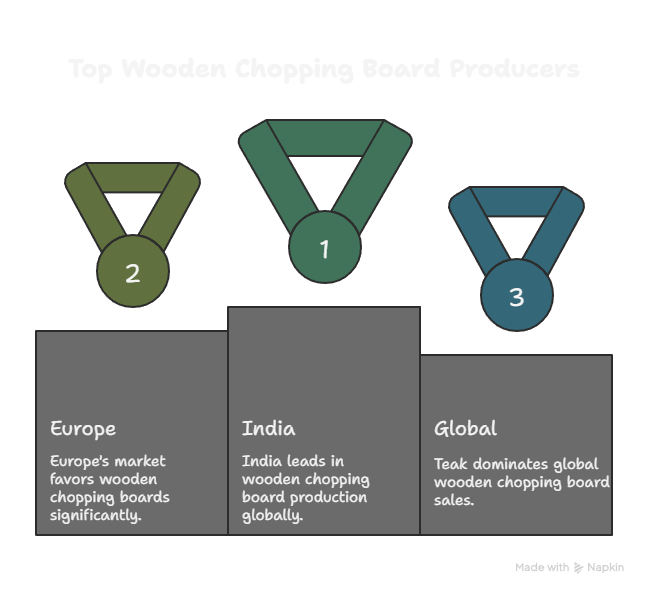
12% of all wooden chopping boards are produced in India. India is a major player in the market of wooden chopping boards due to the rich access to teak and acacia. The country exports beautifully crafted boards to households worldwide. Acacia and teak are the most exported wooden chopping boards worldwide.
Europe and its love for wooden cutting boards
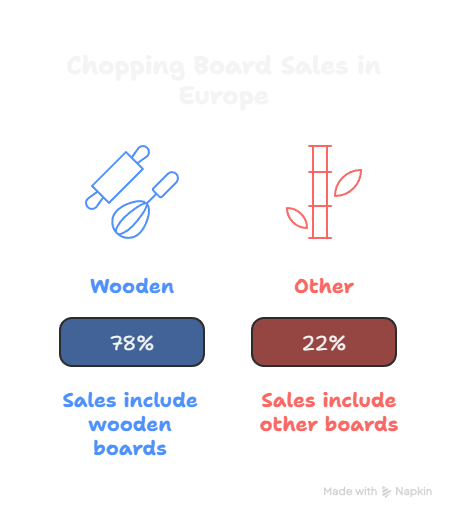
78% of chopping board sales in Europe include at least one wooden chopping board. Europe is known for its regional preference for traditional durable kitchen tools. They adore wooden chopping boards and prefer to use a wooden cutting board over plastic or bamboo boards. This is more rooted in tradition than health or sustainable options.
Replacement habits in the USA
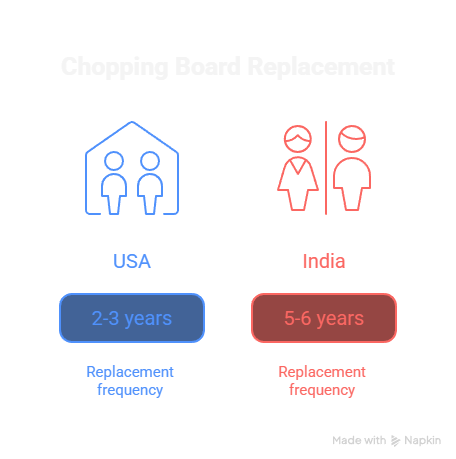
Homeowners in the USA tend to change wooden chopping boards every 2-3 years. 25% of the US households prefer to change their wooden chopping boards every 2 or 3 years. This could be due to wear and tear or for a stylish upgrade. Americans are not afraid to refresh their kitchen essentials regularly, compared to Indians who change their cutting boards usually after 5-6 years. Some wooden chopping boards in India are often changed after decades as they can be resurfaced and reconditioned to a new board.
The stats don’t lie, wooden chopping boards are a global favourite. The durability, aesthetics, appeal and knife-friendly surface makes them an essential part of every modern kitchen. Wooden chopping boards have clearly carved out a massive space in the hearts of professional chefs and everyday home cooks. Join the majority of households who embrace the beauty and practicality of a wooden chopping board.
Related Topics
Is Teak Wood Safe for Food Use – Facts and Myths on Teak Wood Utensils
When sourced properly and maintained, teak wood is a food-safe material for specific kitchenware. With its high natural oil content, teak wood provides antimicrobial properties and inhibits bacterial growth. This makes teak wood a hygienic choice over plastic. It is scientifically proven to be food-safe and, traditionally used since ages, teak wood is one of…
Reasons Why Wooden Chopping Boards Are Better Than Plastic
Plastic has been the preferred choice for chopping vegetables and meat in the past decade. Many users have had complaints about plastic chopping boards, yet they go back to plastic boards time and again. Understanding why wooden boards are better than chopping boards and where they excel will give you a clear perspective on both…
Essential Facts You Must Know Before Buying a Teak Wood Chopping Board
A teak wood chopping board will last decades. But it’s not about durability alone.Teak wood chopping boards are an investment and just like any other investment, you need to take care of your cutting board too. Regular maintenance, oiling and addressing issues related to the board’s wear and tear should be taken care of promptly.…
Best Uses of Teak Wood: Common and Unique Applications That Make It the King of Hardwoods
Teak wood is considered a valuable and versatile hardwood, prized for its durability and natural oil and water resistance apart from its beautiful grain patterns. Teak wood is considered a versatile wood which is used both in indoor and outdoor applications where strength, longevity and appearance matter. Apart from furniture, Teak wood has some of…
What to look for when purchasing a teak wood cutting board and how to identify teak wood
Most people are not experts in wood. They believe the wood they purchase is genuine, but this may not be the case. Even with genuine teak, the origin of the wood is important. Apart from the origin, the quality or the grade plays a major role in the life of a teak wood cutting board.This…
Wooden chopping boards that naturally resist fungus/mould growth
Purchasing a wooden chopping board goes beyond aesthetics and durability. When considering a chopping board, most of us overlook common factors including toxicity, food safety, and performance. As a home cook, we understand the importance of a chopping board, but when it comes to purchase decisions we end up buying something based on our budget.…
The worst material for Vegetable Cutting boards
There are a lot of recommendations for Vegetable cutting boards but do you know what materials you shouldn’t choose for vegetable cutting boards? Over the years we have seen a lot of material in the chopping board industry. We have moved from traditional wooden chopping boards to mostly plastic. But other materials have evolved over…
Why Tamarind Wood Cutting Boards For Meat is Preferred Compared to Teak Chopping Boards
Teak is a tough wood and it is beautiful too. Then why is tamarind wood chopping boards preferred choice in commercial butcher shops compared to teak? Ever wondered why teak is not used for cutting meat in a commercial butcher shop? There are multiple reasons why butchers prefer tamarind wood and not teak, even though…
Shop Teak Wood Cutting Boards
Luxury Wooden Chopping boards to match your Beautiful home
