
Among the best woods in India is Teak. Teak has the beauty and strength to be rated among the top woods for furniture and chopping boards. Teak gets expensive with the age of the tree. Older trees aged more than 40 years are dense and strong, have a particular color and grains, and weigh almost 1/3 more than younger trees. The heartwood is dark brown and beautiful, while compared to younger trees, which are yellowish golden in color.
Products by Category
Medium Premium Single Block Tamarind Wood Chopping Board 10×16×1.5 Inch – PuliMutti Collection
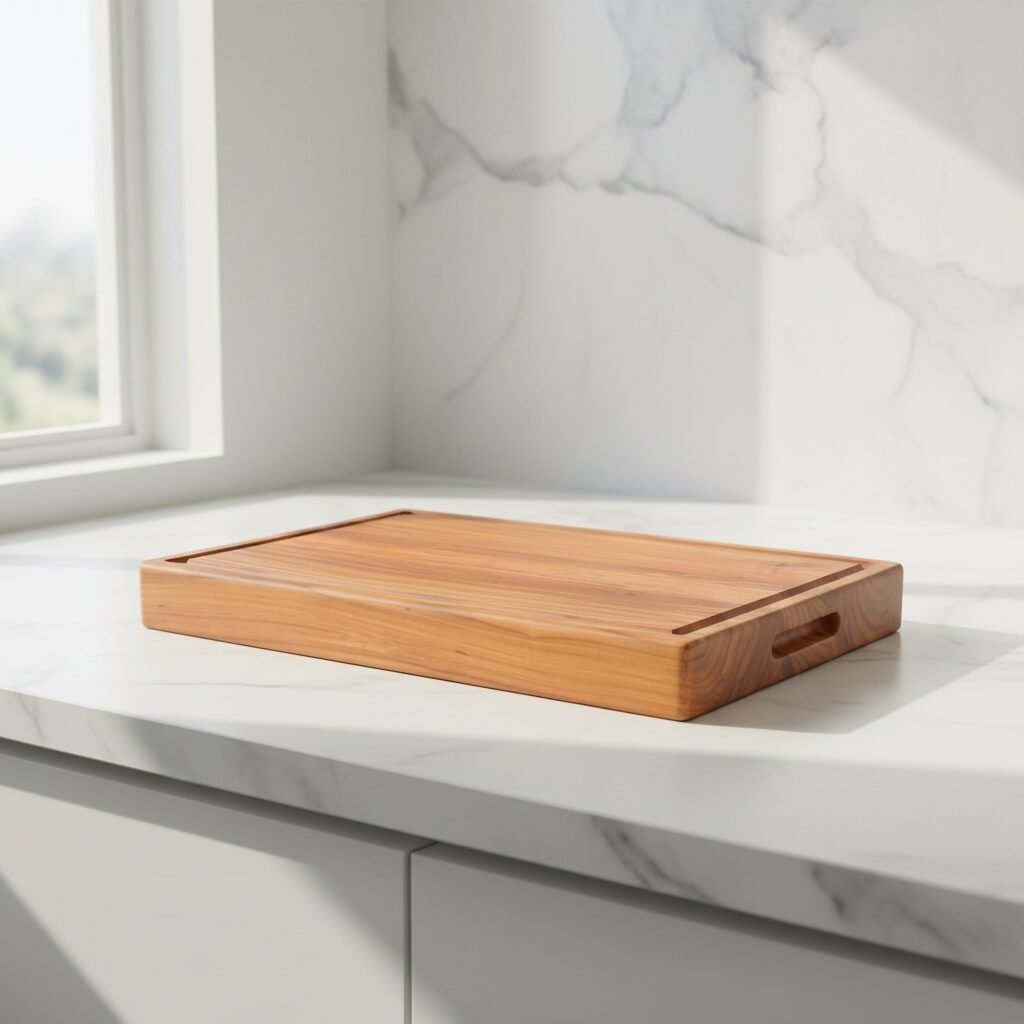
Original price was: ₹2,479.00.₹1,499.00Current price is: ₹1,499.00.Amra Farms Single Block Teak Wood Butcher Block 10x16x2 Inch: Meat Cutting Wooden Board
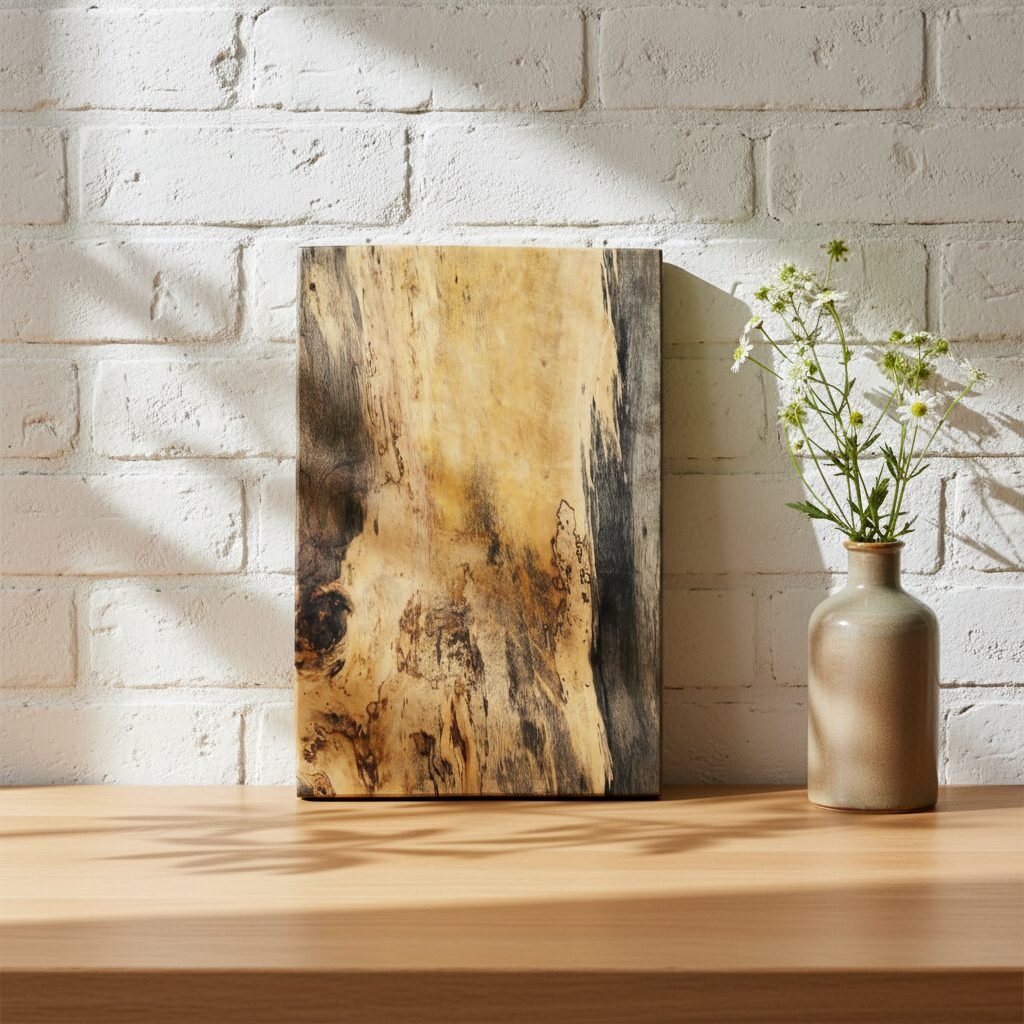
Original price was: ₹4,299.00.₹3,499.00Current price is: ₹3,499.00.Large Spalted Tamarind Wood Cutting Board 11×18×1 Inch – Wooden Chopping Board
Original price was: ₹2,479.00.₹1,249.00Current price is: ₹1,249.00.Single Block Tamarind Wood Cutting Board 14×8×1.5 Inch – Butcher Block
Original price was: ₹1,279.00.₹799.00Current price is: ₹799.00.
Extra Large Teak Wood Vegetable Cutting Board 18×24×2 Inch – Craft Series 2 inch Cutting board
₹8,999.00Medium Spalted Tamarind Wood Meat Cutting Board 10×16×1 Inch – Wooden Chopping Board
Original price was: ₹1,279.00.₹999.00Current price is: ₹999.00.

Chefs choose Teak wood for cutting boards for its durability, hygiene, and knife friendliness. Teak wood is among the most durable wood options. The high natural oil content, impact resistance, and self-healing wood fibers make Teak wood chopping boards a preferred choice among top chefs. Compared to plastic, bamboo, steel, and glass, Teak wood stands apart with its aesthetic appeal, sustainability, hygiene, and food safety.
Top reasons why top chefs prefer Teak wood range from durability to food safety. Here are the best features that make Teak wood the preferred material for chopping boards, especially in the wooden chopping board category..
Teak Excels in Durability & Strength
- Teak wood is known for its exceptional hardness and strength. The high hardness rating of 1200 ensures Teak can withstand heavy chopping without excessive wear. While a perfect board for home kitchens, Teak is also one of the preferred wooden boards for butchers. The durability of teak wood makes it one of the best wood for Furnitures, doors, windows and more
- Teak wood is tough and provides a scratch-resistant surface. The natural density and oil content of the wood prevent deep knife marks, directly reducing areas where bacteria can accumulate. Also, did you know that bacteria are killed in 3 seconds in chopping boards naturally with its antibacterial features?
- Both end grain and edge grain chopping boards have their own set of benefits. While end grain chopping boards are more self-healing, edge grain chopping boards provide a smoother surface with fewer knife marks.
- Teak wood is splinter-resistant, and its splinter-resistant properties ensure safe and longer-lasting use. Unlike other woods which are prone to splintering, Teak is less prone to splintering.
- Designed to handle rigorous cutting tasks, Teak remains resilient under pressure and a top choice for meat chopping boards. Its heavy-duty performance is tried and tested by butchers and professional chefs alike.
Teak is Both Moisture resistant & Rot Resistance
- Naturally water-repellent, Teak wood is known for its high natural oil content that acts as a protective barrier, significantly reducing meat juice absorption. The water-repellent natural oils combined with the wood’s healing properties prevent moisture build-up.
- Teak is naturally rot-resistant and highly durable, making it ideal for long-term kitchen use without degrading over time. A study by K.M. Bhat, P.K. Thulasidas, E.J. Maria Florence, and K. Jayaraman indicates that Teak is naturally resistant to rot due to its chemical composition.
- Teak has low porosity, and its antimicrobial properties prevent mold and bacteria growth, ensuring a hygienic surface for raw meat preparation. The dense feature of Teak wood prevents water from seeping in, which also adds to the wood’s durability.
- With its exceptional stability and ability to withstand humidity changes, Teak is resistant to warping and cracking, making it one of the most reliable materials for meat chopping boards.
Teak wood is Hygienic and food safe
- The natural oils and antimicrobial compounds in Teak wood help reduce bacterial growth, making it a safe choice for food preparation. The naturally antibacterial properties of Teak wood are attributed to its chemical composition and resistance to a wide variety of bacteria.
- Wood is naturally safer than plastic. Teak wood is USDA-approved, and unlike plastic, which develops knife grooves that trap bacteria, Teak wood offers a more hygienic alternative. Also, wood is self-healing, which puts plastic chopping boards on the back foot when it comes to food safety.
- While cross-contamination is not entirely eradicated, the low porosity and natural resistance to moisture reduce the risk of cross-contamination, making it a superior alternative to bamboo and plastic. Cross-contamination in Teak does require precautions and safe practices, just like every other chopping board material, though.
- Due to its natural antibacterial properties, Teak requires minimal need for food-grade treatment and less chemical treatment compared to other wood. Teak wood is a safer surface for raw meat prep.
- Teak wood is antibacterial and mold-resistant, which keeps your chopping surface hygienic with minimal maintenance.
Teak is known to be Knife-Friendliness & functional for Chopping boards
- When looking at chopping boards, especially for professional use and involving expensive knives, an optimal hardness for cutting is required. Teak strikes the balance between hard and soft, preventing excessive knife dullness yet being durable.
- Teak wood chopping boards is gentler on knives than plastic. Unlike plastic cutting boards, which cause microscopic abrasions on blades, Teak’s natural grain structure is knife-friendly and preserves its sharpness. While some teak wood types are known to dull knives, this is completely dependent on the type.
- The oil content and dense fibers reduce friction on knife edges. For superior blade retention, Teak is one of the best options for a chopping board, keeping your blades sharper for longer.
- While Maple, Oak, Mango, Acacia, and a variety of woods are popular choices, Teak has higher moisture resistance, better antimicrobial properties, and is one of the preferred options to cut raw meat.
- Teak’s shock-absorbing properties prevent excessive impact on the blade and reduce knife damage over an extended period. If you are a professional chef with a professional knife, minimizing knife wear and tear is crucial, making Teak a top option.
Teak wood requires minimal Maintenance & Care
- Wooden boards, in particular, require regular maintenance. Unlike plastic, steel, and glass, wooden chopping boards require frequent oiling and proper maintenance. Use food-grade mineral oil, beeswax, or coconut oil to maintain the natural moisture resistance of Teak wood. This ensures good aesthetics and longevity of the boards.
- Ensuring that the Teak wood does not lose its natural oils is important for its longevity. This also prevents drying and cracking of the wood. Oiling your Teak wood cutting boards periodically is key to keeping your boards in shape for a longer period of time. Regular seasoning of the Teak wood chopping boards not only improves the life of the board but also its beauty.
- Teak wood chopping boards, and all wooden chopping boards, are not dishwasher-safe. Proper cleaning methods with mild soap and warm water, avoiding harsh detergents, and ensuring your boards are dry after use ensures that the protective oils are not stripped away from the wood.
- Disinfecting your chopping boards is important, but it should be done without damage. Use a vinegar-water solution or lemon and salt to disinfect without harming the wood. Do not use hot water, harsh chemicals, or detergents.
- While Teak is resistant to moisture, leaving your board wet for long periods can weaken the wood fibers over time. Avoid excessive moisture exposure to your chopping boards.
Read more on Teak wood care and maintenance.
Aesthetic Appeal of Teak wood
- Teak wood, in general, is an exotic hardwood that exudes elegance. Teak’s rich natural grain and golden brown hue make it a stunning addition to any kitchen.
- Sustainably sourced and eco-friendly, responsibly harvested Teak wood ensures environmental sustainability and is definitely a better alternative to plastic.
- High-end Teak butcher blocks are a combination of aesthetic appeal and durability, making them an ideal accessory for a premium kitchen setup.
- Teak wood is a long-lasting, eco-conscious choice compared to plastic and other cheaper wooden boards. With superior longevity, reducing waste, and promoting a sustainable kitchen lifestyle.
Final thoughts: Teak wood is the ultimate choice for meat chopping boards for its sustainability, durability, and aesthetics. With exceptional natural hygienic properties, eco-conscious sourcing, and knife-friendliness, Teak wood is a safer, reliable, and preferred choice for meat chopping boards and butcher blocks.
Reference : https://www.sciencedirect.com/science/article/pii/S0740002096900611
Related Topics
Is Teak Wood Safe for Food Use – Facts and Myths on Teak Wood Utensils
When sourced properly and maintained, teak wood is a food-safe material for specific kitchenware. With its high natural oil content, teak wood provides antimicrobial properties and inhibits bacterial growth. This makes teak wood a hygienic choice over plastic. It is scientifically proven to be food-safe and, traditionally used since ages, teak wood is one of…
Reasons Why Wooden Chopping Boards Are Better Than Plastic
Plastic has been the preferred choice for chopping vegetables and meat in the past decade. Many users have had complaints about plastic chopping boards, yet they go back to plastic boards time and again. Understanding why wooden cutting boards are better than plastic chopping boards and where they excel will give you a clear perspective…
Essential Facts You Must Know Before Buying a Teak Wood Chopping Board
A teak wood chopping board will last decades. But it’s not about durability alone. Teak wood chopping boards are an investment and just like any other investment, you need to take care of your cutting board too. Regular maintenance, oiling and addressing issues related to the board’s wear and tear should be taken care of…
Best Uses of Teak Wood: Common and Unique Applications That Make It the King of Hardwoods
Teak wood is considered a valuable and versatile hardwood, prized for its durability and natural oil and water resistance apart from its beautiful grain patterns. Teak wood is considered a versatile wood which is used both in indoor and outdoor applications where strength, longevity and appearance matter. Apart from furniture, Teak wood has some of…
What to look for when purchasing a teak wood cutting board and how to identify teak wood
Most people are not experts in wood. They believe the wood they purchase is genuine, but this may not be the case. Even with genuine teak, the origin of the wood is important. Apart from the origin, the quality or the grade plays a major role in the life of a teak wood cutting board.…
Why Tamarind Wood Cutting Boards For Meat is Preferred Compared to Teak Chopping Boards
Teak is a tough wood and it is beautiful too. Then why is tamarind wood chopping boards preferred choice in commercial butcher shops compared to teak? Ever wondered why teak is not used for cutting meat in a commercial butcher shop? There are multiple reasons why butchers prefer tamarind wood and not teak, even though…
