
Tamarind wood is naturally white with a yellow tint. It is beautiful, tough, and usually known for its marble-like grains, which are visible when you look carefully. Spalted tamarind wood, on the other hand, is captivating, with unique patterns and rich tones derived from the tamarind tree. The wood combines the natural beauty of controlled decay with unpredictable designs that enhance kitchenware décor items.
Spalted Tamarind Wood Cutting Boards
Wild , vibrant, natural, and designed by nature. The durable, 1.5-inch Tamarind wood spalted chopping boards for meat cutting are our limited edition boards, which come with a lifetime warranty.
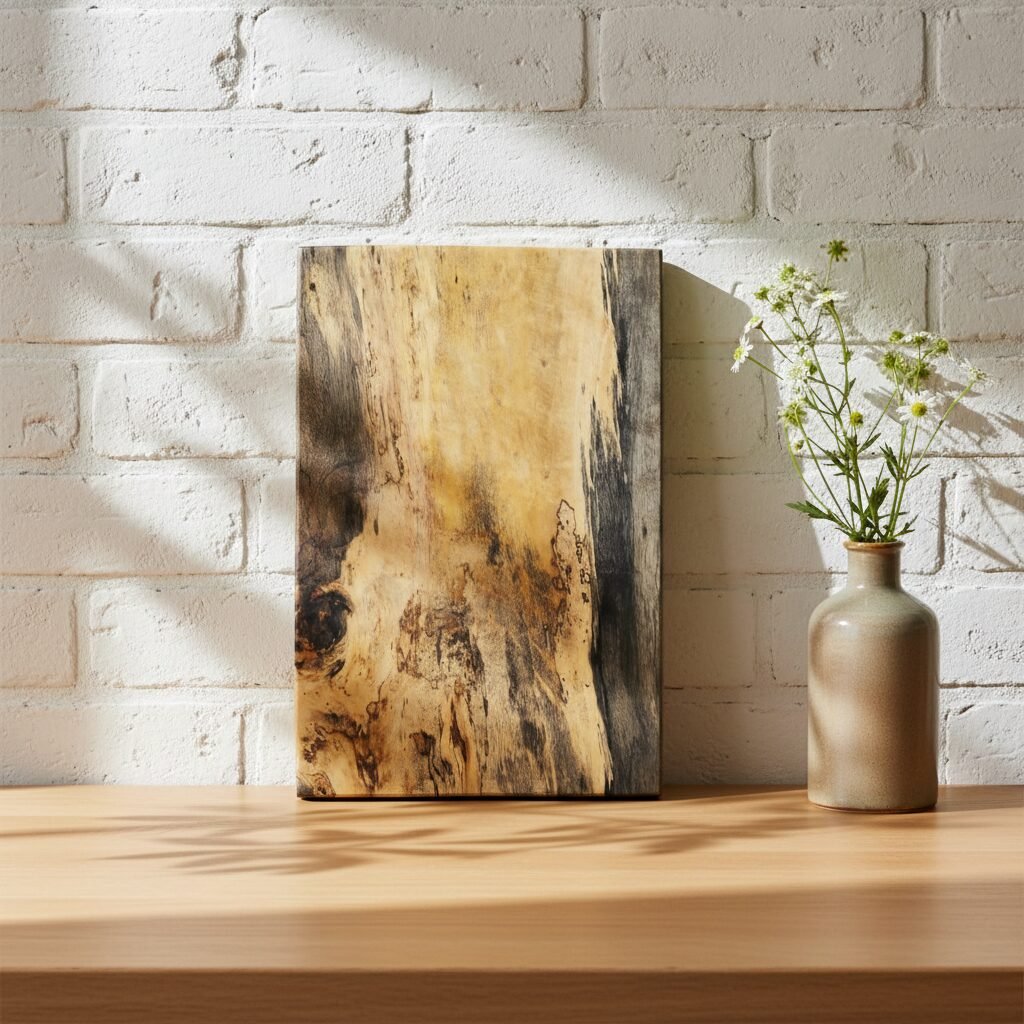
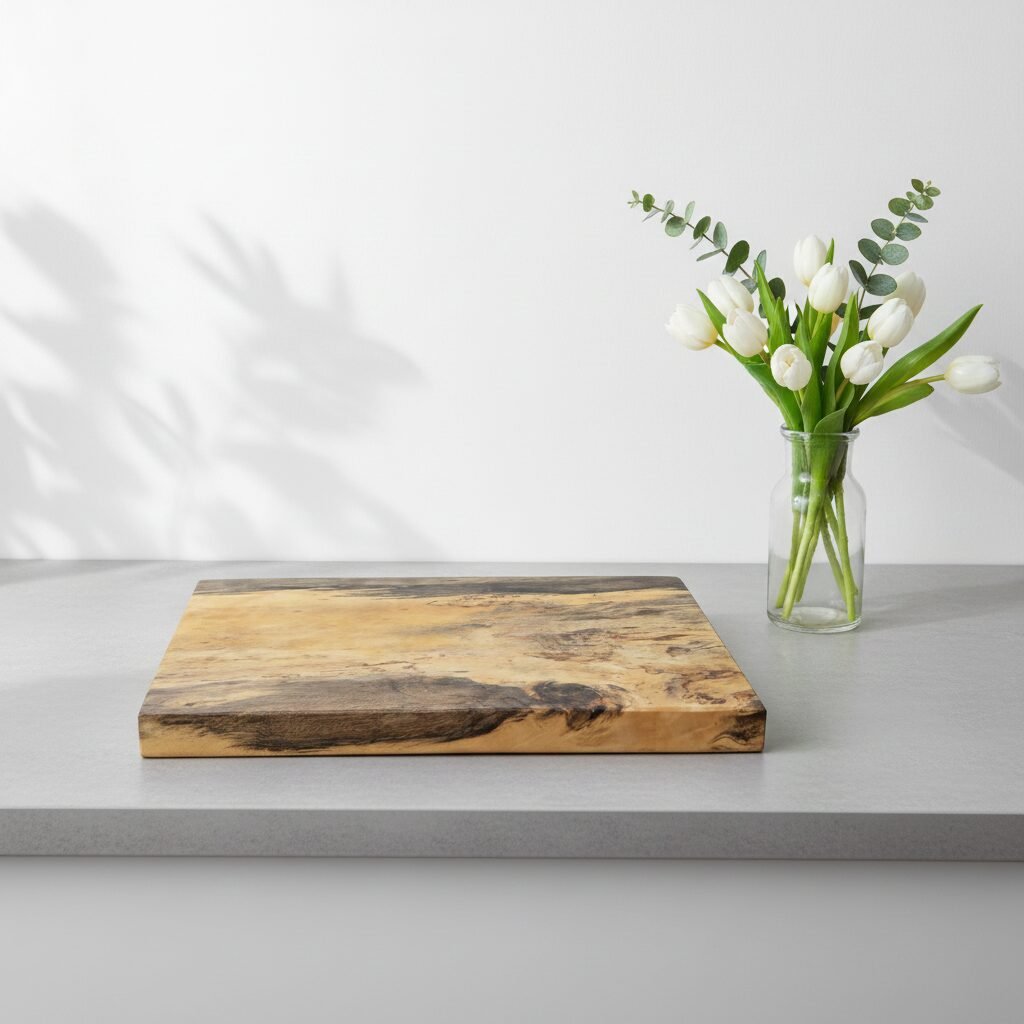
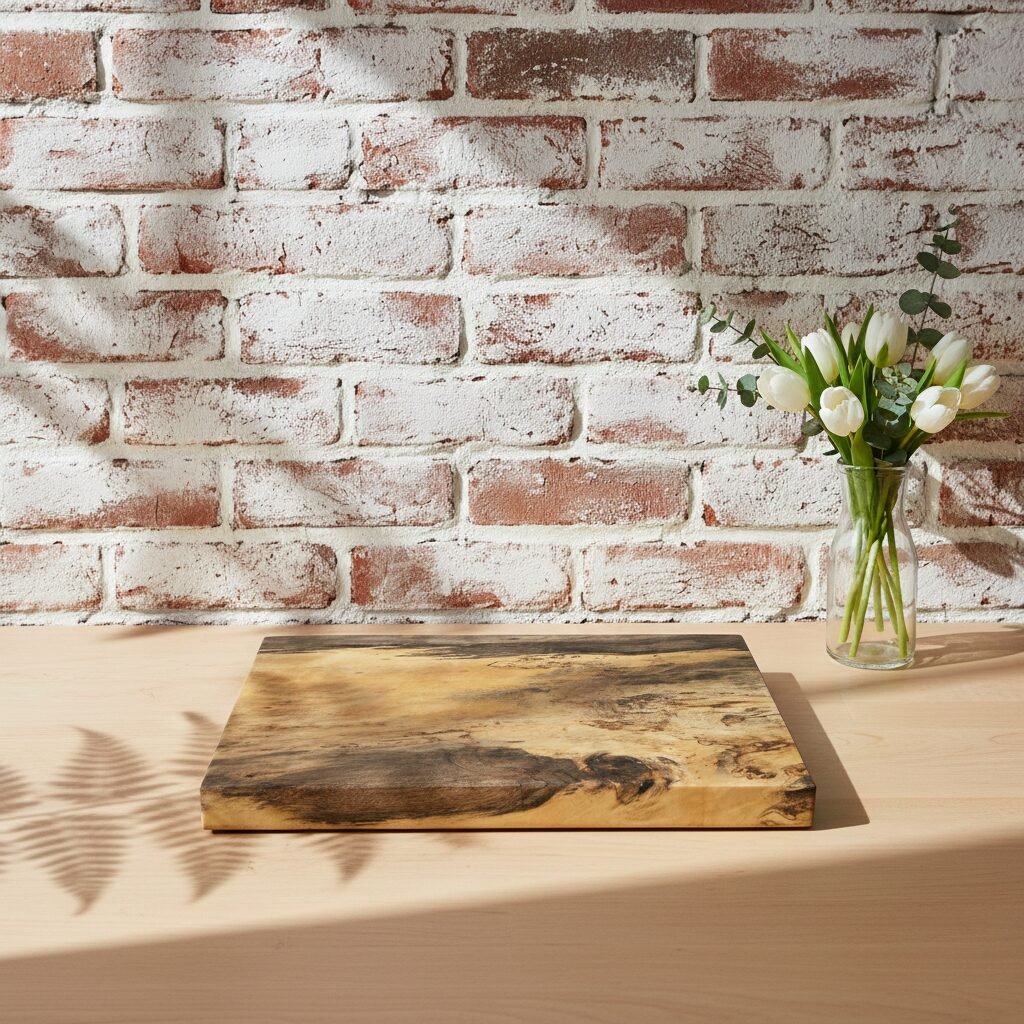
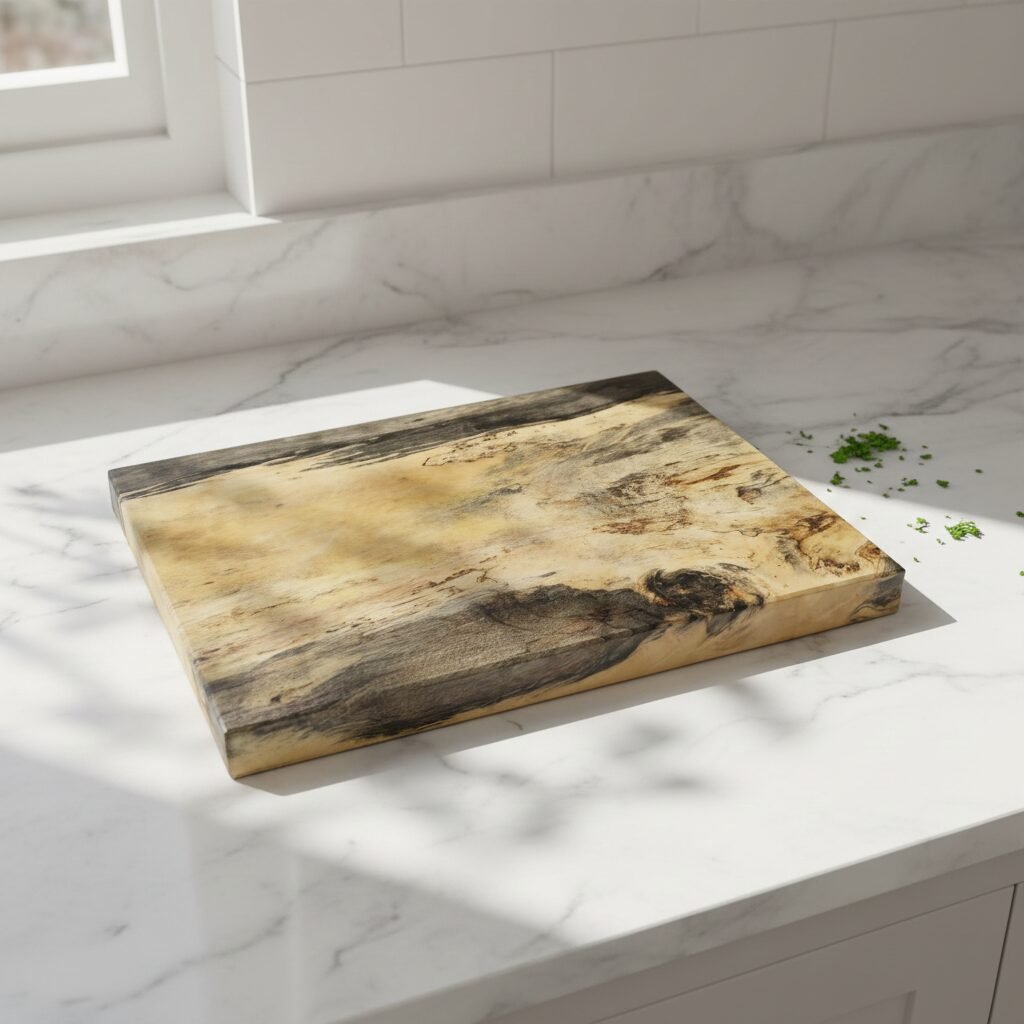
Spalted tamarind wood is the result of fungi colonisation in the wood during early decay, creating black lines, streaks, and zones before structural weakness sets in. The process affects the sapwood of the tamarind tree. Woodworkers usually harvest the wood and kiln-dry it to preserve these patterns and ensure usability.
The heartwood is usually ivory, yellow, or bold red and black hues. When spalting occurs, the black spalting lines in spider web-like patterns set in. The grains are wavy and interlocked, yielding a uniform texture with marbled zoned effects unique in each pattern. Tamarind, being dense, makes the heartwood challenging to machine with steel tools. Sapwood does make the wood softer, which may require resin stabilisation for strength. But with mature trees, the spalted areas are bonded well with the fibres of the tamarind wood, ensuring durability and toughness.
Spalted tamarind wood is rare and is often one of the most prized woods. The unique patterns in spalted tamarind wood make it one of the preferred materials for artisans to make chopping boards, bowls, pens, and handles. The patterns make the wood more beautiful, natural, and unique. Spalted tamarind wood is rare, making it a choice material for jewelry and sculptures.
Heavy duty, Spalted Tamarind wooden cutting boards
Wild , Dramatic and Untamed. The Tamarind wood chopping boards is a creation inspired by nature. It is nature on your kitchen counter top.
Price of Spalted Tamarind Wood vs the Regular Tamarind Wood
Spalted tamarind wood commands a significantly higher price than normal tamarind wood due to its rare fungal patterns and limited availability. Normal tamarind wood sells cheap and is bulk timber in India. Spalted tamarind wood is rare and fetches premium rates per board foot or piece globally. Prices vary by size, figure quality, and suppliers, but to get a ballpark, expect a foot of tamarind wood board to cost anywhere between 8000 Rs per cubic foot of a board, in comparison to 1000 Rs per cubic foot of tamarind wood, regular lumber.
The markup in some cases has been seen to be 50 times more than regular wood, and stabilised pieces usually cost a lot more.
Heartwood vs Sapwood in Tamarind Wood
Heartwood of tamarind wood is extremely rare. The heartwood is dark brown to black, which usually constitutes only 5% of a mature tree. A tree which is 100 inches in diameter will provide a heartwood of less than 8 inches in sapwood diameter, sometimes even less. The heartwood is usually extremely dense compared to the sapwood and is resistant to most natural decay, including pests. Tamarind Heartwood are also extremely rare, making it very expensive, often costing 3–4 times more than the sapwood itself. Though rare, heartwood of tamarind wood is less in demand, making it lesser priced than spalted tamarind wood. The use of heartwood is usually very niche and specialized, used in turning or inlays.
FAQ
What is spalted tamarind wood?
Spalted tamarind wood features striking patterns in dark shades with lines caused by fungal activity. These woods are rare and non-toxic. The natural process creates unique artistic patterns, and each piece of wood is unique. The patterns often run through aged wood and cannot be replicated artificially.
Why is spalted tamarind wood expensive?
Spalted tamarind wood occurs only rarely and is unique. Spalted tamarind wood is considered an exotic wood and is prized for its beauty. They are also only possible in mature wood, which is often more than 50–100 years old. This makes the wood itself rare, strong, and durable. Combined with the spalting, spalted tamarind wood is often considered a collectible item, making it more expensive.
Is spalted tamarind wood good for chopping boards?
Spalted tamarind wood is rare, and a spalted tamarind wood chopping board is a rarity in itself. The Amra Farms spalted tamarind wood chopping boards are extremely hard compared to regular tamarind wood, which is sapwood. Spalted wood is the result of aged tamarind wood, making it not only beautiful but also durable.
Is spalted wood toxic?
Professor of Plant Pathology, Tom Harrington, Iowa State University, states that spalting is not toxic. The white rot fungus, Hypoxylon deusta, is the cause of spalting in wood. It lives outside the tree and sends its tendrils, called hyphae, into the wood to break down the plant and gather nourishment. No, spalted wood is non-toxic.
Is spalted tamarind wood strong?
While extremely spalted tamarind wood could be a concern, moderately spalted wood that is well dried and has minimal moisture preserves the spalting while maintaining its structural strength. All tamarind wood chopping boards by Amra Farms are checked for durability, and we ensure that the wood is not soft.
Spalted Tamarind Wood Chopping Board – Wild, Beautiful and Unpredictable
Tamarind wood is naturally white with a yellow tint. It is beautiful, tough, and usually known for its marble-like grains, which are visible when you look carefully. Spalted tamarind wood, on the other hand, is captivating, with unique patterns and rich tones derived from the tamarind tree. The wood combines the natural beauty of controlled…
Why Tamarind Wood Cutting Boards For Meat is Preferred Compared to Teak Chopping Boards
Teak is a tough wood and it is beautiful too. Then why is tamarind wood chopping boards preferred choice in commercial butcher shops compared to teak? Ever wondered why teak is not used for cutting meat in a commercial butcher shop? There are multiple reasons why butchers prefer tamarind wood and not teak, even though…
Why is tamarind wood Preferred for cutting meat and vegetables in India?
Tamarind Wood Chopping Boards are becoming more and more popular in India and is making a big come back. There are a lot of wood available in India to make chopping boards from. Mango wood is widely available. India is the second largest producer of bamboo, so there are options to choose from bamboo chopping…
Chopping Boards for Traditional Indian Pickling – Avoiding Contamination with Tamarind & Teak Boards
Pickling is a tradition in urban India where most houses will pickle the seasonal vegetables or fruits for future use throughout the year. The practice is common in almost all Indian kitchens for centuries. From mango achar to lemon pickles, the process of pickling and the art is passed down from generations to generations. But…
Comparison of Different Types of Wooden Cutting Boards: Teak vs Mango vs Tamarind
In a kitchen, the chopping board is one accessory which is used daily. Most home cooks cannot do without a kitchen cutting board. With that said, the varieties of cutting boards are wide, making a decision a horrendous task. In wood, there are more than 10 varieties which are commonly used. In India, there are…
Shop Spalted Tamarind Wood Chopping Boards
Wild, Durable, Versatile, Tamarind wood cutting board with bold patterns
