
Pickling is a tradition in urban India where most houses will pickle the seasonal vegetables or fruits for future use throughout the year. The practice is common in almost all Indian kitchens for centuries. From mango achar to lemon pickles, the process of pickling and the art is passed down from generations to generations. But did you know that the type of chopping board plays a big role in pickling? The type of boards affects the flavour and shelf life of your pickle. What could be stored for years could be wasted in weeks or months. The use of the wrong board could lead to contamination, moisture retention and spoilage. This is one of the main reasons why South Indian households prefer tamarind wood chopping boards and teak wood cutting boards for pickling to maintain hygiene and flavour.
Why choosing the right chopping board matters for traditional Indian pickling
Pickles are meant to be stored for a longer period of time. Any contamination will reduce the life of the pickle and even lead to spoilage. Proper preparation from the beginning is important for good pickling. When making pickles ingredients like raw mango, lime, chillies and spices come in contact with the board. Plastic boards or boards which have even small traces of bacterial growth will affect the fermentation process resulting in spoilt pickles. Wooden boards especially made from single block teak or tamarind wood are naturally antibacterial and do not allow moisture retention. These boards also provide a sturdy surface for chopping hard ingredients like raw mango easily.
Benefits of Tamarind Wood Chopping Boards in Pickle Preparation
Shop Wooden Chopping boards
Medium Premium Single Block Tamarind Wood Chopping Board 10×16×1.5 Inch – PuliMutti Collection
Original price was: ₹2,199.00.₹1,699.00Current price is: ₹1,699.00.Large Single Block Tamarind Wood Chopping Board 12×18×1.5 Inch – Butcher Block
Original price was: ₹3,099.00.₹2,389.00Current price is: ₹2,389.00.Single Block Tamarind Wood Cutting Board 14×8×1.5 Inch – Butcher Block
Original price was: ₹1,299.00.₹989.00Current price is: ₹989.00.Medium Spalted Tamarind Wood Meat Cutting Board 10×16×1 Inch – Wooden Chopping Board
Original price was: ₹1,599.00.₹1,199.00Current price is: ₹1,199.00.Large Spalted Tamarind Wood Cutting Board 11×18×1 Inch – Wooden Chopping Board
Original price was: ₹1,999.00.₹1,499.00Current price is: ₹1,499.00.Single Block Tamarind Wood Butcher Block 16×10×1.5 Inch – Wooden Cutting Board
Original price was: ₹2,199.00.₹1,699.00Current price is: ₹1,699.00.
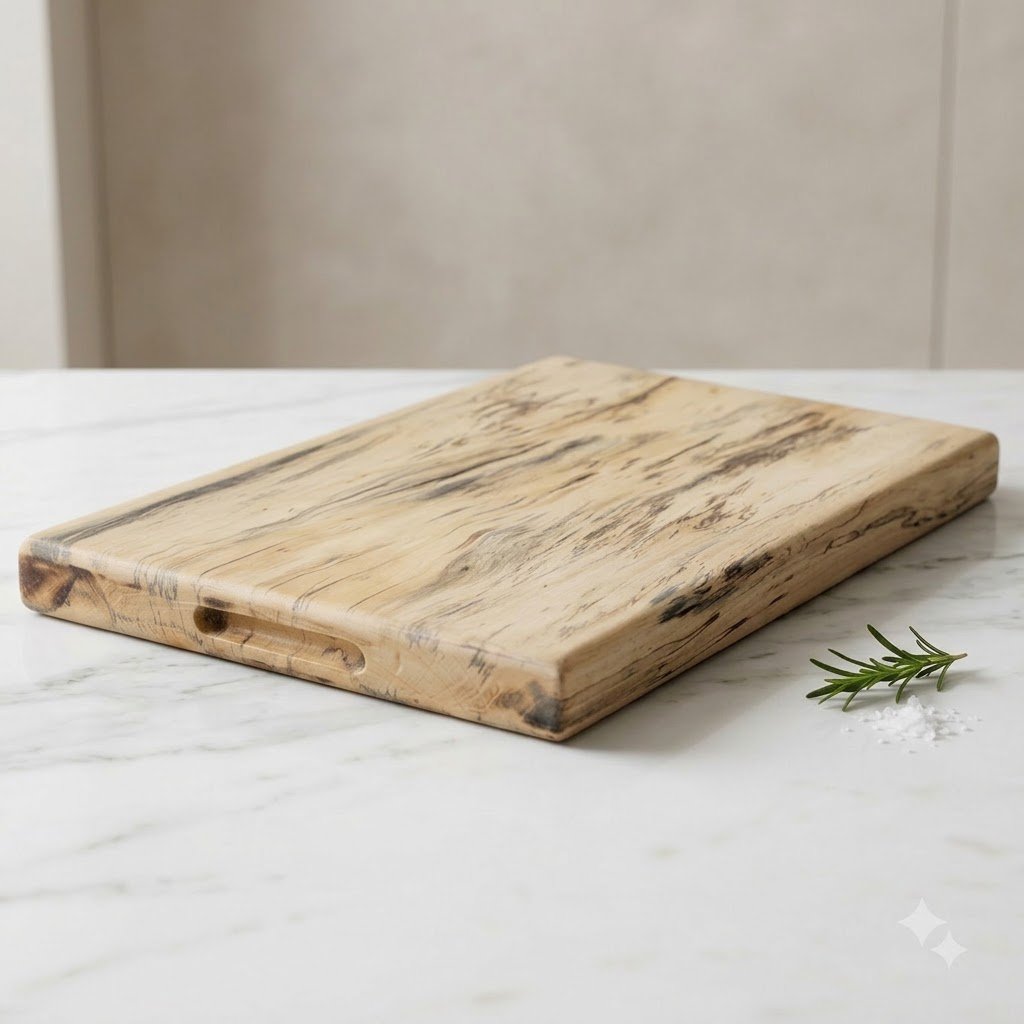
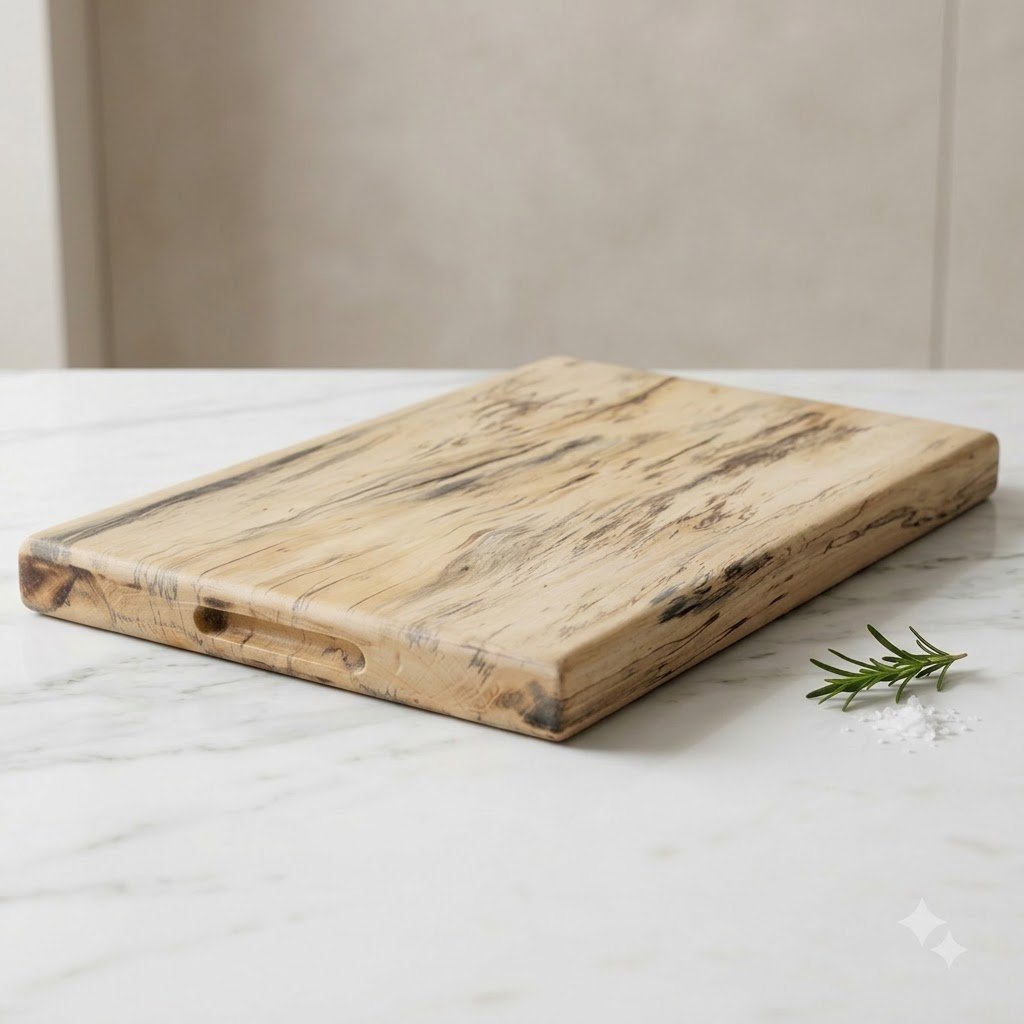
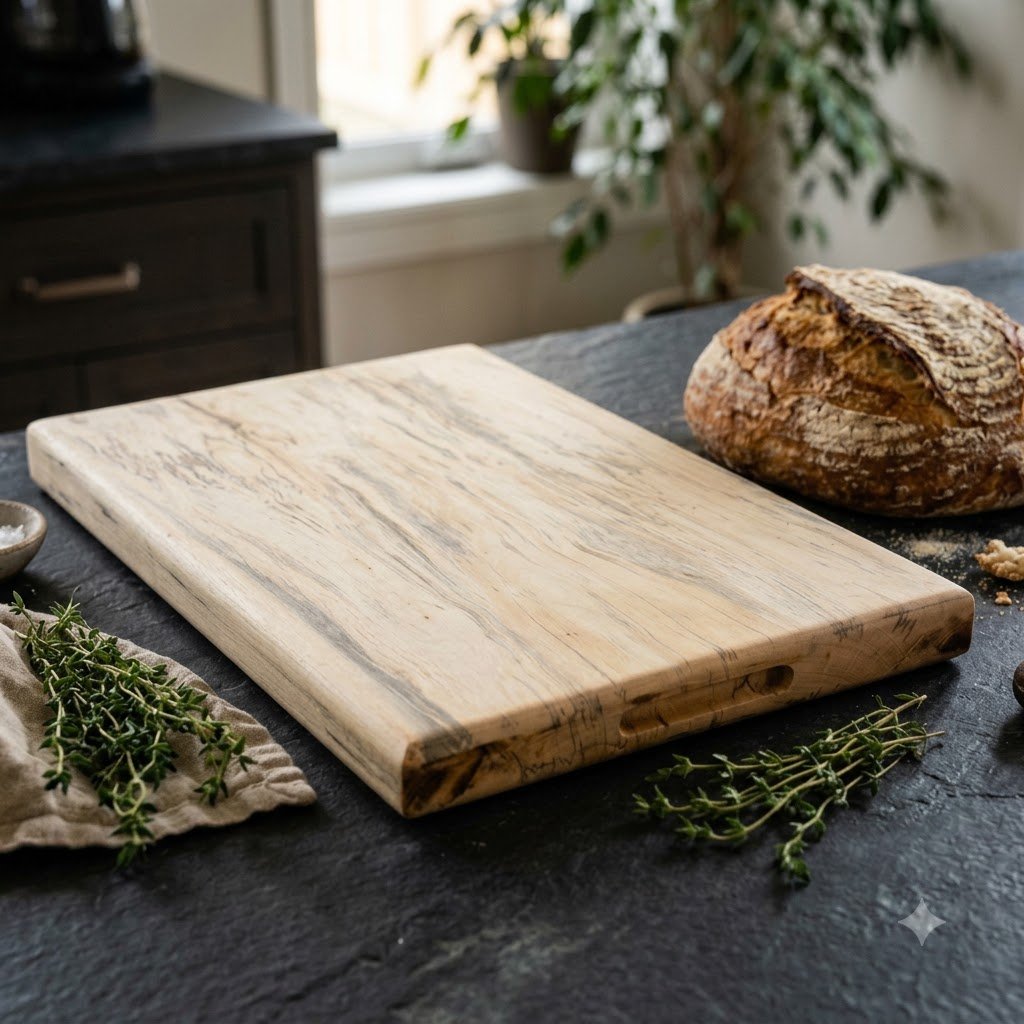
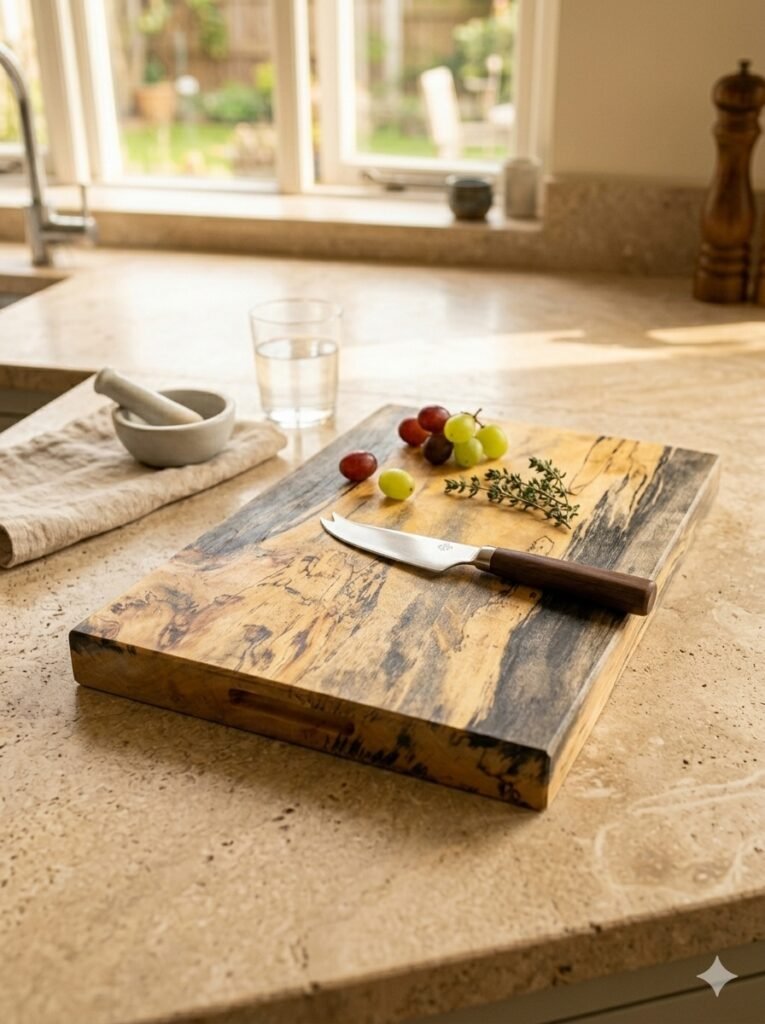
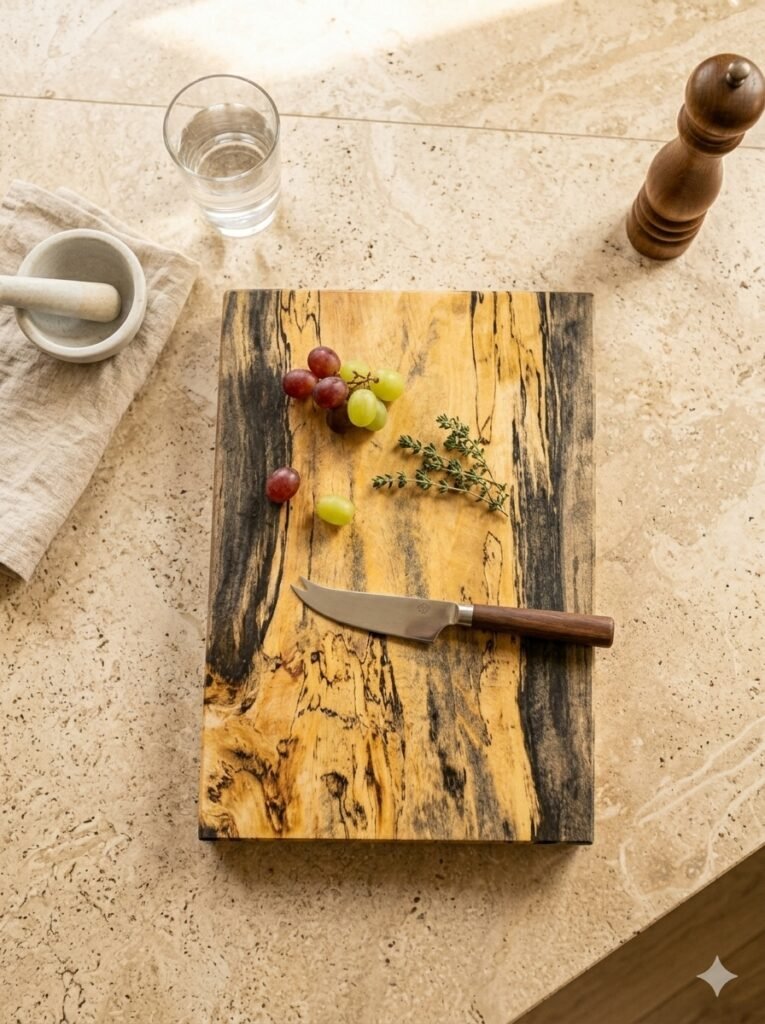
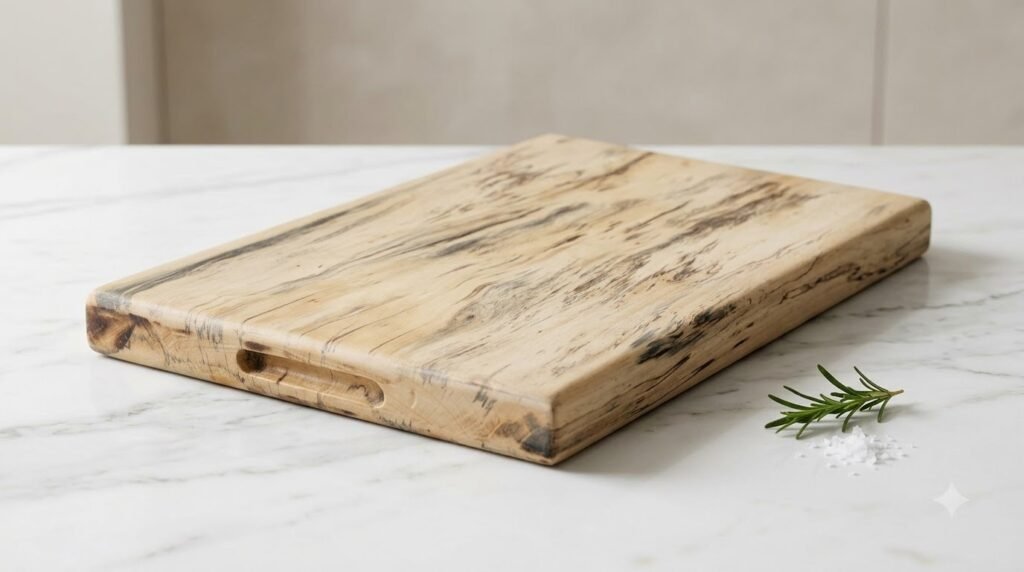
Tamarind wood chopping boards are highly regarded for Indian pickling because of its unique properties. They are not just a functional tool but also add properties that are beneficial for the pickling process.
Dense grain structure prevents contamination: The dense grain structure in tamarind wood ensures the fibres are tight, preventing water absorption. This reduces moisture in the wood and enhances the water-resistant properties of tamarind wood. The dense structure of the grains also contributes to its natural beauty of the wood.
Anti-fungal and antibacterial qualities: Tamarind wood is known for its rich antibacterial qualities in the wood. The tamarind wood is rich in phytochemicals including flavonoids and polyphenols which are antibacterial. The wood contains phenolic acids, tannins and alkaloids, compounds that contribute to the wood’s natural resistance. The enhanced protection iron oxide nanoparticles are antibacterial and antimicrobial agents which can be incorporated into the wood or used as coatings.
Durability with acidic ingredients: Tamarind wood is tough and does not corrode when exposed to lemon juice or vinegar used in pickling. The ability to maintain its PH level and not change the food’s properties contribute to the taste maintained in the food cut on the tamarind wooden board, giving the original taste for the pickle as intended.
Sustainability and eco-friendly: Locally sourced hardwood makes for a better alternative to plastic boards or imported wooden chopping boards. Tamarind wood in India is locally sourced and widely too. They are a sustainable wood and the tree is abundant in southern part of India.
Why Teak Wood Cutting Boards Are a Favourite in Indian Kitchens for Pickling
Shop Wooden Chopping boards
Single Block Chopping Board 14×7×.75 Inch – Rectangular Teak Wood Edge Grain Cutting Board
Original price was: ₹1,199.00.₹889.00Current price is: ₹889.00.Small Premium Single Block Teak Wood Bar Chopping Board 14×8 x1 inch – Wooden Cutting Board
Original price was: ₹1,999.00.₹1,484.01Current price is: ₹1,484.01.XL Extra Large Single Block Teak Wood Meat Cutting Board 12×18×1 Inch – Wooden Chopping Board
Original price was: ₹4,299.00.₹3,289.00Current price is: ₹3,289.00.Small Single Block Teak Wood Chopping Board 14×6×.75 Inch – Edge Grain Chopping Board
Original price was: ₹1,099.00.₹789.00Current price is: ₹789.00.Teak Wood Chopping board | Single Block Teak Wood 10×16×1 Inch – Rectangular Edge Grain Cutting Board
Original price was: ₹3,799.00.₹2,609.10Current price is: ₹2,609.10.Large Single Block Teak Wood Chopping Board 15×9×1 Inch – Rectangular Edge Grain Cutting Board
Original price was: ₹2,999.00.₹2,289.00Current price is: ₹2,289.00.
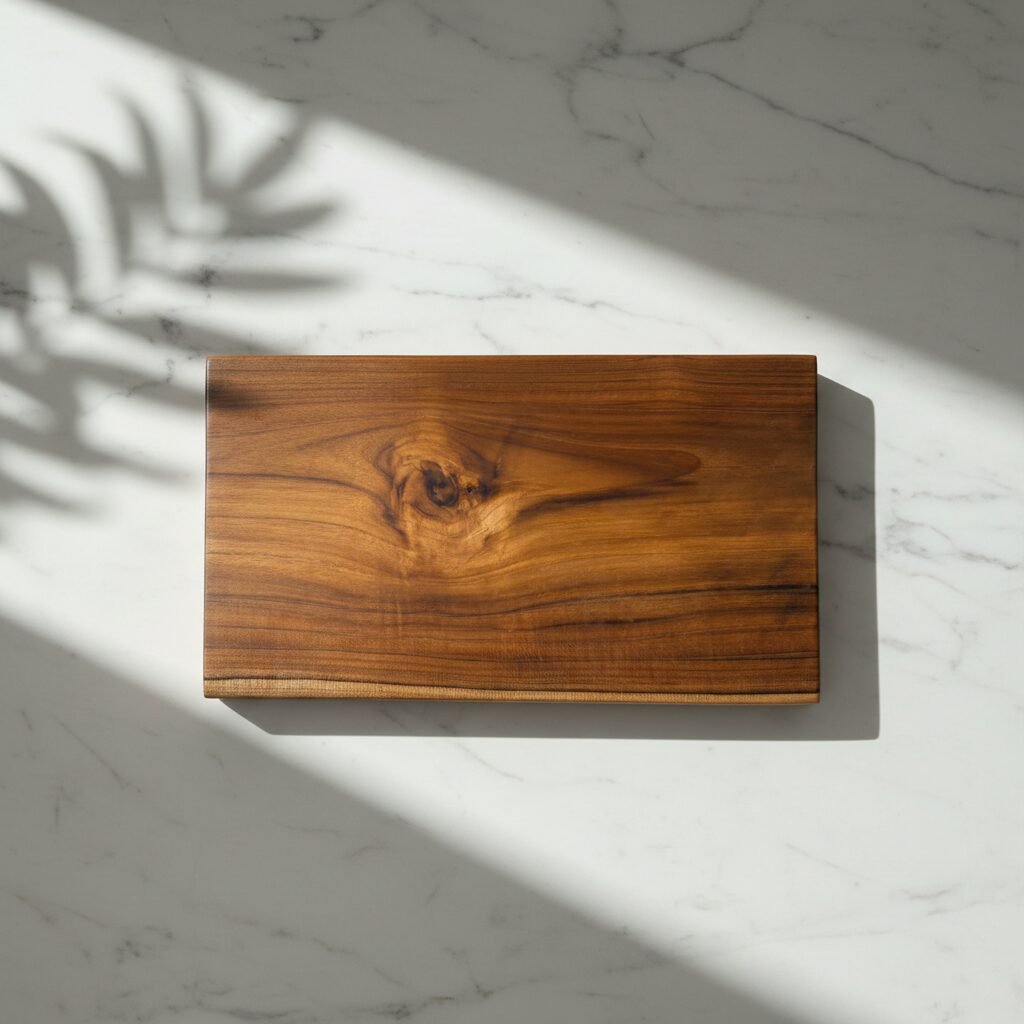
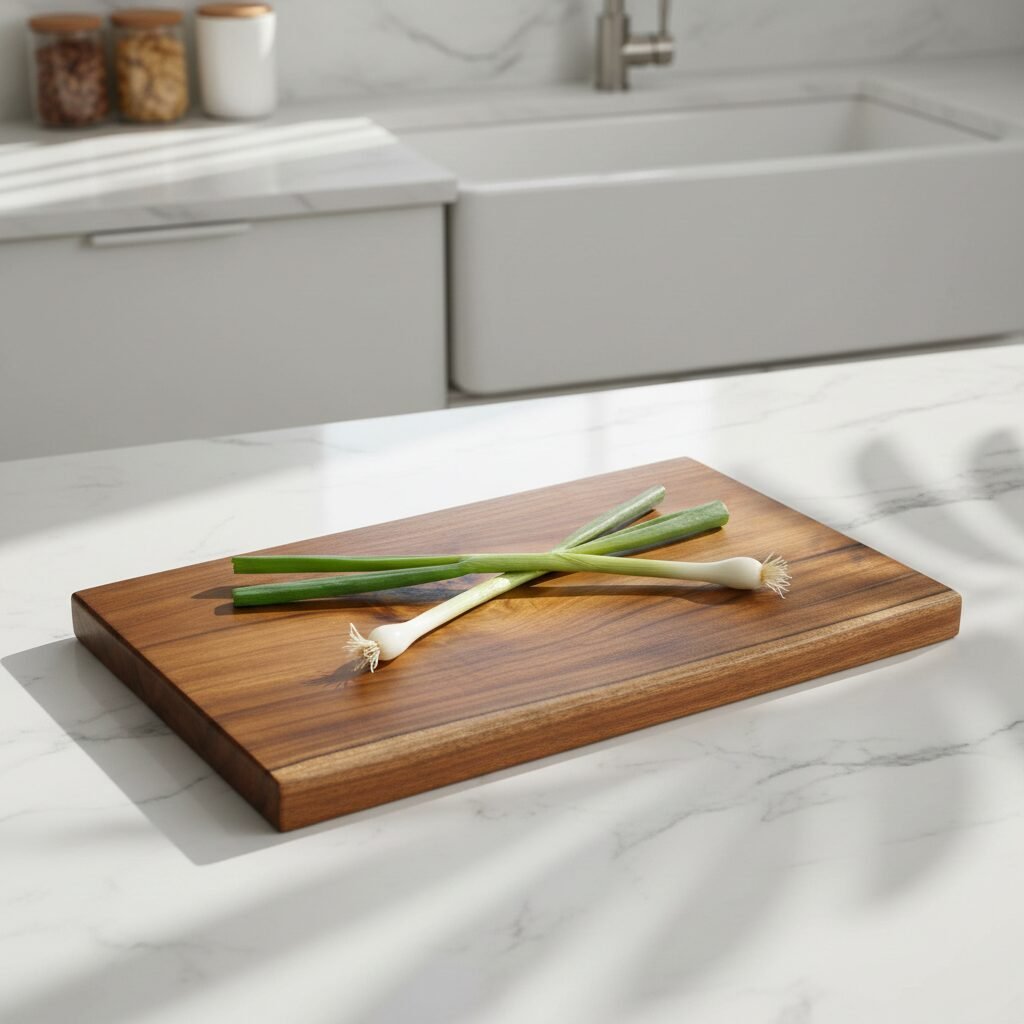
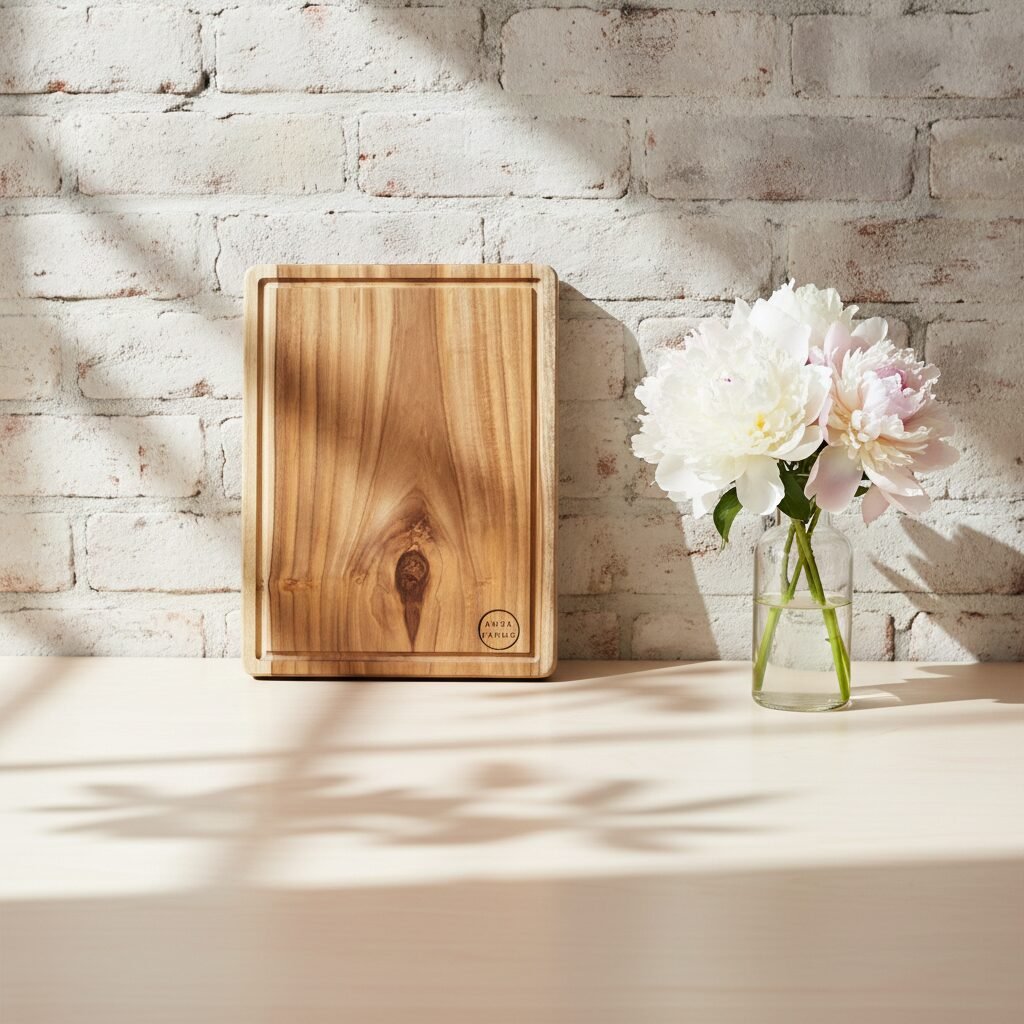
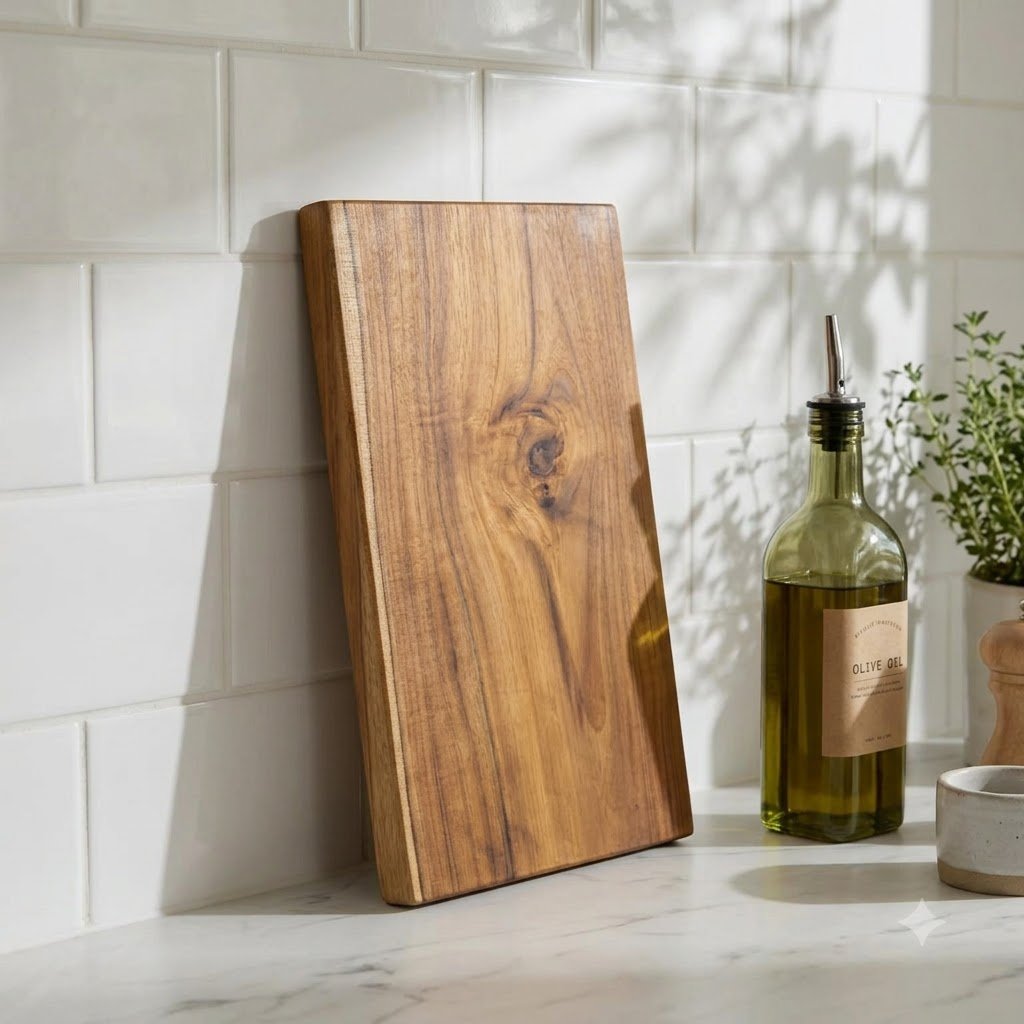
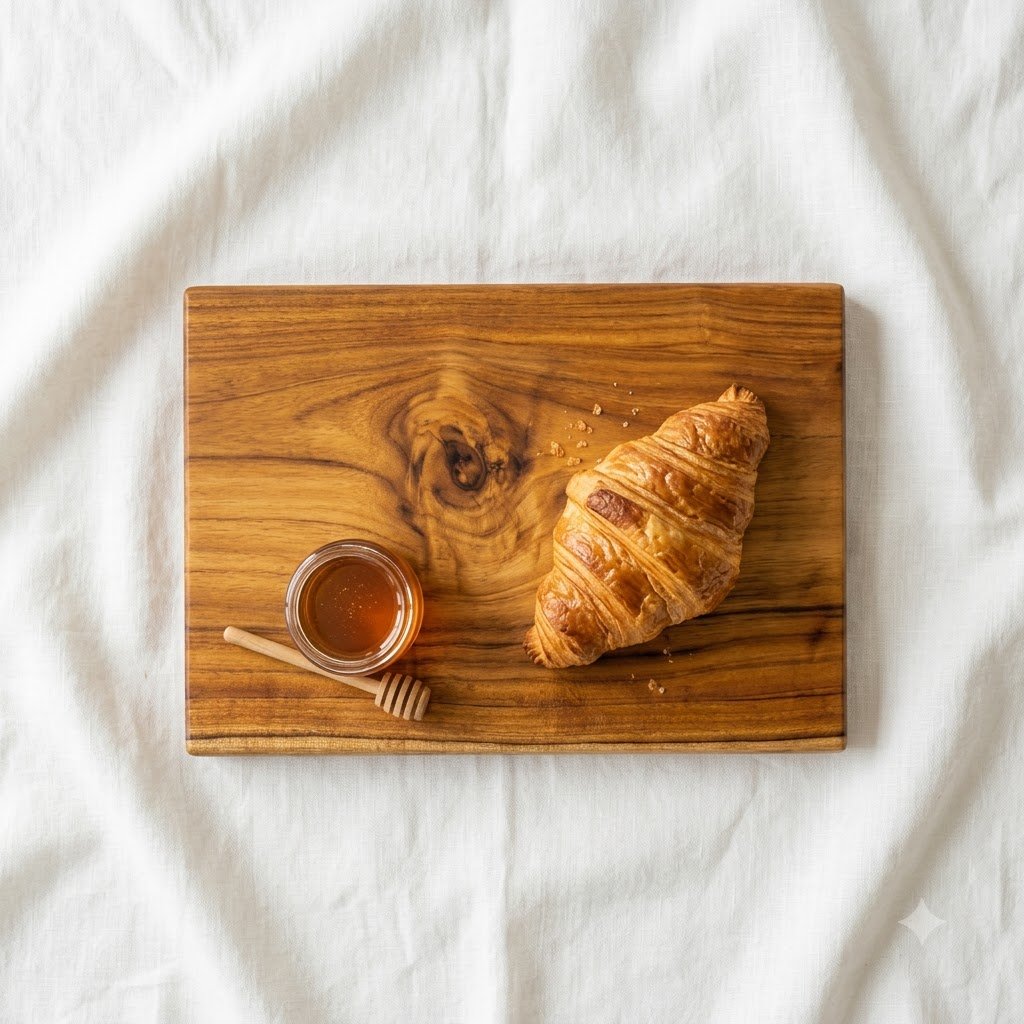
Teak wood is an expensive wood but perfect for a chopping board and an excellent option for Indian pickling. A Teak wood chopping board has all the best properties for a chopping board including its antibacterial features, high natural oil content and the beautiful looks to go with it.
Natural oil protects against moisture absorption: Teak wood is known for its high natural oil content. Considered as one of the most oil-rich wood, teak resists water effectively preventing moisture buildup in the wood. This is an important feature which ensures your pickles are protected from unwanted moisture and bacterial contamination. With minimal moisture absorption and the natural tannins in the teak wood, the bacterial growth is nearly zero even when used with meat. For pickling, the teak wood ensures the wood protects the food cut.
Scratch-resistant surface: Teak wood is scratch-resistant. Unlike plastic boards which tend to develop knife scars and scratches, teak wood is self-healing and even with repeated chopping of hard mangoes or garlic, teak wood remains smooth preventing food particle accumulation and growth of bacteria in the wood.
Odour-resistant quality: Teak wood is resistant to odour absorption. This ensures your pickle smells right and does not carry forward food which was cut earlier to carry their scent to the pickle.
Long-term investment: Wood like mango or plastic boards are short-term investments. They work well but for a short period of time. A teak wood board is an investment in itself. It will last decades with proper maintenance. A single block Raised teak wood cutting board can last years with proper care, regular oiling and a resurfacing and reconditioning once a year.
How to Avoid Contamination When Using Chopping Boards for Pickling
Use a clean cutting board: Ensure your board is perfectly dry, does not have scratches and knife scars on the surface. A wooden chopping board, preferably of teak wood or tamarind wood is your best option. You don’t need a separate chopping board exclusively for pickling but it would be a good investment if you are pickling regularly. This prevents cross-contamination with cooked food.
Clean immediately after use. Rinse the board with warm water and mild soap. Dry with a towel and air dry thoroughly to prevent bacterial growth.
Sanitize your board with salt and lemon: A day prior to pickling or cutting your vegetables or meat for pickling, sanitize your board thoroughly with salt and lemon scrubs. This ensures all stuck food particles are removed and the board does not have stuck food which can contaminate your pickle.
Oil your board. Oil your board once dry. The oil not only makes your board clean and shiny adding lustre but also adds antibacterial features. Bacteria hate oil and they usually die when in contact with them. Use coconut oil as it has high antibacterial properties.
Tamarind wood vs Teak wood chopping boards for traditional pickling
Both tamarind wood and teak wood chopping boards are exceptional choices and have equally good qualities for pickling and cutting vegetables in your kitchen.
Tamarind wood: Tamarind wood is denser, heavier and highly resistant to absorbing liquids. They make a perfect heavy-duty cutting board for acidic ingredients . Tamarind wood is also the preferred wood for cutting meat in india
Teak wood: A Teak wood chopping board is high in oil content, lighter and easier to maintain. They are also beautiful and add to the personality of your kitchen. Perfect for pickling with their high oil content and antibacterial properties, a single wood chopping board constructed from teak wood is equally comparable to a tamarind alternative. Teak wood is considered the safest wood for chopping boards while tamarind wood is dense and perfect for meat preparations and preparing acidic foods.
