Neem as a tree is known for its abundant use in Ayurveda. The health benefits of Neem are not new in India. Traditionally used to counter various diseases from annual flu to diabetes, neem is known as a wonder plant. The use of neem wood is considered therapeutic since ages. Neem oil is used in agriculture and to treat fungal disease in plants and humans. Neem comb is known to have benefits including repelling lice. Neem wood is used in furniture and yes, chopping boards too. Neem is used in various kitchen accessories including platters, ladles and soup bowls for its antibacterial property.
This article is just a sneak peek on the benefits of Neem wood and why you should consider a Neem wood cutting board.
Buy neem wood chopping boards
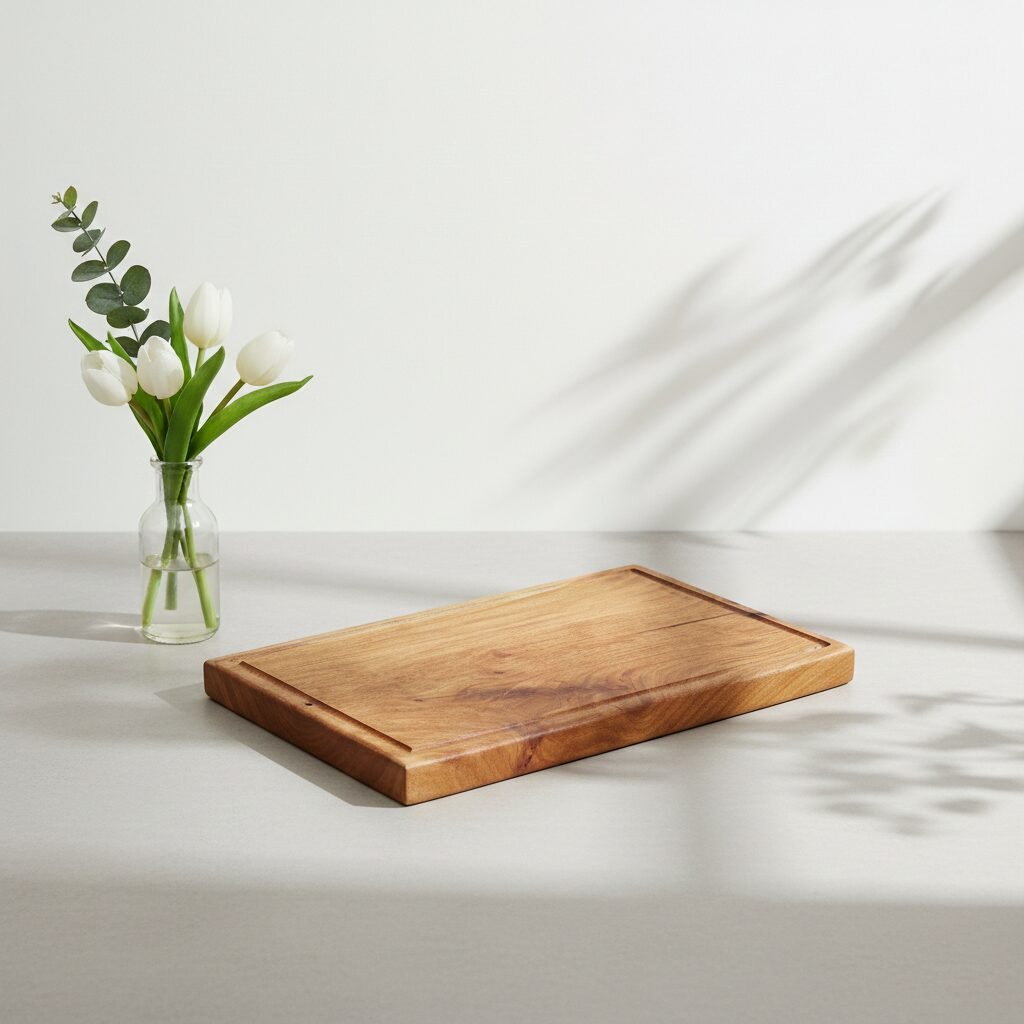
Neem Wood Chopping Board with Juice Groove 10×16×1 Inch – Wooden Cutting Board
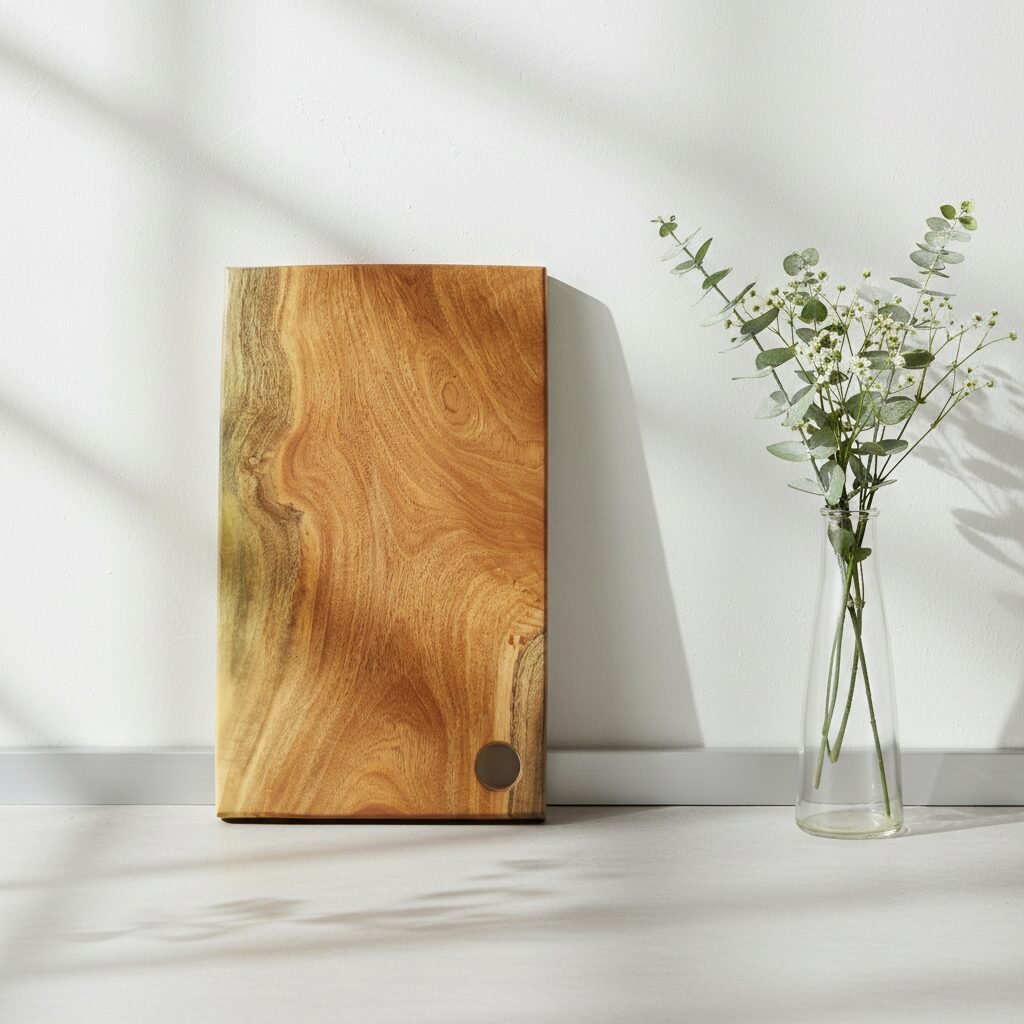
Original price was: ₹1,999.00.₹1,499.00Current price is: ₹1,499.00.Single Block Neem Wood Chopping Board with Hanging Hole 16x10x1 inch– Wooden Cutting Board
Original price was: ₹1,999.00.₹1,499.00Current price is: ₹1,499.00.
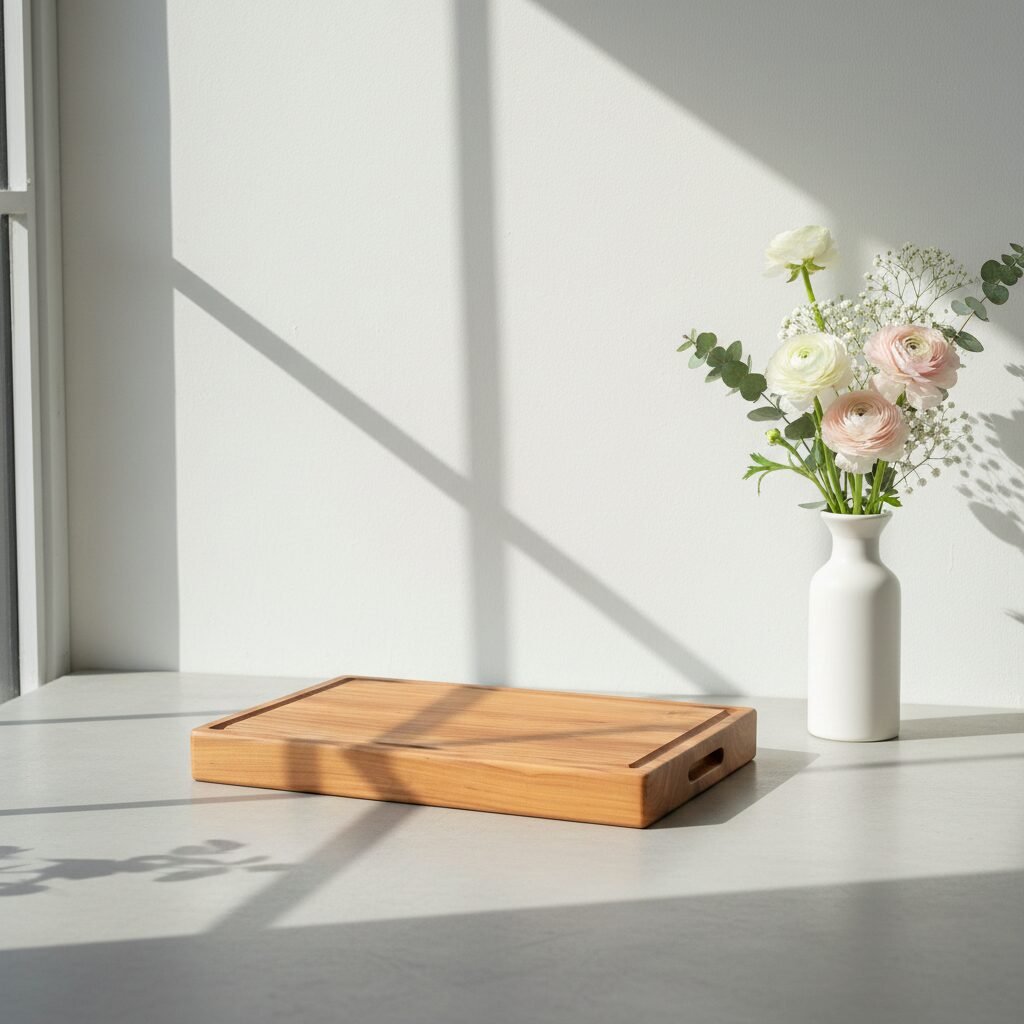
2 Inch Thick Extra Large Neem Wood Chopping Board 15×22×2 Inches – Wooden Cutting Board
₹3,495.00
What is Neem Wood?
Neem (Azadirachta indica) is referred to as the village pharmacy and originates from the Indian subcontinent. The tree is resilient, evergreen and thrives in hot arid climates. The tree is known to have a life of 100s of years and belongs to the mahogany family. It is a hardy wood with an abundance of medicinal and environmental benefits.
Neem grows quickly and reaches the height of 15-20 metres. The small flowers and olive-like fruit bring in plenty of bees and birds. But neem is popular for its wood. They are dense, durable and rich in natural oils. They also have a deep brown colour, which makes it great for furniture.
Neem is deeply intertwined with Indian culture and wellness. So when you purchase a neem wood cutting board, it’s an Indian heritage you bring into your kitchen, designed for wellness and functionality.
Benefits of a Neem Chopping Board
Antibacterial: Neem wood is naturally antibacterial and contains compounds like Nibin and Azadirachtin which prevent bacteria naturally. This is particularly beneficial to prevent cross-contamination in cutting boards. when cutting meat, Neem wood is particularly beneficial for killing bacterial like salmonella.
Antifungal: The high oil content in neem prevents fungal growth and your cutting boards will not be a breeding ground for mold even in humid conditions.
Pest resistant: Termites hate neem, so do almost all insects including ants. The strong scent of neem is repelling for insects without any chemical treatment.
Gentle on knives: Neem is firm yet soft on the knives. Being knife-friendly, neem is perfect for cutting boards. It is scratch-proof, durable and strong but definitely soft on the knives.
Eco-friendly and sustainable: Neem and all wooden products are eco-friendly compared to plastic, bamboo and glass.
Durable and long-lasting: Neem wood cutting boards are known to last an easy 8 years with proper care. They are durable and quite resistant to warping and cracking if cared for.
Neem Wood vs Other Types of Chopping Boards
Neem wood is known for its antibacterial features. Compared to almost all other boards, neem has an upper hand when it comes to fighting bacteria and reducing cross-contamination. a word of caution when purchasing a neem wood chopping board is to opt for a thick board. Thnner neem wood boards are prone to cracks and warping.
Plastic vs Neem cutting boards
Plastic is one of the most common materials used for cutting boards. They are affordable but not durable. They last 6 months without scratch. With regular use, they develop deep knife marks which are a bacteria’s playground. Neem on the other hand is self-healing and antibacterial naturally, making it one of the safest and hygienic choice.
Bamboo vs Neem cutting boards
Bamboo is a sustainable option for cutting boards and has become very popular recently. Definitely better than plastic, bamboo is durable and tough. Bamboo boards are slightly more maintenance-intensive compared to neem. When it comes to antibacterial properties, bamboo is not naturally antibacterial. They are not resistant to mould and fungal growth with the right care. Bamboo is a good option, but compared to neem, they fall slightly short. In terms of price, bamboo definitely has an upper hand.
Teak vs Neem
Teak and neem both are hardwood but teak is more durable, more water-resistant and tough. When it comes to antibacterial properties, teak and neem perform equally well, especially with the high oil content in teak. In terms of price though, teak is very expensive. Neem is moderately priced. In terms of aesthetics, teak wood chopping boards outperforms neem and often outlasts neem too in terms of longevity. Teak and Neem are both antibacterial, mold resistant and safe.
Neem is an affordable hardwood option with all the benefits you require in a cutting board. They are aesthetically pleasing and antibacterial. Neem perform better than plastic, bamboo and most other common hardwood including mango. They require a bit of maintenance and regular care but overall, they fall under the top 3 woods for cutting boards for its food safety features, durability and aesthetics.
Also compare teak wood, Tamarind and mango wood side by side to know the benefits of each wood before you make a purchase decision.
How to Care for Your Neem Chopping Board
Cleaning a Neem wood cutting board is the same as any other wooden cutting board and does not require anything different. Rinse your board clean immediately after use. Wash only with mild soap with warm or cold water. Do not use hot water. Pat dry with a clean towel and let it air dry in an upright position.
Do not soak your neem board in water, dry it in direct sunlight or put it in a dishwasher. Neem wood is not dishwasher safe. Use of harsh chemicals or bleach is to be avoided as it removes the natural oil from the cutting board.
Oil your cutting board once a week. Use mineral oil or coconut oil to the board once a week and leave it overnight. Wipe off excess in the morning.
A chopping board is only as safe as you care for it. Even the safest cutting board material is not safe when not cared for.
Related Topics
Is Teak Wood Safe for Food Use – Facts and Myths on Teak Wood Utensils
When sourced properly and maintained, teak wood is a food-safe material for specific kitchenware. With its high natural oil content, teak wood provides antimicrobial properties and inhibits bacterial growth. This makes teak wood a hygienic choice over plastic. It is scientifically proven to be food-safe and, traditionally used since ages, teak wood is one of…
Reasons Why Wooden Chopping Boards Are Better Than Plastic
Plastic has been the preferred choice for chopping vegetables and meat in the past decade. Many users have had complaints about plastic chopping boards, yet they go back to plastic boards time and again. Understanding why wooden cutting boards are better than plastic chopping boards and where they excel will give you a clear perspective…
Essential Facts You Must Know Before Buying a Teak Wood Chopping Board
A teak wood chopping board will last decades. But it’s not about durability alone. Teak wood chopping boards are an investment and just like any other investment, you need to take care of your cutting board too. Regular maintenance, oiling and addressing issues related to the board’s wear and tear should be taken care of…
Best Uses of Teak Wood: Common and Unique Applications That Make It the King of Hardwoods
Teak wood is considered a valuable and versatile hardwood, prized for its durability and natural oil and water resistance apart from its beautiful grain patterns. Teak wood is considered a versatile wood which is used both in indoor and outdoor applications where strength, longevity and appearance matter. Apart from furniture, Teak wood has some of…
What to look for when purchasing a teak wood cutting board and how to identify teak wood
Most people are not experts in wood. They believe the wood they purchase is genuine, but this may not be the case. Even with genuine teak, the origin of the wood is important. Apart from the origin, the quality or the grade plays a major role in the life of a teak wood cutting board.…
Why Tamarind Wood Cutting Boards For Meat is Preferred Compared to Teak Chopping Boards
Teak is a tough wood and it is beautiful too. Then why is tamarind wood chopping boards preferred choice in commercial butcher shops compared to teak? Ever wondered why teak is not used for cutting meat in a commercial butcher shop? There are multiple reasons why butchers prefer tamarind wood and not teak, even though…
