A high-quality knife is an investment, but its longevity depends on proper care, and your cutting board plays a major role in it. Hard surfaces like plastic, bamboo, glass, and steel are too rigid for sensitive knives and can cause premature dulling of knife edges. On the other hand, a soft surface like softwood would be bad for the board itself and food safety.
Wooden boards, specifically hardwood boards, can absorb impact with minimal wear and tear, helping you retain your knife’s sharpness for longer. A dull knife is inconvenient and requires you to apply more pressure while cutting, increasing the risk of accidents. A sharp knife allows for faster chopping and more efficient results.
Products by Category
Single Block Chopping Board 14×7×.75 Inch – Rectangular Teak Wood Edge Grain Cutting Board
Original price was: ₹1,199.00.₹889.00Current price is: ₹889.00.Small Premium Single Block Teak Wood Bar Chopping Board 14×8 x1 inch – Wooden Cutting Board
Original price was: ₹1,999.00.₹1,484.01Current price is: ₹1,484.01.Neem Wood Chopping Board with Juice Groove – Wooden Cutting Board
Price range: ₹1,499.00 through ₹1,799.00Medium Premium Single Block Tamarind Wood Chopping Board 10×16×1.5 Inch – PuliMutti Collection
Original price was: ₹2,199.00.₹1,699.00Current price is: ₹1,699.00.XL Extra Large Single Block Teak Wood Meat Cutting Board 12×18×1 Inch – Wooden Chopping Board
Original price was: ₹4,299.00.₹3,289.00Current price is: ₹3,289.00.Small Single Block Teak Wood Chopping Board 14×6×.75 Inch – Edge Grain Chopping Board
Original price was: ₹1,099.00.₹789.00Current price is: ₹789.00.
Advantages of High-Quality Wooden Cutting Boards Over Plastic and Glass
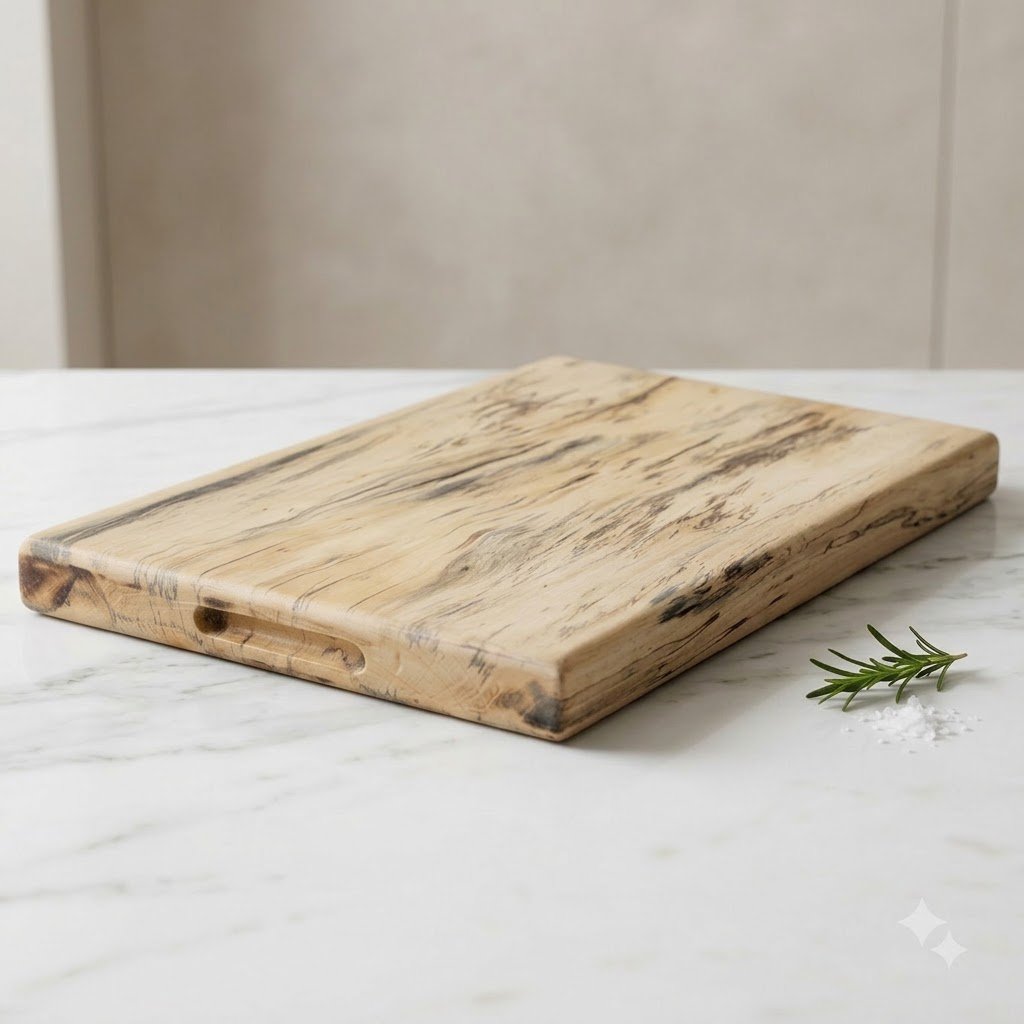
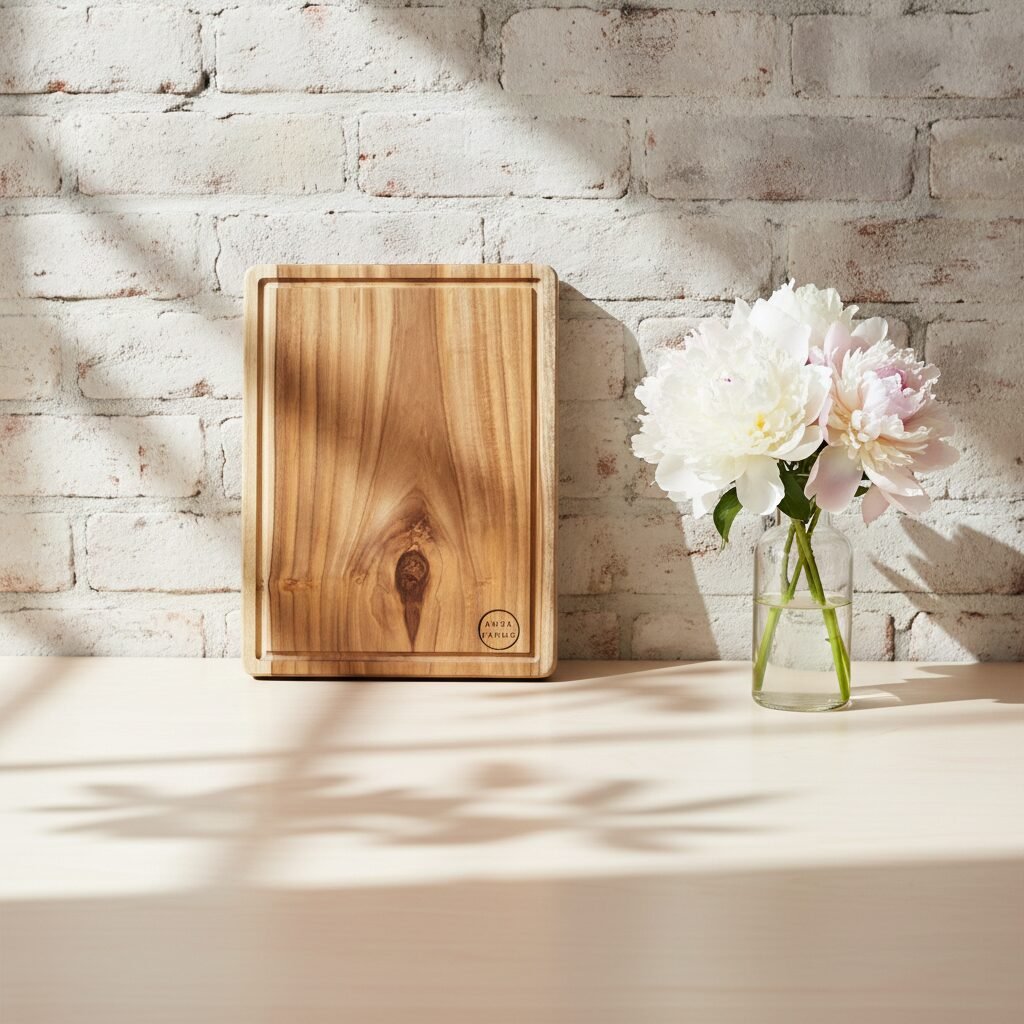
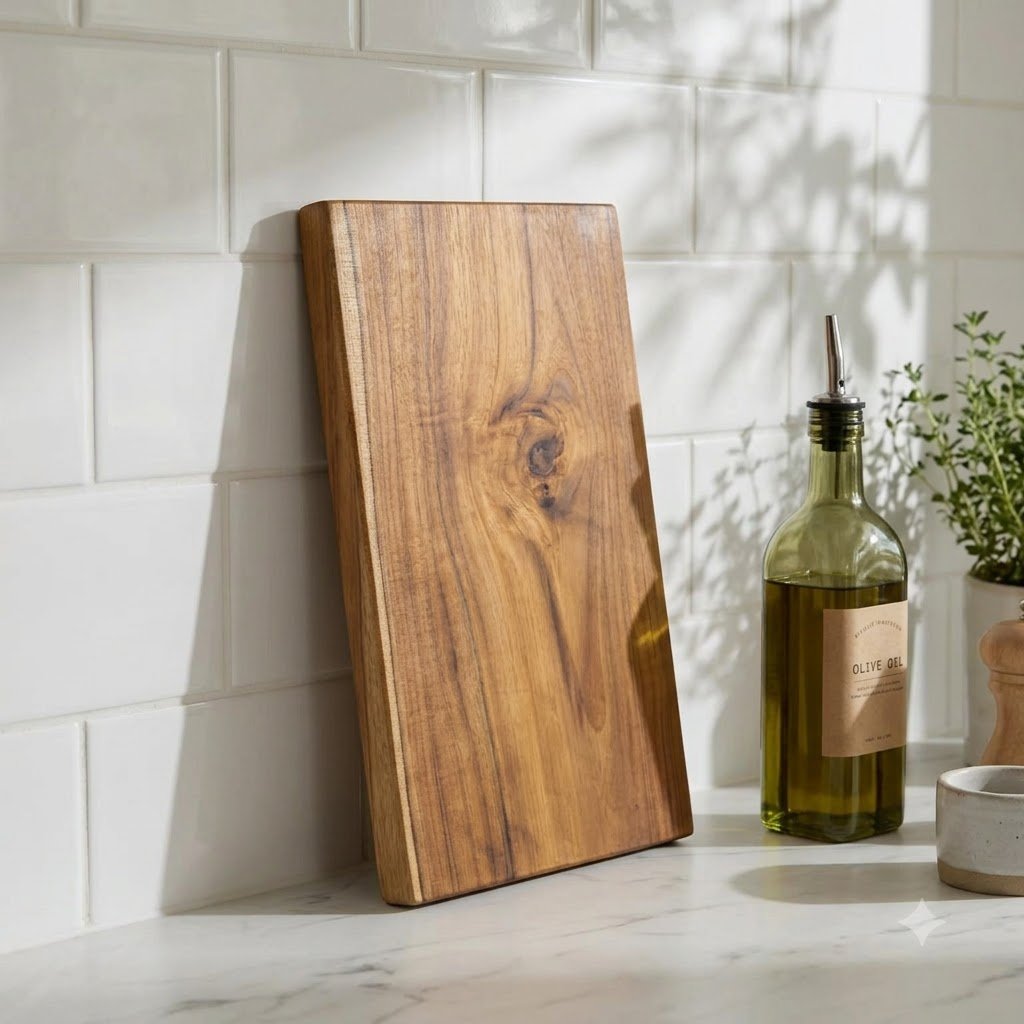
Wooden cutting boards are not just durable, hygienic, and beautiful, but they also have the advantage of keeping knives sharper for longer. Unlike plastic, glass, or steel boards, which are far from aesthetically pleasing, wooden boards are better looking and last long enough to make them a valuable addition to your kitchen.
Some of the key features that make wooden boards superior to glass, steel, and plastic boards include:
- Knife Friendliness: Wooden boards are easier on knives, keeping them sharper for longer and preventing rapid dulling of the edges.
- Naturally Antibacterial: Wooden boards, especially those made from the right wood like teak, mango, or neem, have natural antibacterial properties due to their rich oil content.
- Durability and Longevity: When well cared for, wooden boards can last decades. Teak wood boards are often known to last 20–30 years with proper care and annual refurbishing. Mango wood and neem can easily last 5–6 years while retaining their beauty throughout the years.
- Self-Healing Properties: Among all cutting board materials, wooden boards are the only ones that can heal themselves from cuts naturally. Even bamboo boards do not recover from cuts as easily and efficiently as wooden boards.
- Aesthetic Appeal: Wooden cutting boards, no matter their color or type, add elegance and warmth to your kitchen and home. You can confidently use them as a serving board for cheese, bread, and charcuterie.
- Eco-Friendly and Sustainable: Most wooden products are sustainable. Mango wood, teak, and acacia are all renewable resources that are ethically sourced, making them more eco-friendly compared to plastic, glass, and steel.
Why Choose a Wooden Cutting Board?
Wooden chopping boards offer many benefits—they are durable, antibacterial, and more. While steel and glass chopping boards are also antibacterial and more durable than wood, what makes wooden vegetable chopping boards stand out?
Here are four distinct features that make wooden chopping boards the first choice for professional chefs:
- Gentle on Knives: A good wooden chopping board, especially one constructed with an edge grain design, is easier on knives than plastic, steel, or glass boards. For those who use expensive knives, this feature alone is more important than many others.
- Naturally Antibacterial: Woods like teak, neem, and mango are highly antibacterial. Their natural oil content, combined with their self-healing properties, reduces the risk of contamination in food.
- Aesthetic Appeal: Wooden chopping boards are naturally more desirable than most other boards. While plastic, steel, and glass boards have their own appeal and followers, wooden chopping boards—no matter the type of wood—add a distinct charm to kitchens and homes.
- Self-Healing Surface: Wood is naturally self-healing. With an end grain design, the board can endure years of cuts and scratches yet look like new due to its self-healing features. Wooden boards also trap bacteria effectively, reducing contamination risks.
Types of Wooden Cutting Boards
The construction of a cutting board plays a crucial part in the functionality of a wooden chopping board. Three most common constructions include end grain, edge grain, and face grain. the type of wooden cutting board affects the price, construction and durability
End Grain Cutting Boards – Best for Knives
End grain cutting boards are made by arranging small blocks with the vertical end of the wood facing up. While the design creates a checkered board-style pattern, the grains are hidden with the ends of the wood facing up. This makes it gentle on knives, self-healing, and very durable. Mostly used by professional chefs and serious home cooks, end grain chopping boards take more time to create and are often priced 3–4 times more than edge grain boards of the same size and material.
Edge Grain Cutting Boards – Best for Everyday Use
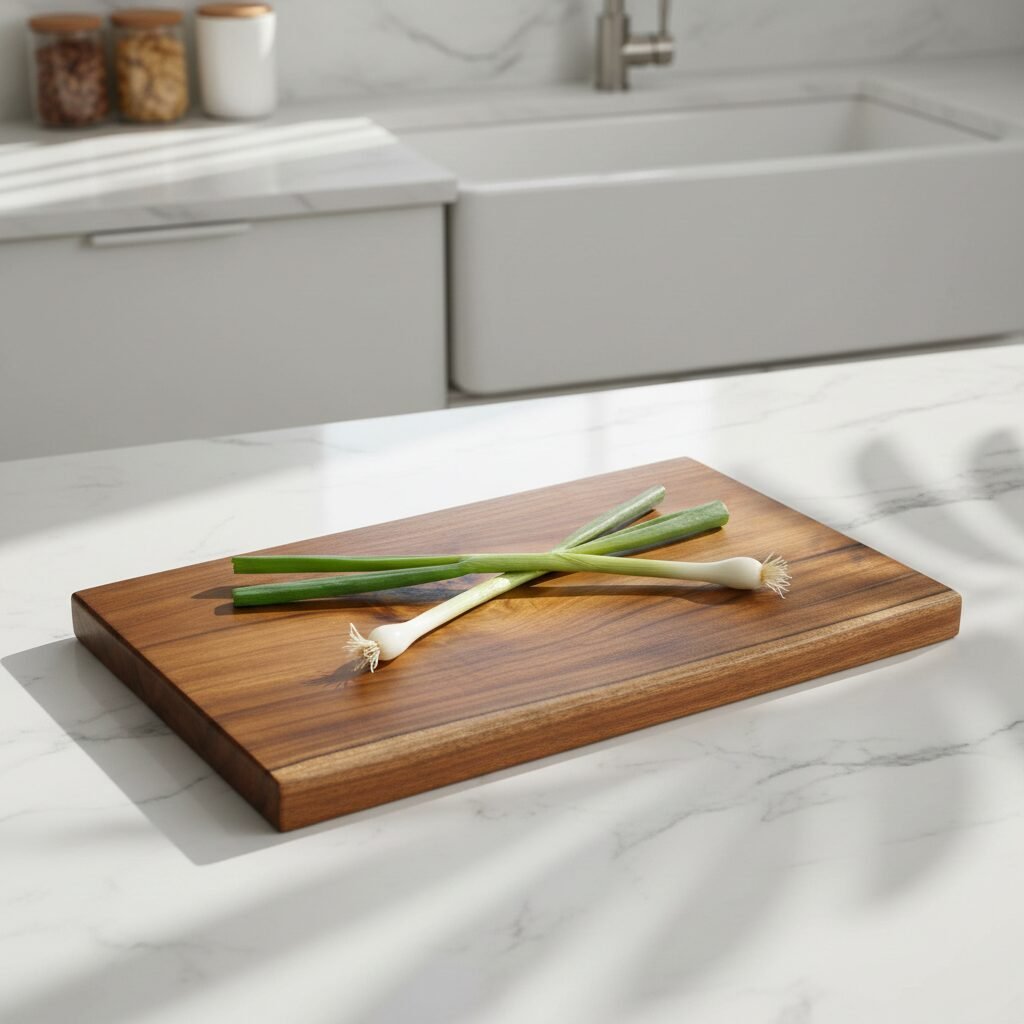
The edge grain cutting boards are the most common cutting boards. They are durable, affordable, and easy on the knives but slightly harder compared to end grain boards. The construction of the board involves aligning long wooden planks side by side, creating a straight grain pattern. Being very affordable, edge grain boards are the ones that are commonly available in stores.
Face Grain Cutting Boards
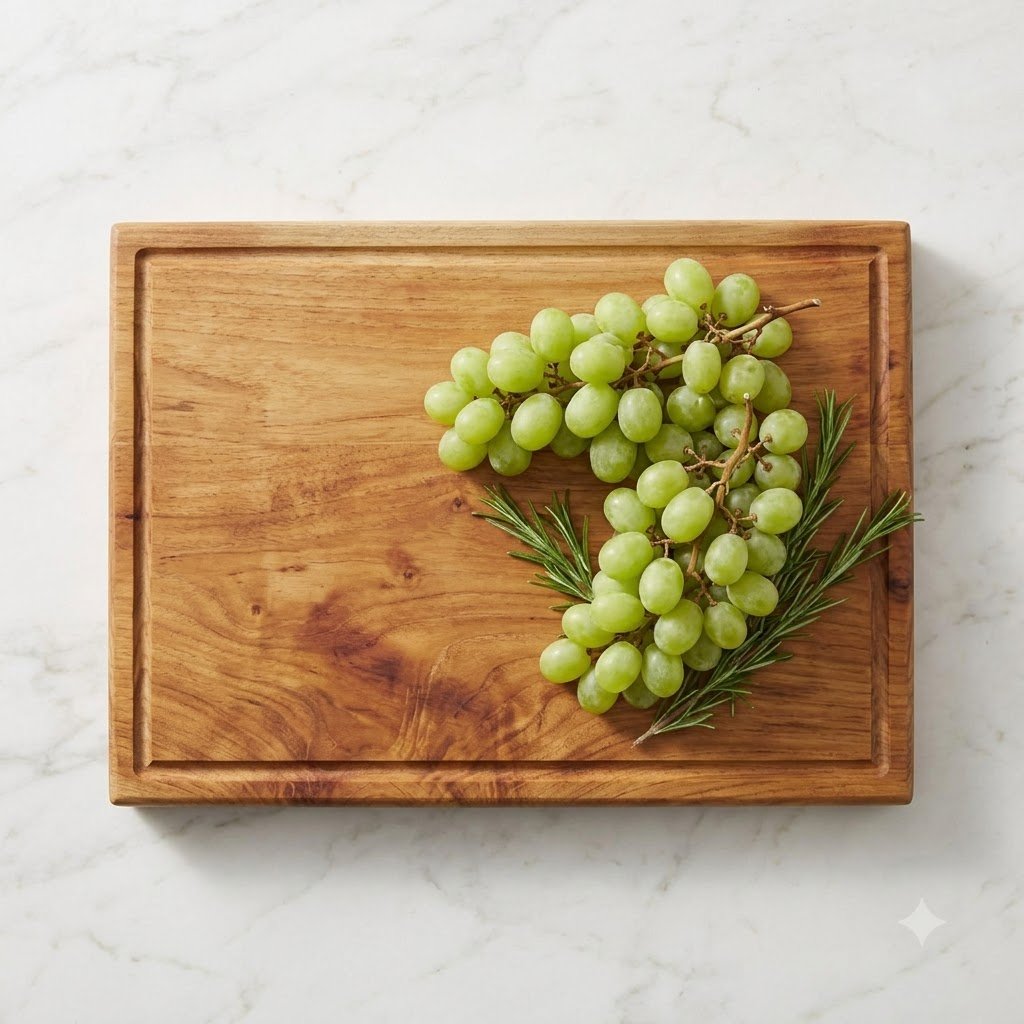
Face grain boards are made from wide flat planks of wood displaying the natural grain patterns. They are budget-friendly boards and have a smooth decorative surface. They are prone to knife marks and are known to be less durable. They make a perfect serving board or charcuterie board to serve cheese, meat, bread, and presentations.
Best Woods for Cutting Boards
The wood you use impacts the quality of your chopping board. While some woods are easier to obtain, cheap, and readily available, some are expensive. Each wood has its own set of features, and their uses are determined by their efficiency. hardwood chopping boards like teak and tamarind are naturally hard on knife edges while softwood like mango ae more knife friendly. understanding the type of wood used for chopping boards is just as important as choosing the type of construction of a wooden cutting board.
a. Acacia – Affordable, durable, slightly harder on knives
Acacia is a hardwood that is highly durable and budget-friendly. Being a tree cultivated for its wood, it is a sustainable source and grows in dry areas. The quality of the wood is relatively hard on knives. It is more rigid than walnut or mango but softer than plastic and glass.
b. Teak – Water-resistant, long-lasting, rich golden-brown color
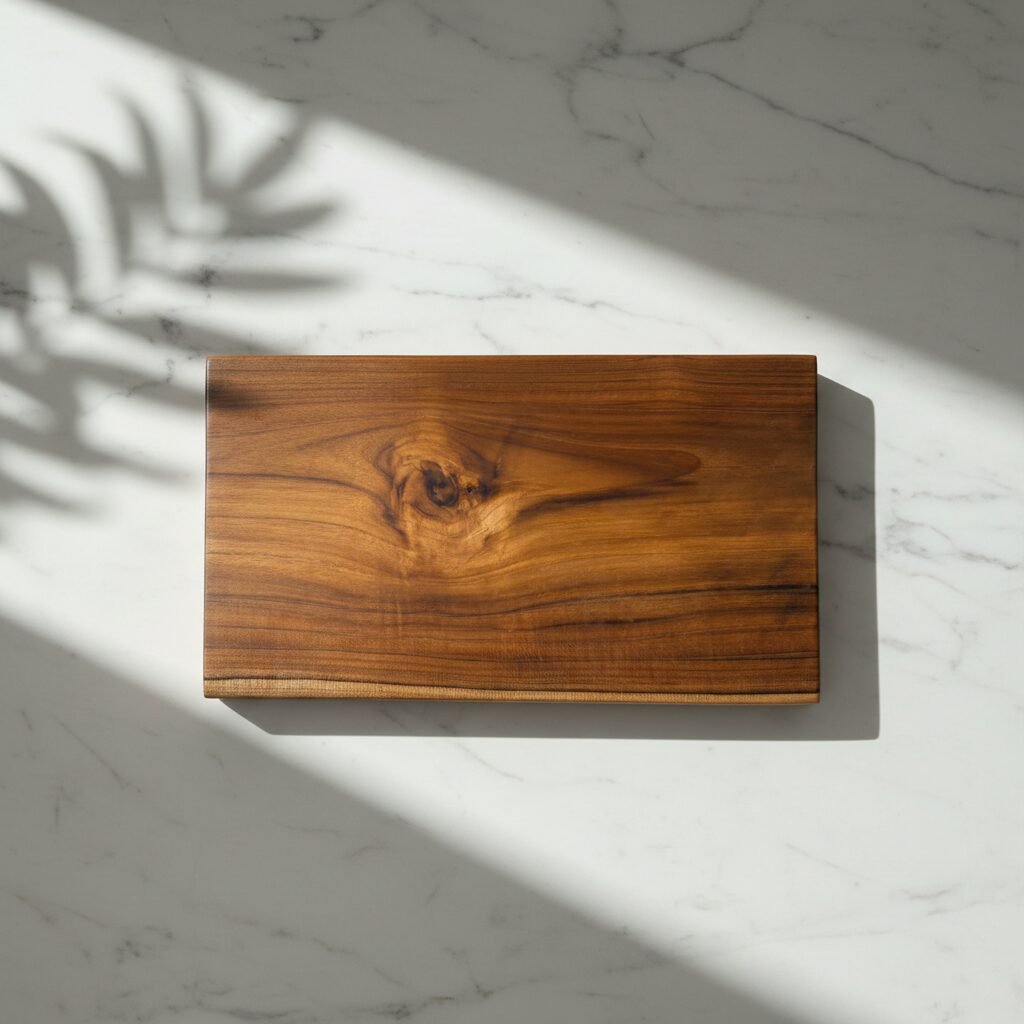
While a teak wood chopping board is more expensive, it is naturally resistant to water and durable. It is softer on knives compared to acacia. Though teak wood is known to be harder than acacia, its effect on knives is soft. Depending on the composition of silica in the wood, it can sometimes be hard on knives. It is expensive and considered premium. The rich brown color adds an elegant touch to your kitchen.
c. Mango – Sustainable, lightweight, soft on knives
Mango wood is sustainable, easier to find, and extremely soft on knives. The mango wood chopping board is the best when you require maintaining your knife’s sharpness. Better than teak and acacia, mango wood is known to be easy to handle, lightweight, and eco-friendly. Mango wood is the preferred cutting boards for chopping vegetables.
There are a range of wood that is used for chopping boards. from tamarind, mango, neem , Teak, walnut , maple and a lot more. the types of wood for chopping boards, though exhaustive, is usually limited when you consider preference by region.
5. How to Care for Your Wooden Cutting Board
All wooden cutting boards require proper care and maintenance. Be sure to only use mild soap and warm water to clean your boards. Treat your boards with coconut oil, mineral oil, or beeswax to ensure that the oil content of the board is balanced. Remove stains with natural techniques like a salt and lemon scrub. Do not use harsh chemicals to clean your board. Oiling your board regularly ensures it lasts long without cracking and drying out. Do not leave it in direct sunlight or in water for too long.
If you stick to the basic care guides, your cutting boards will last for years, maintaining their beauty and aging gracefully.
Tip: Use both sides of the cutting board—one side for meat and fish and the other for vegetables and bread. This way, you will avoid cross-contamination and won’t have to invest in two different boards.
Related Topics
Is Teak Wood Safe for Food Use – Facts and Myths on Teak Wood Utensils
When sourced properly and maintained, teak wood is a food-safe material for specific kitchenware. With its high natural oil content, teak wood provides antimicrobial properties and inhibits bacterial growth. This makes teak wood a hygienic choice over plastic. It is scientifically proven to be food-safe and, traditionally used since ages, teak wood is one of…
Reasons Why Wooden Chopping Boards Are Better Than Plastic
Plastic has been the preferred choice for chopping vegetables and meat in the past decade. Many users have had complaints about plastic chopping boards, yet they go back to plastic boards time and again. Understanding why wooden cutting boards are better than plastic chopping boards and where they excel will give you a clear perspective…
Essential Facts You Must Know Before Buying a Teak Wood Chopping Board
A teak wood chopping board will last decades. But it’s not about durability alone. Teak wood chopping boards are an investment and just like any other investment, you need to take care of your cutting board too. Regular maintenance, oiling and addressing issues related to the board’s wear and tear should be taken care of…
Best Uses of Teak Wood: Common and Unique Applications That Make It the King of Hardwoods
Teak wood is considered a valuable and versatile hardwood, prized for its durability and natural oil and water resistance apart from its beautiful grain patterns. Teak wood is considered a versatile wood which is used both in indoor and outdoor applications where strength, longevity and appearance matter. Apart from furniture, Teak wood has some of…
What to look for when purchasing a teak wood cutting board and how to identify teak wood
Most people are not experts in wood. They believe the wood they purchase is genuine, but this may not be the case. Even with genuine teak, the origin of the wood is important. Apart from the origin, the quality or the grade plays a major role in the life of a teak wood cutting board.…
Why Tamarind Wood Cutting Boards For Meat is Preferred Compared to Teak Chopping Boards
Teak is a tough wood and it is beautiful too. Then why is tamarind wood chopping boards preferred choice in commercial butcher shops compared to teak? Ever wondered why teak is not used for cutting meat in a commercial butcher shop? There are multiple reasons why butchers prefer tamarind wood and not teak, even though…
