
A good chopping board is an essential kitchen accessory for all homes. Top-rated wooden cutting boards can be expensive for most home users but have their own set of advantages. Teak wood from Kerala offers durability and extended life plus the added advantage of aesthetics to your kitchen. When it comes to money, you will be looking at a product with value compared to a product that is cheap. At Amra farms, we craft high-density teak wood chopping boards for home chefs that are not just beautiful and functional but are also reasonably priced and affordable. This article explains why Buying a teak wood chopping board is great for your homes, The best brand of teak wood chopping boards with features explained in detail.
Products by Category
Single Block Chopping Board 14×7×.75 Inch – Rectangular Teak Wood Edge Grain Cutting Board
Original price was: ₹1,199.00.₹899.00Current price is: ₹899.00.Small Premium Single Block Teak Wood Bar Chopping Board 14×8 x1 inch – Wooden Cutting Board
Original price was: ₹1,999.00.₹1,499.00Current price is: ₹1,499.00.XL Extra Large Single Block Teak Wood Meat Cutting Board 12×18×1 Inch – Wooden Chopping Board
Original price was: ₹4,299.00.₹3,299.00Current price is: ₹3,299.00.Neem Wood Chopping Board with Juice Groove 10×16×1 Inch – Wooden Cutting Board
Price range: ₹1,499.00 through ₹1,799.00Single Block Neem Wood Chopping Board with Hanging Hole 16x10x1 inch– Wooden Cutting Board
Price range: ₹1,499.00 through ₹1,799.00Medium Premium Single Block Tamarind Wood Chopping Board 10×16×1.5 Inch – PuliMutti Collection
Original price was: ₹2,199.00.₹1,699.00Current price is: ₹1,699.00.
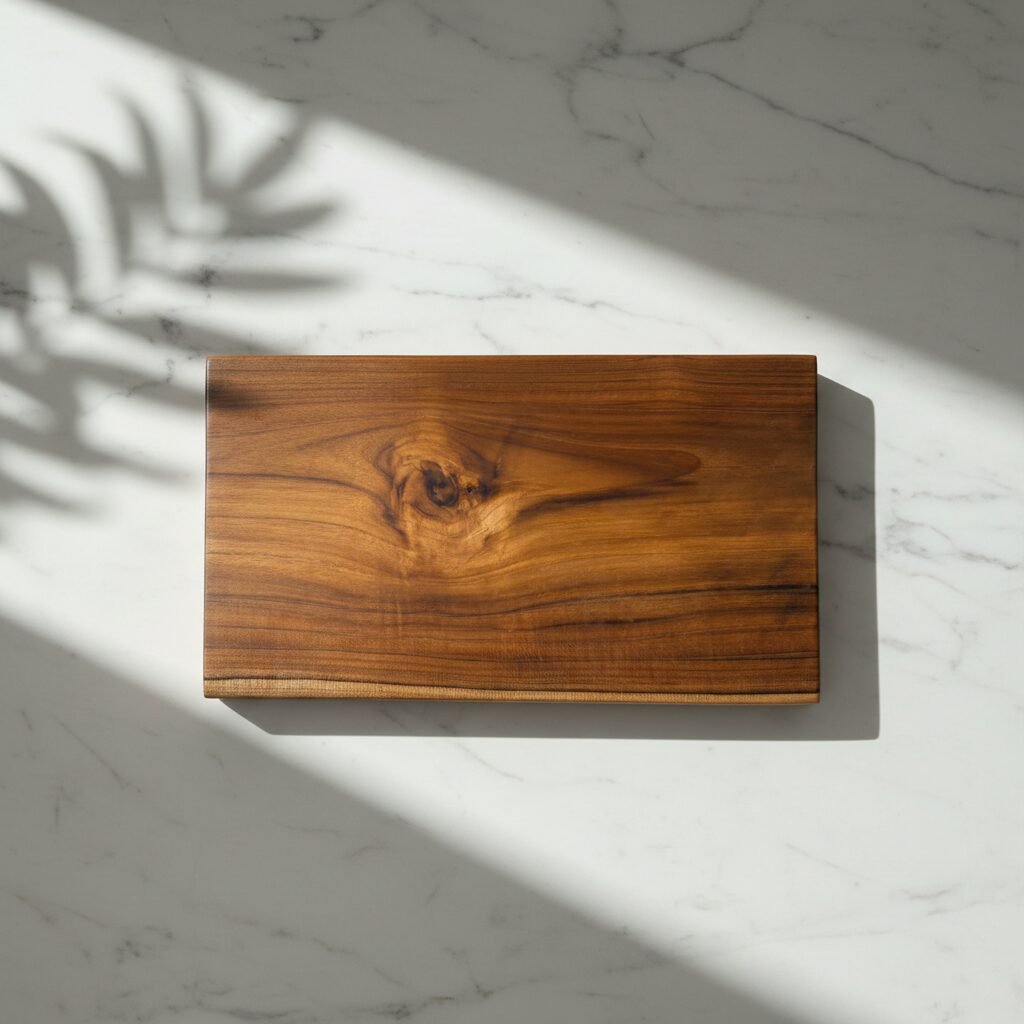
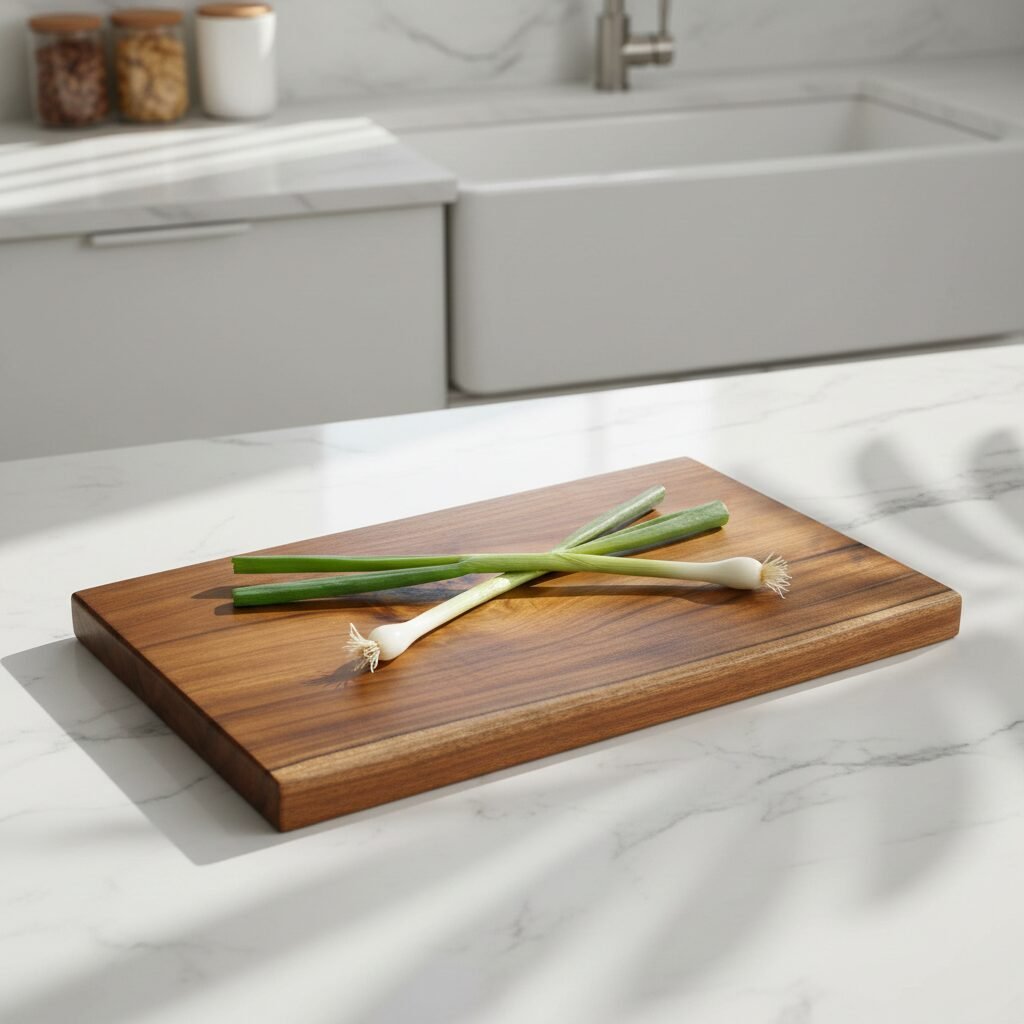
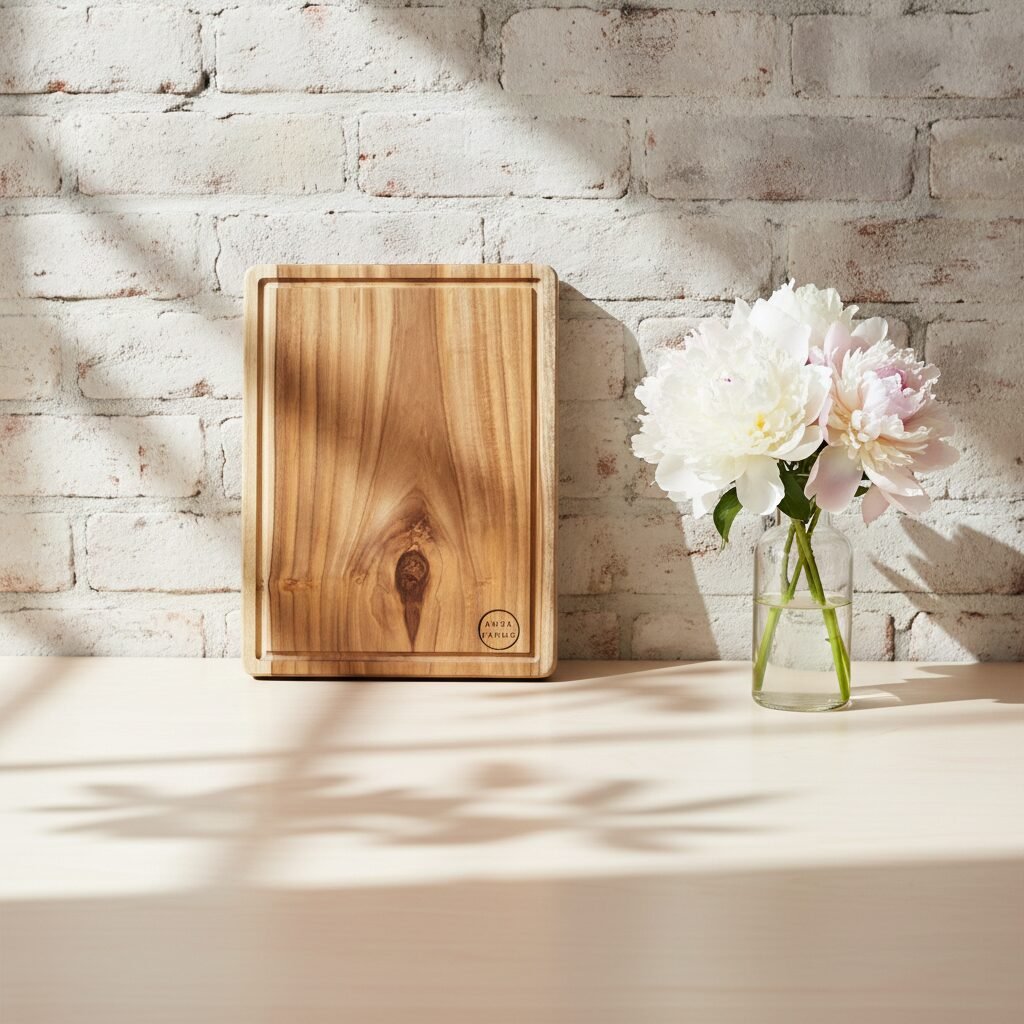
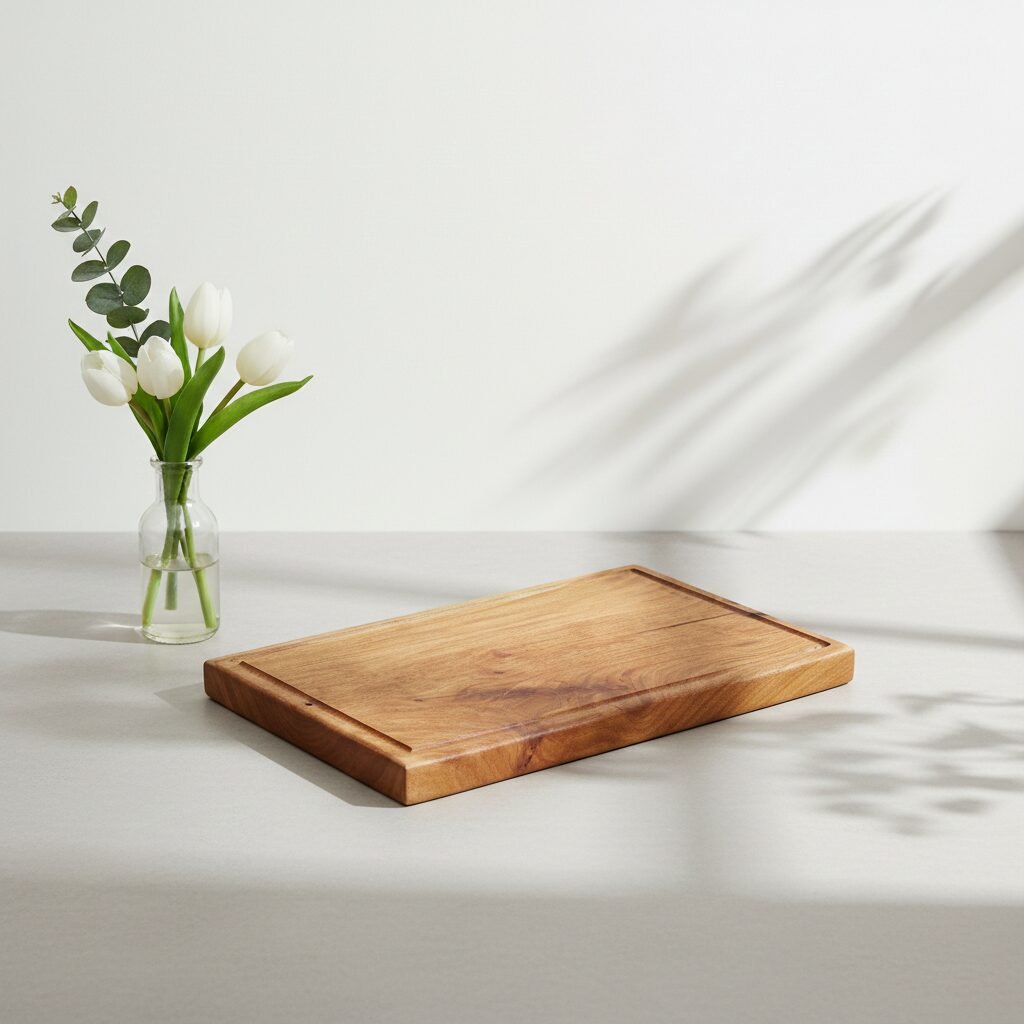
1. Naturally Resistant to Water & Moisture
Teak wood chopping boards are naturally resistant to water and moisture. Teak wood, with its natural oil content, prevents absorption of water naturally. With proper maintenance, care, and oiling at least once a week, the property of teak will remain so for a long period of time. With water resistance and resistance to moisture absorption, teak wood prevents mold and fungal growth, which is common in wooden chopping boards. This increases the life of the cutting board while maintaining food safety and hygiene.
Since teak wood is naturally resistant to water, it also has a lesser chance of bending, warping, and cracking over time. Warping usually happens when the wood is exposed to water and humidity, then rapidly dried. This is more common in woods like mango and acacia. With teak, your boards are prone to be in good shape for a longer period of time. Cutting vegetables (technically a fruit) like tomatoes or Fruits will bring more moisture in contact with your chopping board. Teak wood vegetable cutting boards are better than most other woods to cut vegetables which are juicy and rich in moisture content. Teak wood too is graded by location, oil content and by quality. The type of Teak wood plays a major role in quality of your chopping boards and its moisture resistance. The oil content of teak varies by the type. Burmese teak wood for instance is dense and has a higher oil content while Valsadi teak is less dense.
2. Exceptionally Durable & Long-Lasting
Teak wood is naturally heavy. Due to its dense nature, the wood is generally heavier than most other hardwoods in India, making it the best wood for heavy-duty chopping. They are scratch-resistant and perfect for heavy-duty butcher blocks. Professional-grade teak cutting boards often have little to no sapwood and are stronger, and impact-resistant for cutting meat and dense vegetables. Teakwood chopping board lifespan can extend anywhere from 5 years to 2 decades, depending on your board’s maintenance. The long-term benefits of teak wood cutting boards far outweigh those of other wooden cutting boards, making it a valuable commodity in your kitchen. Even with heavy daily use, a teak wood cutting board will withstand the test of time and last a decade if constructed well and maintained.
3. Gentle on Knife Blades
One of the best features of a teak wood cutting board is its ability to keep your knife’s sharp edges intact. Considered one of the best hardwoods for maintaining sharp knives, teak wood is better than bamboo and most other woods when it comes to ensuring your blades’ sharp edges and preventing dulling. Considered one of the best surfaces for daily knife use, it’s also the reason why professional chefs prefer teak cutting boards. Providing a balance of hardness and softness, teak wood ensures a durable yet gentle cutting surface for all kinds of food. Protecting your knives provides long-term benefits with a teak wood cutting board. With the right wooden board construction, especially with an end-grain design, you can expect both—a great blade for longer and a long-lasting teak wood chopping board.
4. Naturally Antibacterial Properties
The natural oils in teak wood help resist bacterial growth, making teak food-safe. The antibacterial properties of wooden chopping boards are a key factor that makes them stand out. Research indicates that teak wood cutting boards kill bacteria in less than 10 seconds when in contact, especially when trapped in the grooves due to knife marks, making teak wood far superior. The oil content of teak includes naphthotectone, antractectone, and juglone—active compounds that help prevent bacterial growth. Oils in teak wood have shown effectiveness against E. coli and Staph, stopping them right on track. The health benefits of teak wood chopping boards goes beyond its antibacterial properties too.
Teak is definitely a hygienic option compared to plastic and bamboo when it comes to hygiene. The active compounds in teak make it far superior to acacia, mango, and other woods.
5. Resistant to Stains & Odours
Teak wood is non-porous, odour-resistant, and stain-resistant. Teak wood is easy to clean for home kitchens and won’t retain the smell of foods. No matter what you are cutting, from fish to pastries or even smelly fruits like durian, teak wood will not absorb the food or its smell due to its non-porous nature. This is one of the reasons why professional chefs prefer teak for chopping boards for meat compared to plastic and bamboo. Though plastic is required in restaurants, chefs prefer teak wood chopping boards for their personal kitchens. Teak wood is also resistant to stains. With its high natural oil content, stains are often not a problem, even with foods that constantly let out some form of stain, like raw bananas.
6. Beautiful & Aesthetic Appeal
The colour and grains of teak wood vary over time. Aged teak wood, especially those that are aged naturally, will have a grey shade, while the ones that are not aged have a golden-yellow colour. Rated as one of the best-looking wooden cutting boards by chefs, teak wood tops as a premium-quality chopping board with a natural finish. They are stylish, high-end, and give a rustic look to your kitchen. Handmade wooden chopping boards for elegant kitchens are a must-have. Teak wood is known for its rich tones and unique patterns. For people who like to retain their rich golden-brown teak wood finish, it is recommended to treat your board with care and maintain it well.
7. Sustainable & Eco-Friendly Choice
Teak wood may be a prized commodity, but Indian teak wood, especially from Kerala, is sustainably sourced. As an eco-friendly option for environmentally conscious kitchenware choices, teak wood is a green alternative to plastic cutting boards. Sustainable, ethically sourced wooden chopping boards are eco-friendly compared to chemically treated boards like bamboo and plastic. Teakwood from renewable teak wood plantations often leaves a low carbon footprint and is the best alternative to chemically treated chopping boards.
8. Low Maintenance & Easy to Clean
Teak wood is one of the few low-maintenance materials used for cutting boards. Easy to clean, teak wood cutting boards have a simple cleaning routine. Seasoning your cutting board with cooking oil and ensuring your board is well cleaned after each use while preventing your board from staying in water too long may seem like a lot, but it’s relatively simple compared to the maintenance of other boards. Plastic will wear out after a few months, and cleaning a plastic board may be easy with a dishwasher, but even then, you will see stains. With a teak wood cutting board, maintenance is low, and cleaning is as easy as spending 10 minutes a week.
9. Resistant to Cracking & Splitting
Teak wood is far more durable than neem, acacia, mango, and sheesham wood. While most of these woods have some good features, teak wood is known to have them all. It is crack-resistant, durable, long-lasting, high-density, heavy-duty, and a premium-quality material for chopping boards. Sturdy and resilient in the kitchen, your teak wood chopping boards will outlast bamboo, plastic, and most other wooden materials by years and sometimes decades with proper care. Avoid exposure to direct sunlight, keep your chopping boards dry, and oil your boards once a week—that’s all you have to do to prevent the chopping board from splitting and cracking.
10. Preferred by Professional Chefs & Home Cooks
Is teak wood Safe for chopping boards? While restaurants use plastic boards in most countries due to requirements and safety standards, professional chefs in these restaurants opt for wooden chopping boards for their homes. Chefs will vouch for cutting boards made from wood for all the right reasons. Wooden chopping boards are aesthetically pleasing, safe, excellent for professional knives, and durable. Cutting boards used by Michelin-star kitchens include Boos Block cutting boards made of wood. Teak wood is the preferred board for Indians and is widely available in India. Teak haus is one of the few companies manufacturing teak wood chopping boards and has some of the best boards.
Conclusion
Teak wood is one of the most favored materials for cutting boards worldwide. It ticks all the features required for the best cutting boards, including food safety, scratch resistance, durability, and low maintenance. If there is but one drawback to teak wood cutting boards, it is the price. Teak wood cutting boards are known for their value and are not recommended for people who are looking for a cutting board on a budget. We also recommend that you read the complete teak wood guide to understand the benefits and drawbacks of teak wood.
Read More on the best uses of teak wood apart from chopping boards. Its unique Grains , strength and water resistance makes it one of the best wood for applications other than Chopping boards too. Amra farms teak wood chopping boards are considered one of the best boards in India offering State of the art boards that match international quality and standards.
Related Topics
Is Teak Wood Safe for Food Use – Facts and Myths on Teak Wood Utensils
When sourced properly and maintained, teak wood is a food-safe material for specific kitchenware. With its high natural oil content, teak wood provides antimicrobial properties and inhibits bacterial growth. This makes teak wood a hygienic choice over plastic. It is scientifically proven to be food-safe and, traditionally used since ages, teak wood is one of…
Reasons Why Wooden Chopping Boards Are Better Than Plastic
Plastic has been the preferred choice for chopping vegetables and meat in the past decade. Many users have had complaints about plastic chopping boards, yet they go back to plastic boards time and again. Understanding why wooden cutting boards are better than plastic chopping boards and where they excel will give you a clear perspective…
Essential Facts You Must Know Before Buying a Teak Wood Chopping Board
A teak wood chopping board will last decades. But it’s not about durability alone. Teak wood chopping boards are an investment and just like any other investment, you need to take care of your cutting board too. Regular maintenance, oiling and addressing issues related to the board’s wear and tear should be taken care of…
Best Uses of Teak Wood: Common and Unique Applications That Make It the King of Hardwoods
Teak wood is considered a valuable and versatile hardwood, prized for its durability and natural oil and water resistance apart from its beautiful grain patterns. Teak wood is considered a versatile wood which is used both in indoor and outdoor applications where strength, longevity and appearance matter. Apart from furniture, Teak wood has some of…
What to look for when purchasing a teak wood cutting board and how to identify teak wood
Most people are not experts in wood. They believe the wood they purchase is genuine, but this may not be the case. Even with genuine teak, the origin of the wood is important. Apart from the origin, the quality or the grade plays a major role in the life of a teak wood cutting board.…
Why Tamarind Wood Cutting Boards For Meat is Preferred Compared to Teak Chopping Boards
Teak is a tough wood and it is beautiful too. Then why is tamarind wood chopping boards preferred choice in commercial butcher shops compared to teak? Ever wondered why teak is not used for cutting meat in a commercial butcher shop? There are multiple reasons why butchers prefer tamarind wood and not teak, even though…
